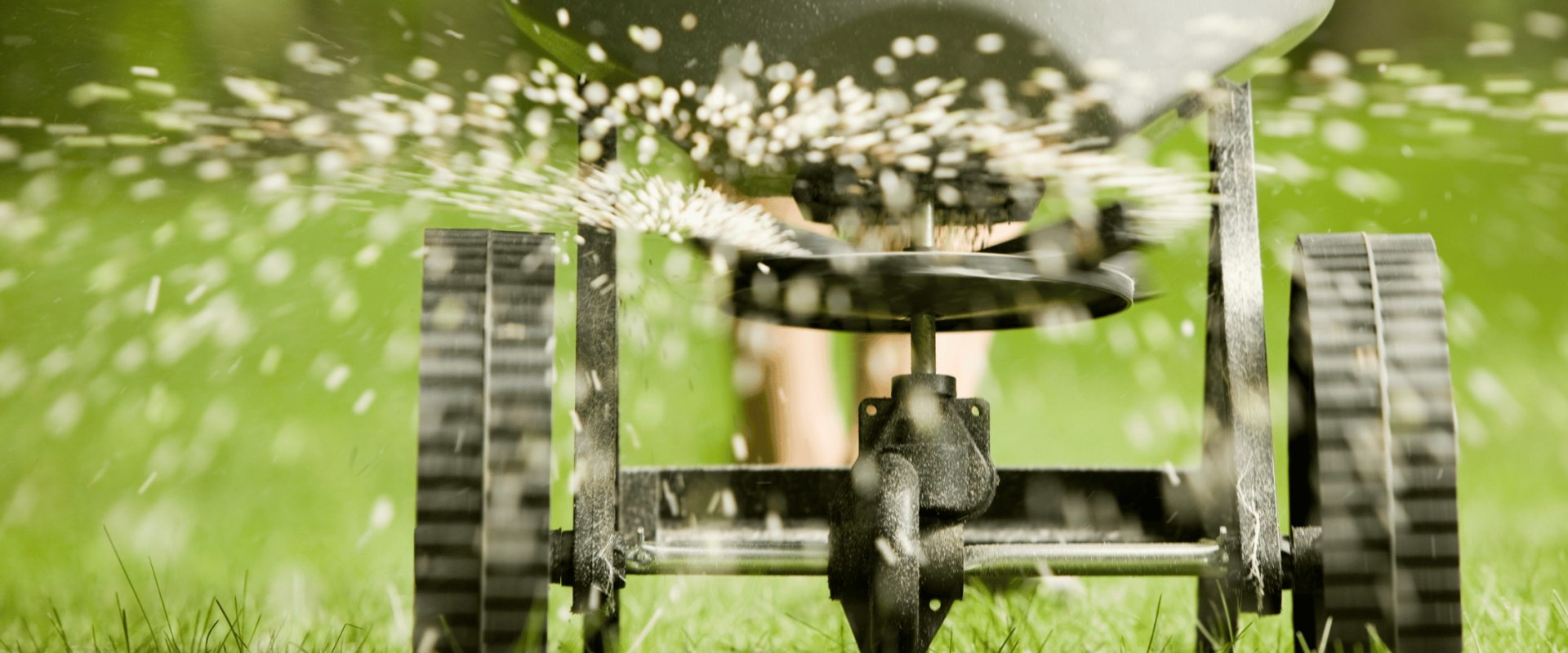
Lawn fertilization is a crucial aspect of maintaining a vibrant and healthy lawn. It involves the application of nutrients to the soil to promote grass growth, enhance color, and improve overall resilience against pests and diseases. Understanding the fundamentals of lawn fertilization is essential for any homeowner looking to achieve a lush, green yard that can withstand the challenges of varying weather conditions. The benefits of lawn fertilization extend beyond mere aesthetics. A well-fertilized lawn can improve soil structure, increase water retention, and promote deeper root systems.
This not only leads to a more robust lawn but also reduces the need for excessive watering and maintenance. Additionally, regular fertilization can help prevent weed growth by creating a dense turf that outcompetes unwanted plants for resources. When it comes to types of fertilizers, there are several options available, including synthetic and organic varieties. Synthetic fertilizers are often fast-acting and provide immediate nutrient availability, while organic fertilizers release nutrients more slowly and improve soil health over time. Understanding these differences is key to developing an effective fertilization schedule tailored to your lawn's specific needs. In the following sections, we will delve deeper into how to create a personalized fertilization schedule that aligns with your lawn's growth cycle, ensuring it receives the right nutrients at the right time for optimal health.
Assessing Your Lawn's Needs
Creating an effective lawn fertilization schedule begins with a thorough assessment of your lawn's specific needs.This involves understanding the health of your grass, the condition of your soil, and the types of grass you have.
How to Assess Lawn Health
Start by examining your lawn for signs of distress. Look for uneven growth, discoloration, or bare patches. Healthy grass should be vibrant and resilient. If you notice areas that are struggling, it may indicate a nutrient deficiency or other underlying issues.Soil Testing
A crucial step in assessing your lawn's needs is conducting a soil test.This test will provide valuable information about the pH level and nutrient content of your soil. You can purchase a soil testing kit from a garden center or send a sample to a local extension service. The results will help you determine what nutrients are lacking and how to amend your soil effectively.
Understanding Grass Types
Different types of grass have varying nutrient requirements and growth patterns. Identify the grass type in your lawn—common varieties include Kentucky bluegrass, fescue, and Bermuda grass.Each type has its own optimal fertilization schedule based on its growth cycle and climate preferences. For instance, cool-season grasses thrive in early spring and fall, while warm-season grasses are best fertilized in late spring and summer.By assessing your lawn's health through visual inspection, conducting soil tests, and understanding the specific grass types present, you can create a tailored fertilization schedule that meets the unique needs of your lawn. This proactive approach will lead to a healthier, more vibrant lawn that can withstand environmental stresses.
Choosing the Right Fertilizer
When it comes to lawn fertilization, choosing the right fertilizer is crucial for achieving a lush, green lawn. There are two primary types of fertilizers: organic and synthetic.Types of Lawn Fertilizers
- Organic Fertilizers: These are derived from natural sources such as compost, manure, or bone meal.
They improve soil health over time and provide a slow release of nutrients, which can lead to sustainable growth.
- Synthetic Fertilizers: Manufactured through chemical processes, these fertilizers often contain concentrated nutrients that can provide quick results. However, they may lead to nutrient runoff and can harm beneficial soil organisms if used excessively.
NPK Ratio
The NPK ratio is another critical factor in selecting the right fertilizer. This ratio represents the percentage of three essential nutrients: Nitrogen (N), Phosphorus (P), and Potassium (K). Each nutrient plays a vital role in lawn health:- Nitrogen (N): Promotes lush, green growth and is essential for leaf development.
- Phosphorus (P): Supports root development and flowering, making it crucial for establishing new lawns.
- Potassium (K): Enhances overall plant health, improves drought resistance, and helps with disease resistance.
For example, a higher nitrogen content is ideal for established lawns needing vigorous growth, while a balanced ratio may be better for new sod or overseeding.In summary, understanding the types of fertilizers available and the significance of the NPK ratio will empower you to make informed decisions about your lawn fertilization schedule, ensuring your lawn remains healthy and vibrant throughout the growing season.
Creating Your Fertilization Schedule
Creating a personalized fertilization schedule for your lawn is essential for promoting healthy growth and vibrant color. Here’s a step-by-step guide to help you establish an effective schedule based on seasonal changes and your lawn's specific needs.- Assess Your Lawn Type: Different grass types have varying nutrient requirements. Identify whether you have cool-season or warm-season grass, as this will influence your fertilization timing.
- Understand Seasonal Needs: Generally, cool-season grasses benefit from fertilization in early spring and fall, while warm-season grasses thrive with applications in late spring and summer. Tailor your schedule accordingly.
- Choose the Right Fertilizer: Select a fertilizer that matches your lawn's nutrient needs.
Look for a balanced N-P-K ratio (Nitrogen-Phosphorus-Potassium) suitable for your grass type.
- Timing is Key: Apply fertilizer when the grass is actively growing. For cool-season grasses, aim for early spring (April) and fall (September). For warm-season grasses, fertilize in late spring (May) and summer (June).
- Frequency of Application: Typically, lawns require fertilization 2-4 times a year, depending on growth patterns and soil health. Follow the recommended guidelines on your fertilizer package for specific frequency.
- Monitor Weather Conditions: Avoid fertilizing before heavy rain, which can wash away nutrients.
Ideally, apply fertilizer when the soil is moist but not saturated.
Applying Fertilizer Effectively
Applying fertilizer effectively is crucial for achieving a lush, green lawn. To ensure that your lawn fertilization efforts yield the best results, follow these best practices:- Choose the Right Time: The timing of your fertilizer application can significantly impact its effectiveness. Early spring and fall are generally the best times for fertilizing cool-season grasses, while late spring to early summer is ideal for warm-season grasses.
- Use the Right Tools: Investing in the right tools can make a big difference in how evenly you apply fertilizer.
A broadcast spreader is recommended for larger areas, as it distributes granules uniformly. For smaller lawns, a handheld spreader or even a spray applicator can be effective.
- Follow the Instructions: Always read and follow the manufacturer’s instructions on the fertilizer package. This includes understanding the recommended application rate and any specific guidelines for your grass type.
- Avoid Overlapping: When applying fertilizer, make sure to overlap slightly with each pass to avoid streaks but avoid excessive overlap that can lead to over-fertilization in certain areas.
- Water After Application: Watering your lawn after applying fertilizer helps to activate the nutrients and ensures they penetrate the soil. Aim to water lightly within 24 hours of application.
Common Mistakes to Avoid in Lawn Fertilization
When it comes to lawn fertilization, avoiding common mistakes can significantly enhance the health and appearance of your lawn.Here are some pitfalls to watch out for:
- Over-fertilizing: One of the most frequent errors is applying too much fertilizer. This can lead to a condition known as "fertilizer burn," where the grass becomes discolored and may even die. Additionally, excess nutrients can wash away into local waterways, causing environmental harm.
- Under-fertilizing: On the flip side, not applying enough fertilizer can stunt your lawn's growth. Grass may appear thin and weak, making it more susceptible to pests and diseases.
It's essential to find a balance that meets your lawn's specific needs.
- Ignoring soil tests: Many homeowners skip soil testing, which is crucial for understanding nutrient levels and pH balance. Without this information, you may apply the wrong type or amount of fertilizer, leading to ineffective results.
- Fertilizing at the wrong time: Timing is everything in lawn fertilization. Applying fertilizer during extreme temperatures or when the grass is dormant can hinder its effectiveness. Aim for early spring or fall when grass is actively growing.
- Not watering after fertilization: Failing to water your lawn after applying fertilizer can prevent nutrients from penetrating the soil.
Watering helps dissolve the fertilizer and allows it to reach the roots where it's needed most.
FAQs About Lawn Fertilization Schedules
When it comes to lawn fertilization, many homeowners have questions about the best practices to ensure a healthy and vibrant lawn. Here are some frequently asked questions that can help guide your fertilization schedule.How often should I fertilize my lawn?
The frequency of lawn fertilization largely depends on the type of grass you have and the specific needs of your lawn. Generally, it is recommended to fertilize your lawn:- Cool-season grasses: 2 to 4 times a year, typically in early spring and fall.
- Warm-season grasses: 2 to 3 times a year, usually in late spring and summer.
What time of year is best for lawn fertilization?
The timing of lawn fertilization is crucial for maximizing growth and health.Here’s a breakdown:
- Spring: For cool-season grasses, apply fertilizer in early spring when the grass begins to grow actively.
- Summer: Warm-season grasses benefit from fertilization in late spring or early summer when temperatures rise.
- Fall: A second round of fertilization for cool-season grasses in early fall helps prepare them for winter.
Conclusion: Achieving a Lush Lawn Through Proper Fertilization Scheduling
In conclusion, creating a successful lawn fertilization schedule is essential for achieving a vibrant and healthy lawn. By understanding the specific needs of your grass type, soil conditions, and local climate, you can tailor your fertilization approach to maximize growth and resilience. Throughout this article, we have discussed the importance of:- Timing: Applying fertilizers at the right time of year ensures that your lawn receives nutrients when it can utilize them most effectively.
- Type of Fertilizer: Choosing between slow-release and quick-release fertilizers can significantly impact the health of your lawn.
- Soil Testing: Regular soil tests help you understand nutrient deficiencies and pH levels, allowing for more precise fertilization.
- Watering Practices: Proper watering after fertilization helps nutrients penetrate the soil and reach the roots.