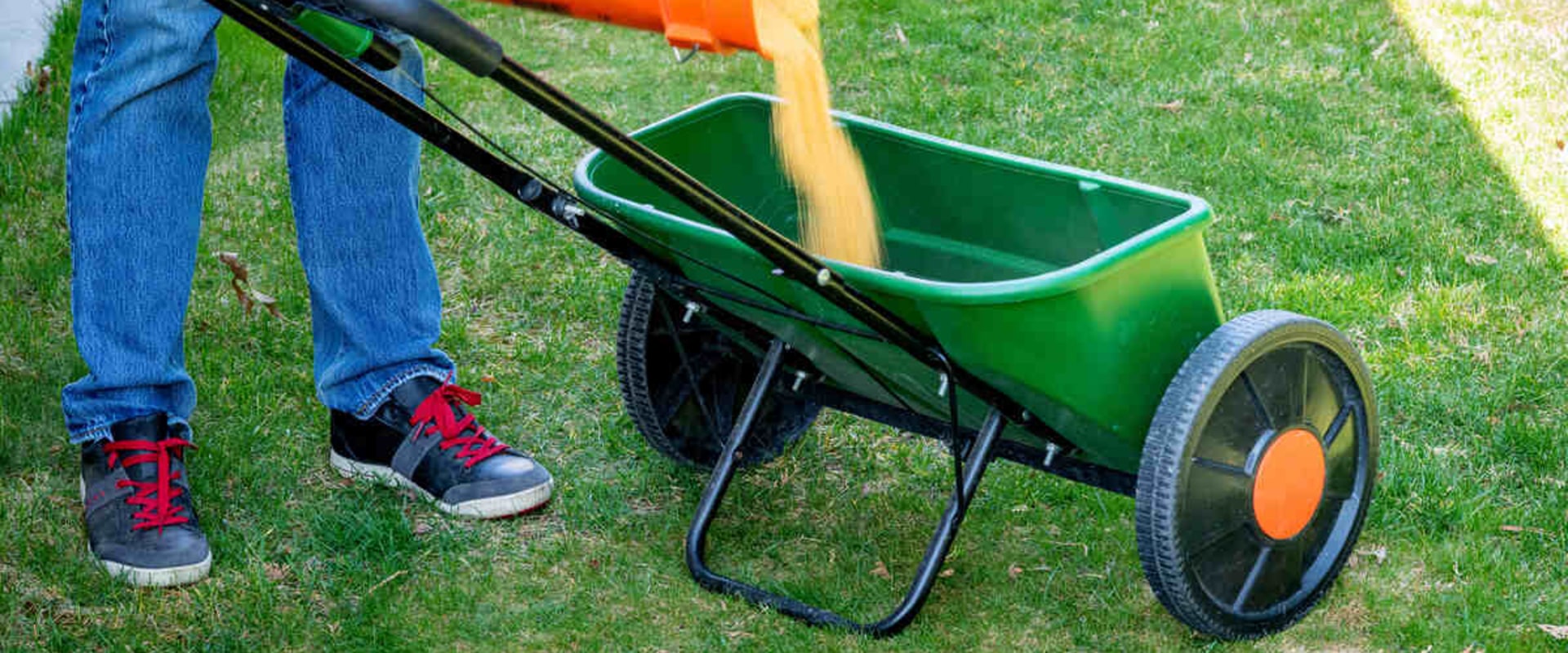
Lawn fertilization is a crucial aspect of maintaining a healthy and vibrant lawn. Understanding the basics of lawn fertilization is essential for homeowners who want to achieve a lush, green yard. Fertilizers provide the necessary nutrients that grass needs to grow strong and resist diseases, pests, and environmental stressors. Without proper fertilization, lawns can become weak, patchy, and susceptible to various issues that can detract from their overall appearance. The importance of lawn fertilization cannot be overstated.
It not only enhances the aesthetic appeal of your outdoor space but also contributes to the overall health of the ecosystem. A well-fertilized lawn can improve soil structure, promote biodiversity, and even help in water retention. By understanding how lawn fertilization works, you can make informed decisions about the types of fertilizers to use, the timing of applications, and the specific needs of your grass type. In essence, effective lawn fertilization involves more than just spreading granules on the ground; it requires knowledge of nutrient ratios, soil conditions, and seasonal changes. As we delve deeper into this topic, we will explore common mistakes that many homeowners make when fertilizing their lawns.
By avoiding these pitfalls, you can ensure that your lawn remains healthy and thriving throughout the year.
Mistake #1: Over-Fertilizing Your Lawn
One of the most common mistakes homeowners make during lawn fertilization is over-fertilizing. While it may seem logical that more fertilizer equals a greener lawn, the reality is that applying too much can lead to a host of problems.Effects of Too Much Fertilizer
- Burned Grass: Excessive fertilizer can cause the grass blades to burn, leading to brown patches and an unhealthy appearance.
- Root Damage: Over-fertilization can harm the root system, making it difficult for the grass to absorb water and nutrients effectively.
- Pest Attraction: A lawn overloaded with nutrients can attract pests and diseases, which thrive in such conditions.
- Environmental Impact: Runoff from over-fertilized lawns can contaminate local waterways, leading to algal blooms and harming aquatic life.
Signs of Over-Fertilization
- Discoloration: Look for yellowing or browning grass, especially at the tips.
- Excessive Growth: If your lawn is growing too quickly and requires frequent mowing, it may be a sign of too much fertilizer.
- Weed Proliferation: An over-fertilized lawn can become a breeding ground for weeds, which compete with your grass for resources.
Mistake #2: Ignoring Soil Testing
One of the most significant mistakes homeowners make when it comes to lawn fertilization is neglecting to conduct a soil test.Understanding the composition and nutrient levels of your soil is crucial for effective fertilization. Without this knowledge, you risk applying the wrong type or amount of fertilizer, which can lead to poor lawn health and wasted resources.
Why Soil Testing is Important
- Identifies Nutrient Deficiencies: A soil test reveals essential nutrients that may be lacking in your lawn, such as nitrogen, phosphorus, and potassium.
- Prevents Over-Fertilization: Applying too much fertilizer can harm your lawn and the environment. Soil testing helps you apply only what is necessary.
- Improves Soil pH: The pH level of your soil affects nutrient availability. A soil test can guide you in adjusting pH levels for optimal growth.
How to Test Soil for Fertilizer Needs
- Collect Soil Samples: Use a clean tool to gather samples from various spots in your lawn, about 3-4 inches deep.
Aim for 10-15 samples to get an accurate representation.
- Mix and Prepare: Combine the samples in a clean container and remove any debris. Allow the soil to dry before sending it for analysis.
- Send for Testing: Choose a reputable soil testing lab. They will analyze your sample and provide a detailed report on nutrient levels and recommendations.
Mistake #3: Fertilizing at the Wrong Time
Timing is crucial when it comes to lawn fertilization. Applying fertilizer at the wrong time can lead to poor grass health, increased weed growth, and wasted resources.Understanding the best times to fertilize based on your grass type and local climate is essential for achieving a lush, green lawn.
Best Time to Fertilize Based on Grass Type
- Cool-Season Grasses: These grasses, such as Kentucky bluegrass and fescue, thrive in the northern regions. The ideal times for fertilization are early spring (April) and fall (September to October). Fertilizing during these periods helps the grass recover from winter stress and prepares it for the upcoming cold months.
- Warm-Season Grasses: Varieties like Bermuda and zoysia flourish in southern climates. The best time to fertilize these grasses is late spring (May) through summer (July).
Fertilizing too early can lead to nutrient runoff and ineffective absorption, while late applications may not provide enough time for the grass to utilize the nutrients before dormancy.
Consequences of Improper Timing
Applying fertilizer at the wrong time can have several negative effects:- Burning the Grass: Fertilizing during extreme heat can cause fertilizer burn, leading to brown patches and dead grass.
- Weed Proliferation: Fertilizing at inappropriate times can encourage weed growth, as many weeds thrive in nutrient-rich environments.
- Nutrient Leaching: If you fertilize before heavy rains, nutrients can wash away before your grass has a chance to absorb them, resulting in wasted effort and money.
Mistake #4: Using the Wrong Type of Fertilizer
When it comes to lawn fertilization, one of the most critical mistakes homeowners make is using the wrong type of fertilizer. Understanding the different types of fertilizers available can significantly impact the health and appearance of your lawn.Types of Lawn Fertilizers
- Synthetic Fertilizers: These are chemically manufactured and often provide a quick nutrient boost. They are typically high in nitrogen, phosphorus, and potassium (N-P-K), which are essential for grass growth.
However, they can lead to nutrient runoff and may harm beneficial soil organisms if overused.
- Organic Fertilizers: Derived from natural sources such as compost, manure, or bone meal, organic fertilizers release nutrients slowly over time. They improve soil structure and promote microbial activity, making them a sustainable choice for long-term lawn health.
- Slow-Release Fertilizers: These fertilizers gradually release nutrients over an extended period, reducing the risk of leaching and providing a steady supply of nutrients to your lawn.
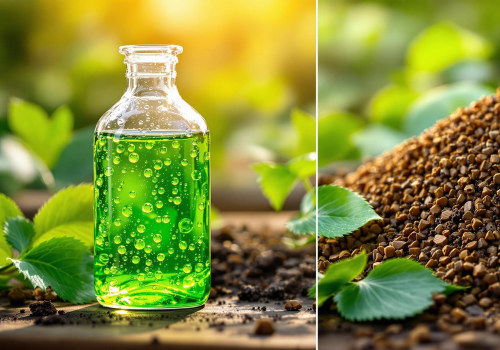
- Liquid Fertilizers: Often used for quick absorption, liquid fertilizers can be applied directly to the grass or mixed with water. They are ideal for addressing specific nutrient deficiencies but require more frequent applications.
Choosing the Right Fertilizer
To select the appropriate fertilizer for your lawn, consider the following factors:- Soil Test: Conducting a soil test will help you understand the nutrient levels and pH of your soil, guiding you in choosing a fertilizer that meets your lawn's specific needs.
- Lawn Type: Different grass types have varying nutrient requirements. For instance, cool-season grasses may need different ratios of N-P-K compared to warm-season grasses.
- Seasonal Needs: Fertilization needs change with the seasons.
Spring is typically a time for high-nitrogen fertilizers to promote growth, while fall may require a balanced approach to prepare the lawn for winter.
Mistake #5: Neglecting Proper Application Techniques
When it comes to lawn fertilization, the application technique can significantly impact the effectiveness of the fertilizer. Neglecting proper application methods can lead to uneven growth, nutrient burn, or even damage to your lawn.Here are some common mistakes to avoid:
- Skipping Calibration: Many homeowners fail to calibrate their spreaders before use. This can result in applying too much or too little fertilizer. Always check the manufacturer’s instructions for the correct settings based on the type of fertilizer and your lawn size.
- Inconsistent Application: Applying fertilizer in a haphazard manner can lead to patchy growth. To ensure even coverage, divide your lawn into sections and apply fertilizer in overlapping passes.
This technique helps avoid missed spots and ensures that every area receives adequate nutrients.
- Ignoring Weather Conditions: Fertilizing during windy or rainy conditions can cause the product to drift or wash away, leading to ineffective application. Aim for calm, dry days when applying fertilizer to maximize its effectiveness.
- Applying on Wet Grass: While it may seem beneficial to fertilize after a rain, applying fertilizer on wet grass can lead to clumping and uneven distribution. It’s best to wait until the grass is dry to ensure that the granules spread evenly.
- Not Watering After Application: Failing to water your lawn after fertilization can prevent nutrients from penetrating the soil. Lightly watering your lawn after application helps dissolve the fertilizer and allows it to reach the roots more effectively.
Remember, proper technique is just as important as choosing the right fertilizer for your specific grass type and soil conditions.
Mistake #6: Failing to Water After Fertilization
One of the most critical yet often overlooked steps in lawn fertilization is the act of watering after applying fertilizer. Many homeowners assume that once the fertilizer is spread, their job is done. However, failing to water can lead to suboptimal results and even damage to your lawn.Importance of Watering
- Activation of Nutrients: Watering helps dissolve the fertilizer granules, allowing nutrients to penetrate the soil and become available to grass roots.
- Prevention of Burn: Fertilizers, especially those high in nitrogen, can burn grass if left dry on the surface. Watering helps mitigate this risk.
- Even Distribution: Watering ensures that the fertilizer is evenly distributed throughout the lawn, preventing patchy growth and nutrient deficiencies.
How Much Water is Needed?
The amount of water required after fertilization can vary based on several factors, including the type of fertilizer used and current weather conditions.
However, a general guideline is to apply:
- 1 to 1.5 inches of water: This amount is typically sufficient to activate most granular fertilizers without causing runoff.
- Check Soil Moisture: Use a soil moisture gauge or simply dig a small hole to ensure that water has penetrated at least 6 inches deep.
Frequently Asked Questions About Lawn Fertilization Mistakes
When it comes to lawn fertilization, many homeowners have questions about common mistakes that can hinder their lawn's health. Here are some frequently asked questions that can help you troubleshoot and improve your fertilization practices.- What is the most common mistake in lawn fertilization?
One of the most prevalent mistakes is over-fertilizing.Applying too much fertilizer can lead to nutrient burn, which damages grass roots and can create an unhealthy lawn.
- How often should I fertilize my lawn?
Many people mistakenly fertilize too frequently. Generally, lawns benefit from fertilization 2 to 4 times a year, depending on the type of grass and local climate conditions. - Is it okay to fertilize during drought?
Fertilizing during a drought is a common error. Grass needs moisture to absorb nutrients effectively, so it's best to wait until your lawn has adequate water before applying fertilizer. - Can I use the same fertilizer for all types of grass?
Using a one-size-fits-all fertilizer can lead to imbalances. Different grass types have unique nutrient needs, so it's important to choose a fertilizer formulated for your specific grass type. - What should I do if I see brown spots after fertilizing?
Brown spots may indicate over-fertilization or uneven application.To remedy this, water the affected areas thoroughly and consider using a soil test kit to assess nutrient levels.
Conclusion: Key Takeaways for Successful Lawn Fertilization
In conclusion, successful lawn fertilization hinges on understanding and avoiding common pitfalls that can hinder your lawn's health. By being mindful of these mistakes, you can ensure that your lawn receives the nutrients it needs to thrive.Key Takeaways
- Timing is crucial: Fertilizing at the wrong time can lead to nutrient loss and ineffective growth. Always align your fertilization schedule with the specific needs of your grass type and local climate.
- Proper application: Over-fertilizing can burn your lawn, while under-fertilizing may not provide sufficient nutrients. Follow the recommended rates on fertilizer packages and consider using a spreader for even distribution.
- Soil testing: Neglecting to test your soil can result in applying unnecessary fertilizers or missing out on essential nutrients.
Regular soil tests help tailor your fertilization strategy to your lawn's specific needs.
- Watering practices: Failing to water after fertilization can lead to nutrient runoff and ineffective absorption. Ensure you water your lawn adequately after applying fertilizer to help nutrients penetrate the soil.
- Choosing the right fertilizer: Not all fertilizers are created equal. Select a product that matches your lawn's nutrient requirements, whether it's a slow-release formula or one high in nitrogen for quick greening.