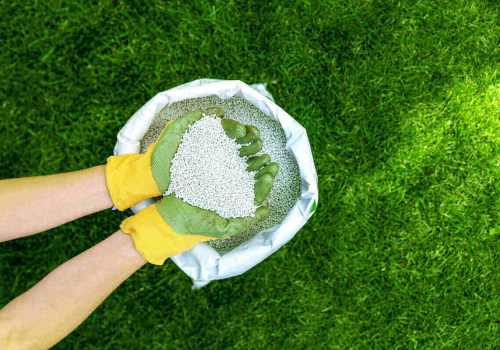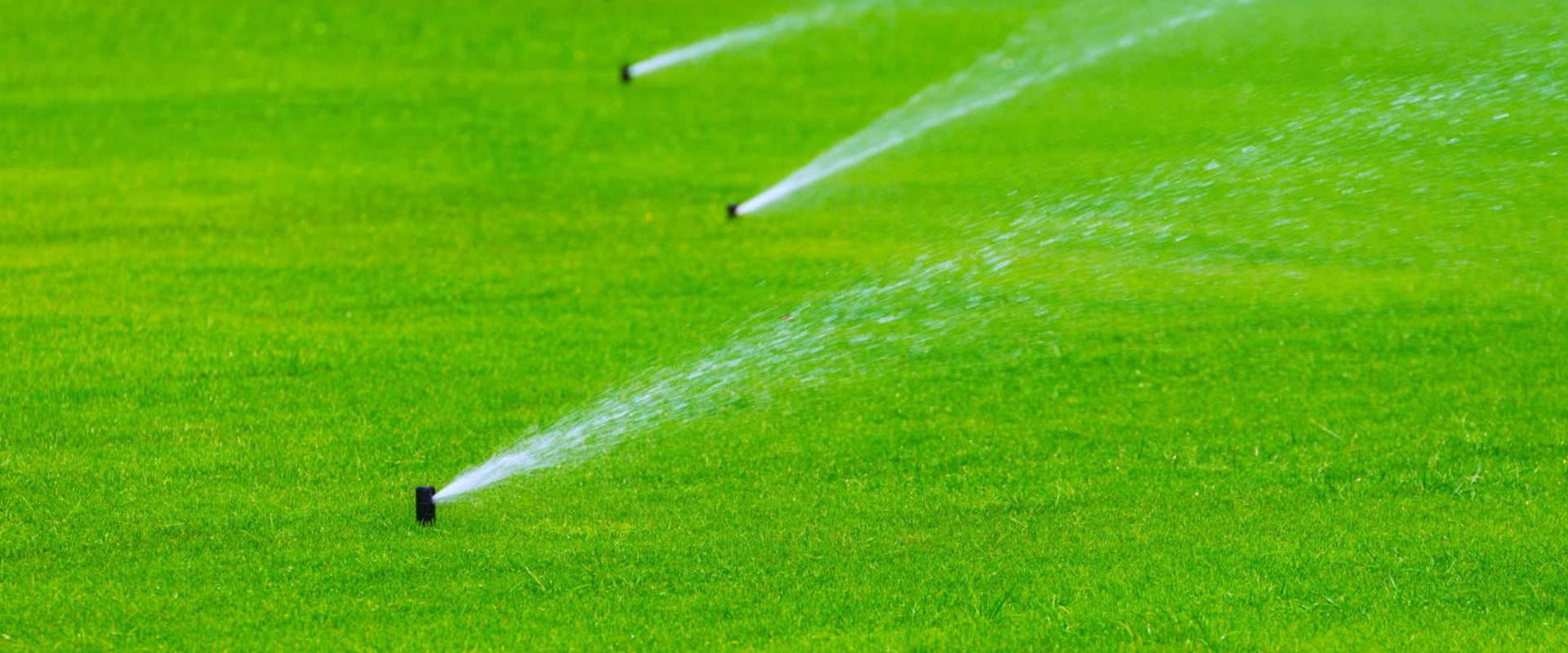
Lawn fertilization is a crucial aspect of maintaining a healthy and vibrant lawn. It involves the application of essential nutrients that promote growth, enhance color, and improve the overall resilience of grass. Understanding the importance of fertilization is the first step toward achieving a lush, green landscape that not only enhances your home's curb appeal but also provides a safe and enjoyable space for outdoor activities. There are various types of fertilizers available, each designed to meet specific needs based on soil conditions, grass types, and seasonal requirements. From granular to liquid forms, organic to synthetic options, the right choice can significantly impact your lawn's health.
For instance, organic fertilizers release nutrients slowly, improving soil structure and promoting beneficial microbial activity, while synthetic fertilizers provide quick nutrient availability for immediate results. The benefits of proper lawn fertilization extend beyond mere aesthetics. A well-fertilized lawn can better withstand drought, resist pests and diseases, and recover more quickly from wear and tear. By understanding how different fertilizers work and their respective advantages, homeowners can make informed decisions that lead to a thriving lawn. This foundational knowledge sets the stage for exploring whether mixing different types of fertilizers is advisable and how it can affect your lawn's health.
Types of Fertilizers: An Overview
When it comes to lawn fertilization, understanding the different types of fertilizers available is essential for achieving a lush, green lawn.Fertilizers can be broadly categorized into two main types: organic and synthetic.
- Organic Fertilizers: These are derived from natural sources such as plant or animal matter. Common examples include compost, manure, and bone meal. Organic fertilizers improve soil health over time, enhance microbial activity, and provide a slow release of nutrients. They are often favored for their environmental benefits and lower risk of chemical runoff.
- Synthetic Fertilizers: Manufactured through chemical processes, synthetic fertilizers are designed to deliver nutrients quickly to the lawn.
They typically contain higher concentrations of nitrogen, phosphorus, and potassium (N-P-K) compared to organic options. While they can produce rapid results, they may also lead to nutrient leaching and require careful application to avoid damaging the lawn.
- Slow-Release Fertilizers: These fertilizers gradually release nutrients over an extended period, which can range from several weeks to months. This slow release helps to minimize nutrient loss and provides a steady supply of nutrients to the grass. They are ideal for maintaining consistent growth and reducing the frequency of applications.
- Fast-Release Fertilizers: In contrast, fast-release fertilizers provide an immediate boost of nutrients, making them suitable for quick fixes or when the lawn shows signs of nutrient deficiency.
However, they require more frequent applications and can lead to nutrient runoff if not used judiciously.
Benefits of Mixing Different Fertilizers
Mixing different types of fertilizers can offer a range of benefits that significantly enhance your lawn's health and vitality. By combining fertilizers, you can create a more balanced nutrient profile that caters to the specific needs of your grass.Improved Nutrient Availability
One of the primary advantages of mixing fertilizers is the improved availability of essential nutrients. Different fertilizers contain varying ratios of nitrogen, phosphorus, and potassium (N-P-K), which are crucial for lawn growth.
For instance, a quick-release nitrogen fertilizer can provide an immediate boost, while a slow-release option ensures sustained feeding over time. By blending these types, you can achieve both immediate and long-term benefits.
Balanced Feeding
A well-rounded approach to lawn fertilization involves addressing the unique requirements of your grass type and soil conditions. Mixing fertilizers allows you to tailor the nutrient delivery to your lawn's specific needs. For example, if your soil is deficient in potassium, adding a potassium-rich fertilizer to your mix can help correct this imbalance, promoting stronger root development and overall resilience.
Enhanced Lawn Health
Combining fertilizers not only improves nutrient availability but also enhances the overall health of your lawn.
A diverse nutrient profile can lead to better disease resistance, improved drought tolerance, and increased vigor. This holistic approach ensures that your lawn is not just surviving but thriving.
- Cost-Effectiveness: Mixing fertilizers can also be more economical, allowing you to use smaller amounts of multiple products rather than relying on a single type.
- Environmental Benefits: By optimizing nutrient use through mixing, you can reduce runoff and minimize environmental impact.
- Customized Solutions: Every lawn is unique; mixing allows for customized solutions that cater specifically to your lawn's conditions.
Considerations Before Mixing Fertilizers
When considering mixing fertilizers for your lawn, there are several important factors to keep in mind to ensure the health and vitality of your grass. Understanding the compatibility of different fertilizers is crucial, as not all products work well together.Compatibility of Fertilizers
Before mixing, check the nutrient composition of each fertilizer.Some fertilizers contain high levels of nitrogen, phosphorus, or potassium, while others may include micronutrients. Mixing fertilizers with conflicting nutrient ratios can lead to nutrient lockout or even harm your lawn. For instance:
- Granular and liquid fertilizers: These can often be mixed, but ensure that the granular type dissolves completely to avoid uneven distribution.
- Organic vs. synthetic: While both can be beneficial, mixing them may lead to unpredictable results due to differing release rates.
- Different brands: Always read labels carefully; some brands may use proprietary ingredients that could react negatively when combined.
The Importance of Soil Testing
Another critical step before mixing fertilizers is conducting a soil test.This analysis provides valuable insights into the existing nutrient levels and pH balance of your soil. By understanding what your lawn currently needs, you can:
- Avoid over-fertilization: Adding unnecessary nutrients can lead to excessive growth and increased susceptibility to pests and diseases.
- Target specific deficiencies: If your soil test indicates a lack of a particular nutrient, you can choose fertilizers that specifically address those needs.
- Optimize fertilizer use: Knowing the right amounts and types of fertilizers to use will help you achieve a lush, green lawn without wasting resources.
How to Properly Mix Fertilizers for Your Lawn
Mixing different types of fertilizers can be an effective way to provide your lawn with a balanced nutrient profile. However, it’s essential to do so correctly to avoid damaging your grass or wasting resources.Here are some practical steps and techniques for mixing fertilizers effectively.
Understanding Fertilizer Types
Before you begin mixing, it’s crucial to understand the types of fertilizers you are working with. There are two main categories:- Granular Fertilizers: These are solid and can be mixed easily. They release nutrients slowly over time.
- Liquid Fertilizers: These are water-soluble and provide quick nutrient absorption but require careful handling when mixing.
Mixing Techniques
Here are some effective techniques for mixing fertilizers:- Dry Mixing: If you’re using granular fertilizers, combine them in a large bucket or wheelbarrow. Use a shovel or rake to ensure even distribution.
- Liquid Mixing: For liquid fertilizers, always follow the manufacturer’s instructions regarding dilution rates.
Use a clean container to mix the liquids thoroughly before application.
- Layering Method: If you prefer not to mix, you can layer different fertilizers in your spreader. Start with the slow-release granular fertilizer, followed by the quick-release liquid fertilizer.
Application Methods
Once your fertilizers are mixed, applying them correctly is vital for achieving optimal results:- Even Distribution: Use a broadcast spreader for granular mixes to ensure even coverage across your lawn.
- Avoid Clumping: When applying mixed fertilizers, ensure that they do not clump together, as this can lead to uneven nutrient distribution.
- Watering After Application: For liquid fertilizers, water your lawn lightly after application to help the nutrients penetrate the soil.
Common Mistakes to Avoid When Mixing Fertilizers
When it comes to lawn fertilization, mixing different types of fertilizers can be a double-edged sword. While it may seem like a good idea to combine products for a tailored nutrient blend, there are several common mistakes that can lead to disastrous results for your lawn.- Ignoring Product Labels: One of the most significant errors is neglecting to read the labels on fertilizer products.
Each fertilizer has specific nutrient ratios and application instructions. Mixing fertilizers without understanding their contents can lead to nutrient imbalances that harm your lawn.
- Overlapping Nutrients: Combining fertilizers that contain overlapping nutrients can result in excessive concentrations of certain elements, such as nitrogen or phosphorus. This can cause nutrient burn, leading to brown patches and unhealthy grass.
- Incompatible Ingredients: Some fertilizers contain ingredients that should not be mixed. For example, combining organic fertilizers with synthetic ones can create chemical reactions that reduce effectiveness or even produce harmful compounds.
Always check compatibility before mixing.
- Incorrect Ratios: Even if you choose compatible fertilizers, using incorrect ratios can lead to uneven distribution of nutrients. This can result in some areas of your lawn receiving too much fertilizer while others get too little, leading to patchy growth.
- Timing Issues: Applying mixed fertilizers at the wrong time can also be detrimental. For instance, some fertilizers are designed for spring application while others are better suited for fall. Mixing them without considering timing can hinder their effectiveness.
Consider consulting with a lawn care professional or local extension service for guidance tailored to your specific lawn needs. By following best practices and being mindful of these common mistakes, you can ensure a healthier, more vibrant lawn through effective fertilizer application.
FAQs About Mixing Fertilizers for Lawns
When it comes to lawn fertilization, many homeowners have questions about the best practices for mixing different types of fertilizers. Here are some frequently asked questions that can help clarify common concerns:- Can I mix organic and synthetic fertilizers?
Yes, you can mix organic and synthetic fertilizers. However, it's essential to understand the nutrient release rates and how they interact with each other.Organic fertilizers typically release nutrients slowly, while synthetic options provide immediate results. Mixing them can create a balanced approach, but be cautious about over-fertilizing.
- What happens if I mix different brands of fertilizer?
Mixing different brands is generally safe as long as the fertilizers contain compatible nutrients. However, check the N-P-K (Nitrogen-Phosphorus-Potassium) ratios to avoid nutrient imbalances that could harm your lawn. - Is it safe to combine liquid and granular fertilizers?
Combining liquid and granular fertilizers is possible, but it’s crucial to apply them correctly. Liquid fertilizers can be absorbed quickly, while granular types need time to dissolve in the soil.Ensure that the application methods do not conflict.
- How do I know if my fertilizer mix is effective?
Monitor your lawn's health after applying the mixed fertilizers. Look for signs of growth, color changes, and overall vigor. If your lawn appears lush and green, your mix is likely effective. - Should I test my soil before mixing fertilizers?
Absolutely! Conducting a soil test will provide valuable information about existing nutrient levels and pH balance. This data will help you make informed decisions about which fertilizers to mix for optimal lawn care.
Conclusion: Best Practices for Lawn Fertilization
In conclusion, understanding the nuances of lawn fertilization is crucial for achieving a lush, healthy lawn.While mixing different types of fertilizers can be beneficial in certain situations, it is essential to approach this practice with caution. Here are some best practices to keep in mind:
- Know Your Soil: Conduct a soil test to determine its nutrient composition and pH level. This will help you select the right fertilizers that complement each other.
- Choose Compatible Fertilizers: If you decide to mix fertilizers, ensure they have compatible nutrient profiles. For instance, combining a slow-release nitrogen fertilizer with a quick-release option can provide both immediate and sustained nourishment.
- Follow Application Guidelines: Always adhere to the recommended application rates for each fertilizer type.
Over-fertilizing can lead to nutrient runoff and damage your lawn.
- Monitor Lawn Health: After applying mixed fertilizers, keep an eye on your lawn's response. Look for signs of nutrient deficiency or excess, and adjust your fertilization strategy accordingly.