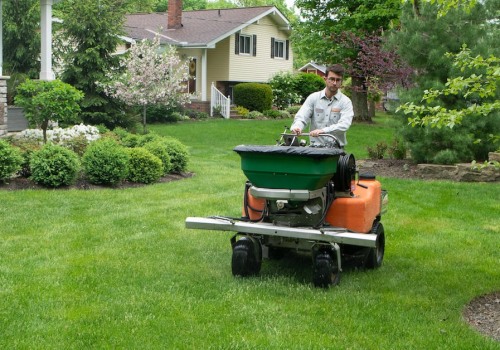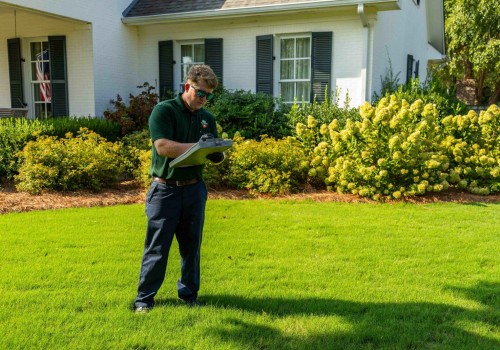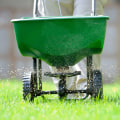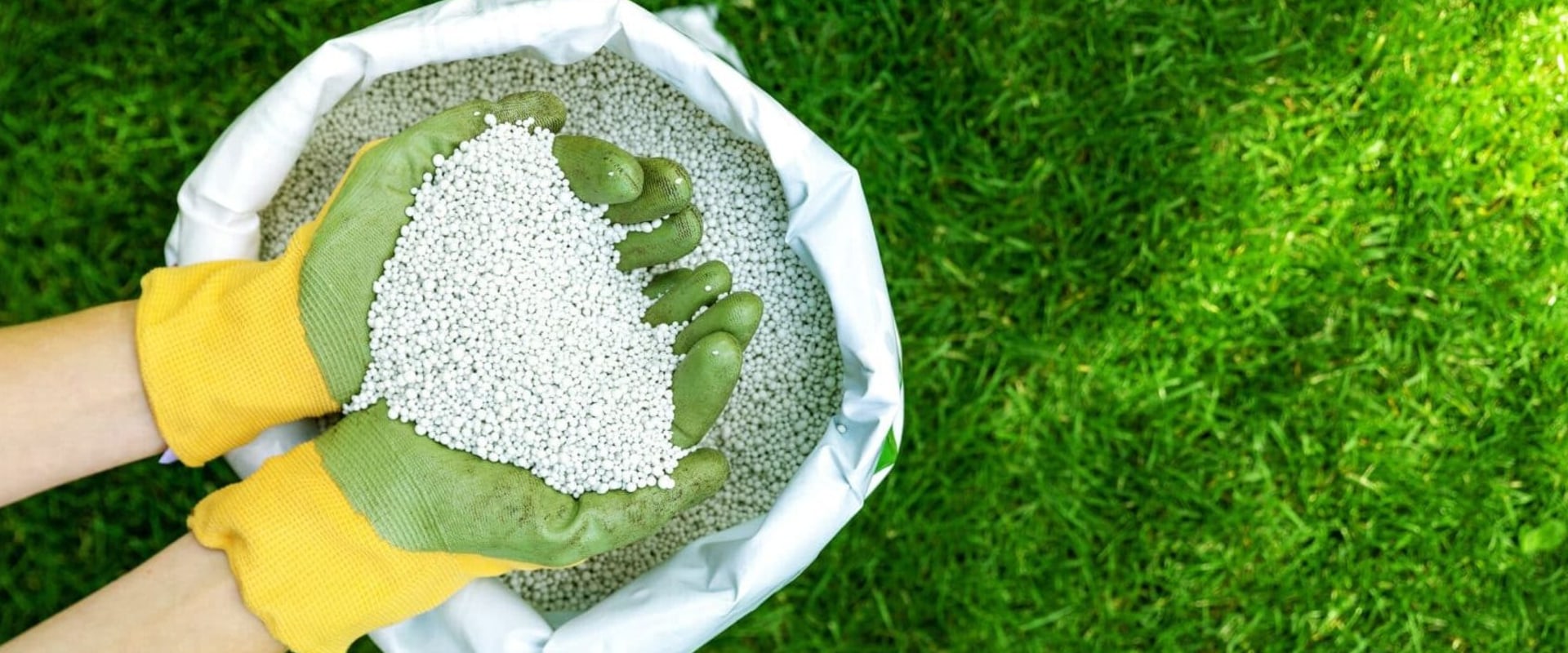
Lawn fertilization is a crucial aspect of maintaining a vibrant and healthy lawn. It involves the application of essential nutrients that promote robust grass growth, enhance color, and improve overall resilience against pests and diseases. Without proper fertilization, lawns can become weak, patchy, and susceptible to environmental stressors. Understanding the importance of lawn care is vital for homeowners who wish to create an inviting outdoor space that not only looks good but also contributes positively to the environment. The benefits of fertilization extend beyond aesthetics.
A well-fertilized lawn can improve soil health, increase biodiversity, and even reduce the need for chemical pesticides by fostering a more balanced ecosystem. Additionally, regular fertilization helps in water retention, making lawns more drought-resistant and sustainable in varying weather conditions. This is particularly important as climate change continues to impact weather patterns, leading to unpredictable rainfall and temperature fluctuations. As we delve deeper into the relationship between climate, weather, and lawn fertilization, it becomes clear that timing and frequency are not one-size-fits-all. Factors such as regional climate, seasonal changes, and even daily weather conditions play a significant role in determining when and how often to fertilize your lawn.
By understanding these influences, homeowners can optimize their fertilization strategies to ensure their lawns remain lush and healthy throughout the year.
How Climate Influences Lawn Fertilization
Understanding how climate influences lawn fertilization is crucial for maintaining a healthy lawn. Different climate zones present unique challenges and opportunities for lawn care, particularly when it comes to the timing and frequency of fertilization.Temperature Variations
- In warmer climates, such as the southern United States, grass types like Bermuda and Zoysia thrive. These grasses typically require fertilization in the spring and summer months when temperatures are consistently above 65°F. Fertilizing during this period promotes vigorous growth and helps the grass recover from heat stress.
- Conversely, in cooler climates, such as the northern regions, cool-season grasses like Kentucky bluegrass and fescue are prevalent.
These grasses benefit from fertilization in early spring and fall when temperatures are moderate, usually between 50°F and 70°F. This timing aligns with their natural growth cycles.
Seasonal Changes
- The transition between seasons also plays a significant role in determining when to fertilize. For instance, late summer to early fall is an ideal time for fertilizing cool-season grasses as they prepare for winter dormancy. A well-timed application can enhance root development and improve resilience against cold temperatures.
- In contrast, warm-season grasses should be fertilized in late spring to early summer, just as they begin their active growth phase.
This ensures that they have the necessary nutrients to thrive during the hotter months.
Humidity and Rainfall
Humidity levels and rainfall patterns also affect lawn fertilization. In regions with high humidity, there is a greater risk of fungal diseases, which can be exacerbated by over-fertilization. Therefore, it’s essential to monitor moisture levels and adjust fertilization schedules accordingly. In areas with low rainfall, more frequent applications may be necessary to compensate for nutrient leaching due to irrigation.In summary, understanding the interplay between climate, temperature variations, and seasonal changes is vital for effective lawn care.
By tailoring your fertilization schedule to your specific climate zone, you can ensure a lush, healthy lawn year-round.
The Role of Weather Patterns in Lawn Care
Understanding how weather patterns influence lawn care is crucial for effective lawn fertilization. Different weather conditions can significantly impact the timing and frequency of fertilizer application, ultimately affecting grass health and growth.Rainfall Effects on Fertilizer
Rainfall plays a pivotal role in the effectiveness of lawn fertilization. When fertilizer is applied, it needs moisture to dissolve and penetrate the soil. If heavy rain occurs shortly after application, it can wash away the fertilizer before it has a chance to be absorbed by the grass roots.Conversely, light rain can help activate the nutrients without causing runoff. Therefore, timing your fertilization just before a light rain can enhance nutrient uptake.
Humidity and Grass Health
Humidity levels also affect how well fertilizer works. High humidity can lead to increased moisture retention in the soil, which is beneficial for grass health. However, excessive humidity may promote fungal diseases, which can counteract the benefits of fertilization.It’s essential to monitor humidity levels and adjust your fertilization schedule accordingly. For instance, during periods of high humidity, consider using slow-release fertilizers that provide nutrients over time rather than all at once.
Drought Conditions
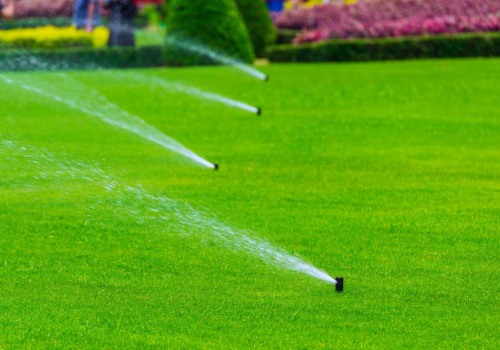
In contrast, drought conditions present a challenge for lawn fertilization. Applying fertilizer during dry spells can lead to nutrient lockout, where grass cannot absorb the nutrients due to lack of moisture. In such cases, it’s advisable to wait until adequate rainfall or irrigation is available before fertilizing.Additionally, watering your lawn after applying fertilizer is crucial to ensure that nutrients reach the root zone effectively.In summary, being aware of weather impacts on lawn care can help you optimize your fertilization practices. By considering factors like rainfall, humidity, and drought conditions, you can ensure that your lawn receives the nutrients it needs for healthy growth.
Best Practices for Lawn Fertilization Based on Climate and Weather
Understanding the impact of climate and weather on lawn fertilization is crucial for maintaining a healthy lawn. Here are some best practices to optimize your fertilization schedule:Timing for Fertilizing Grass
- Spring Fertilization: In cooler climates, apply fertilizer in early spring when soil temperatures reach around 55°F. This encourages growth as grass begins to wake from dormancy.
- Summer Fertilization: For warm-season grasses, late spring to early summer is ideal.
However, avoid fertilizing during extreme heat to prevent stress on the grass.
- Fall Fertilization: Late summer to early fall is the best time for cool-season grasses. This allows for root development before winter and prepares the lawn for spring growth.
Frequency of Lawn Care
The frequency of lawn fertilization should be adjusted based on local climate conditions:- Cool Climates: Fertilize every 6-8 weeks during the growing season, typically from April to October.
- Warm Climates: In warmer regions, a more frequent schedule of every 4-6 weeks may be necessary due to faster growth rates.
- Moisture Considerations: After heavy rainfall or irrigation, consider delaying fertilization to prevent runoff and ensure nutrients are absorbed effectively.
Common FAQs About Lawn Fertilization Timing and Frequency
Understanding the timing and frequency of lawn fertilization can be crucial for maintaining a healthy and vibrant lawn. Here are some common questions that homeowners often have:When is the best time to fertilize grass?
The optimal time for lawn fertilization largely depends on your local climate and the type of grass you have.Generally, cool-season grasses thrive with fertilization in early spring and fall, while warm-season grasses benefit from fertilization in late spring and summer. It's essential to consider soil temperature as well; for cool-season grasses, aim for soil temperatures between 50°F and 65°F, while warm-season grasses prefer temperatures above 65°F.
How often should I fertilize my lawn?
The frequency of lawn fertilization can vary based on several factors, including grass type, soil quality, and local weather conditions. As a general guideline:- Cool-season grasses: Fertilize 2 to 4 times a year, with applications in early spring and fall being the most critical.
- Warm-season grasses: Fertilize 2 to 3 times during the growing season, typically from late spring through summer.
What signs indicate my lawn needs fertilization?
Look for signs such as:- Pale or yellowing grass
- Thin or sparse patches
- Weed growth
Regular soil testing can also help determine nutrient deficiencies and guide your fertilization schedule.
Conclusion: Key Takeaways on Climate, Weather, and Lawn Fertilization
In summary, understanding the interplay between climate, weather, and lawn fertilization is crucial for achieving a healthy and vibrant lawn. The timing and frequency of fertilization are not one-size-fits-all; they must be tailored to the specific conditions of your region.Key Takeaways:- Seasonal Variations: Different seasons bring varying temperatures and precipitation levels, which directly influence grass growth and nutrient uptake. For instance, cool-season grasses thrive in early spring and fall, while warm-season grasses flourish in late spring and summer.
- Soil Temperature: The effectiveness of fertilizers is closely linked to soil temperature. Fertilization should coincide with optimal soil temperatures to maximize nutrient absorption by the grass roots.
- Moisture Levels: Adequate moisture is essential for the successful application of fertilizers.
Applying fertilizer during dry spells can lead to nutrient runoff and ineffective absorption, while wet conditions can enhance nutrient uptake.
- Local Climate Considerations: Regional climate patterns, such as humidity and rainfall frequency, should inform your fertilization schedule. For example, areas with high rainfall may require less frequent fertilization due to natural nutrient leaching.