Lawn fertilization is a crucial aspect of maintaining a healthy and vibrant lawn. It involves the application of nutrients that promote growth, enhance color, and improve the overall resilience of your grass. Understanding the importance of fertilizing your lawn is essential for any homeowner looking to achieve a lush, green outdoor space. Without proper fertilization, lawns can become weak, susceptible to pests, and prone to diseases. The benefits of fertilizing your lawn extend beyond mere aesthetics.
A well-fertilized lawn can improve soil health, increase drought resistance, and even reduce the need for herbicides and pesticides. By providing essential nutrients like nitrogen, phosphorus, and potassium, you can ensure that your grass has everything it needs to thrive throughout the growing season. This not only enhances the beauty of your yard but also contributes to a healthier ecosystem. When it comes to types of lawn fertilizer, there are several options available, each with its own advantages. Organic fertilizers, for instance, are derived from natural sources and can improve soil structure while providing slow-release nutrients.
On the other hand, synthetic fertilizers offer quick results and are often more concentrated. Understanding these differences will help you choose the right product for your specific lawn care needs. In summary, grasping the fundamentals of lawn fertilization is vital for anyone looking to cultivate a thriving lawn. By recognizing its benefits and familiarizing yourself with the various types of fertilizers available, you can make informed decisions that will lead to a healthier and more beautiful outdoor space.
When to Fertilize Your Lawn
Understanding when to fertilize your lawn is crucial for achieving a lush, green yard. The timing of your lawn fertilization efforts can significantly impact the health and growth of your grass.Here’s a breakdown of the best times to fertilize based on seasonal changes and grass growth cycles.
Spring Fertilization
As temperatures begin to rise in early spring, your lawn starts to wake up from its winter dormancy. This is typically the best time to apply a spring fertilizer, which should be rich in nitrogen to promote vigorous growth. Aim to fertilize when the grass begins to green up, usually around late March to early April, depending on your region.Summer Fertilization
During the hot summer months, your lawn may require additional nutrients to withstand heat stress. A light application of fertilizer in early summer can help maintain color and vigor.However, be cautious not to over-fertilize during this period, as it can lead to burning and increased water needs.
Fall Fertilization
Fall is often considered the most important time for lawn fertilization. As temperatures cool down, grass enters a growth phase that prepares it for winter. Applying a high-potassium fertilizer in late September to early October helps strengthen roots and improves cold tolerance. This application also sets the stage for a healthy lawn in the spring.Winter Considerations
While most lawns do not require fertilization during winter, it’s essential to prepare for the upcoming seasons.Conducting soil tests in winter can help you determine nutrient deficiencies and plan your fertilization schedule accordingly.In summary, adhering to a seasonal lawn fertilization schedule ensures that your grass receives the nutrients it needs at the right times. By understanding the growth cycles of your specific grass type and adjusting your fertilization practices accordingly, you can achieve a vibrant and healthy lawn year-round.
Choosing the Right Fertilizer for Your Lawn
Choosing the right fertilizer for your lawn is crucial for promoting healthy growth and maintaining vibrant color. The first step in this process is to understand your lawn type and soil conditions. Different grasses have varying nutrient needs, so identifying whether you have cool-season or warm-season grass will guide your selection.Organic vs Synthetic Fertilizer
- Organic fertilizers are derived from natural sources such as compost, manure, or bone meal.
They improve soil structure and promote beneficial microbial activity, making them a great choice for environmentally conscious homeowners.
- Synthetic fertilizers, on the other hand, are chemically manufactured and provide nutrients in a more concentrated form. They offer quick results and are often easier to apply, but they can lead to nutrient runoff if not used properly.
NPK Ratio
The NPK ratio on fertilizer bags indicates the percentage of nitrogen (N), phosphorus (P), and potassium (K) in the product. Each of these nutrients plays a vital role:
- Nitrogen promotes lush, green growth and is essential for leaf development.
- Phosphorus supports root development and flowering, making it crucial for establishing new lawns.
- Potassium enhances overall plant health and helps lawns withstand stress from drought or disease.
This informed approach will lead to a healthier, more resilient lawn.
How to Apply Fertilizer to Your Lawn
Applying fertilizer to your lawn is a crucial step in maintaining its health and vibrancy. Here’s a step-by-step guide to help you effectively apply fertilizer, whether you choose granular or liquid options.Step 1: Choose the Right Fertilizer
Before you begin, select a fertilizer that suits your lawn's specific needs. Look for a balanced formula with the right N-P-K ratio (Nitrogen, Phosphorus, Potassium) based on your soil test results.Step 2: Prepare Your Lawn
- Mow your lawn to a suitable height to ensure even coverage.
- Water your lawn lightly a day before applying fertilizer to prevent burning the grass.
- Clear any debris, such as leaves or sticks, from the lawn surface.
Step 3: Applying Granular Fertilizer
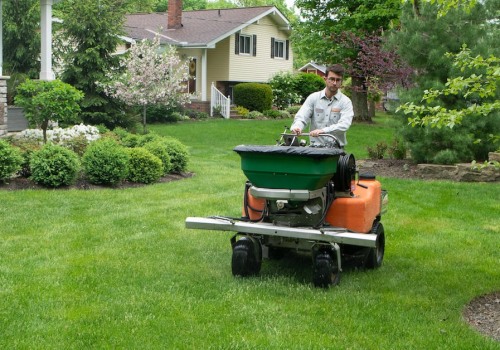
- Use a Spreader: A broadcast or drop spreader will help distribute the granules evenly. Adjust the settings according to the manufacturer's instructions.
- Application Technique: Walk in straight lines across your lawn, overlapping slightly with each pass to avoid missed spots.
- Water After Application: Water your lawn thoroughly after applying granular fertilizer to help it penetrate the soil.
Step 4: Applying Liquid Fertilizer
- Dilute as Needed: Follow the instructions on the label for proper dilution ratios.
- Use a Sprayer: A hose-end sprayer or backpack sprayer can be effective for applying liquid fertilizers.
- Even Coverage: Spray in a back-and-forth motion, ensuring even coverage across the entire lawn.
Avoid fertilizing before heavy rain, which can wash away nutrients, or during extreme heat, which can stress your grass.By following these steps and choosing the right techniques for both granular and liquid fertilizers, you can ensure that your lawn receives the nutrients it needs for optimal growth and health.
Common Mistakes in Lawn Fertilization
Lawn fertilization is essential for a lush, green yard, but many homeowners make common mistakes that can hinder their efforts. Understanding these pitfalls can help you achieve the best results for your lawn.- Over-fertilizing: One of the most frequent mistakes is applying too much fertilizer. This can lead to a condition known as "fertilizer burn," where the grass becomes brown and unhealthy. To avoid this, always follow the recommended application rates on the fertilizer package and consider using a spreader for even distribution.
- Under-fertilizing: On the flip side, not applying enough fertilizer can result in weak grass that struggles to thrive.
If your lawn appears thin or yellow, it may be time to reassess your fertilization strategy. Conducting a soil test can help determine nutrient deficiencies and guide your fertilization efforts.
- Ignoring Timing: Timing is crucial in lawn fertilization. Applying fertilizer at the wrong time of year can lead to poor absorption and wasted resources. For cool-season grasses, early spring and fall are ideal, while warm-season grasses benefit from fertilization in late spring and summer.
- Neglecting Watering: Fertilizer needs water to activate and penetrate the soil.
Failing to water your lawn after applying fertilizer can result in uneven nutrient distribution. Ensure you water your lawn adequately after fertilization to help the nutrients reach the roots.
- Not Considering Grass Type: Different grass types have varying nutrient needs. Using a one-size-fits-all approach can lead to imbalances. Research your specific grass type and choose a fertilizer that meets its unique requirements.
Regularly assess your lawn's condition and adjust your fertilization practices accordingly for optimal results.
Maintaining Your Lawn After Fertilization
After applying fertilizer to your lawn, proper care is essential to ensure that the nutrients are effectively absorbed and utilized by your grass. Here are some key tips for maintaining your lawn after fertilization:Watering Schedule After Fertilizing
Watering is one of the most critical aspects of lawn care after fertilization. It helps to activate the fertilizer and allows nutrients to penetrate the soil. Follow these guidelines for an effective watering schedule:- Initial Watering: Water your lawn immediately after applying fertilizer.
This helps dissolve the granules and prevents them from burning the grass.
- Frequency: For the first week, water your lawn every 2-3 days, ensuring that the top 1-2 inches of soil remain moist.
- Long-term Schedule: After the initial week, adjust your watering schedule based on rainfall and temperature. Generally, aim for about 1 inch of water per week.
Lawn Maintenance Tips
In addition to watering, consider these lawn maintenance tips to maximize the benefits of your fertilization:- Aeration: Aerate your lawn a few weeks after fertilization to improve soil aeration and nutrient absorption.
- Mowing: Wait at least a week before mowing your lawn after fertilizing. This allows the grass to recover and utilize the nutrients effectively.
- Weed Control: Monitor for weeds and apply a targeted herbicide if necessary, but avoid using broad-spectrum herbicides immediately after fertilization.
- Observation: Keep an eye on your lawn's color and growth. If you notice any signs of stress or discoloration, adjust your watering or consider consulting a lawn care professional.
Frequently Asked Questions About Lawn Fertilization
When it comes to lawn fertilization, many homeowners have questions about the best practices and troubleshooting methods.Here are some frequently asked questions that can help you achieve a lush, green lawn.
What type of fertilizer should I use for my lawn?
The type of fertilizer you choose depends on your lawn's specific needs. Generally, there are two main types: granular and liquid. Granular fertilizers are slow-release and provide nutrients over time, while liquid fertilizers offer quick absorption. It's essential to conduct a soil test to determine nutrient deficiencies before selecting a fertilizer.How often should I fertilize my lawn?
The frequency of lawn fertilization varies based on the type of grass and the climate in your area.Typically, cool-season grasses benefit from fertilization in early spring and fall, while warm-season grasses thrive with applications in late spring and summer. A general rule is to fertilize every 6-8 weeks during the growing season.
Can I fertilize my lawn in the winter?
Fertilizing in winter is generally not recommended for most regions, as grass is dormant and not actively growing. However, applying a winterizer fertilizer in late fall can help prepare your lawn for spring growth by providing essential nutrients.What should I do if my lawn is turning yellow?
A yellowing lawn can indicate several issues, including nutrient deficiency, overwatering, or pest problems. First, check for signs of nutrient deficiency, such as nitrogen or iron.If you suspect a deficiency, consider applying a balanced fertilizer. Additionally, ensure that you are not overwatering, as this can lead to root rot and other issues.
Is it possible to over-fertilize my lawn?
Yes, over-fertilization can lead to several problems, including burnt grass and increased susceptibility to pests and diseases. Always follow the recommended application rates on the fertilizer package and consider using a spreader for even distribution.If you have more questions about lawn care, consulting with a local extension service or lawn care professional can provide tailored advice for your specific situation.Conclusion: Achieving a Healthy Lawn Through Proper Fertilization
In conclusion, achieving a healthy lawn through proper lawn fertilization is essential for maintaining its vibrancy and resilience. Throughout this article, we have explored various aspects of fertilization, from understanding the nutrient needs of your grass to selecting the right type of fertilizer and applying it effectively.To recap, here are the key points to remember:- Know Your Soil: Conducting a soil test is crucial to determine the nutrient levels and pH balance, allowing you to choose the appropriate fertilizer.
- Select the Right Fertilizer: Different types of fertilizers—synthetic, organic, or slow-release—offer various benefits.
Choose one that aligns with your lawn's specific needs.
- Timing is Everything: Apply fertilizer during the optimal growing seasons for your grass type. Typically, this means fertilizing in early spring and fall.
- Application Techniques: Use a spreader for even distribution and follow the recommended rates on the fertilizer package to avoid over-fertilization.
- Watering After Application: Water your lawn after fertilization to help nutrients penetrate the soil and reach the roots effectively.