Lawn fertilization is a crucial aspect of maintaining a vibrant and healthy lawn. It involves the application of nutrients that grass needs to thrive, ensuring that your outdoor space remains lush and green throughout the seasons. Understanding the importance of lawn care goes beyond mere aesthetics; it contributes to the overall health of your landscape, promotes biodiversity, and can even enhance property value. A well-fertilized lawn not only looks appealing but also serves as a resilient foundation for other plants and wildlife. When it comes to types of fertilizers, homeowners often find themselves choosing between liquid and granular fertilizers.
Each type has its unique benefits and applications, making it essential to understand their differences to make informed decisions. Liquid fertilizers are typically fast-acting, providing immediate nutrients that can quickly green up your lawn. In contrast, granular fertilizers release nutrients slowly over time, offering a more sustained feeding approach. This section will delve deeper into these two categories, helping you determine which method aligns best with your lawn care goals. As we explore the nuances of lawn fertilization, it’s important to recognize that the right choice can significantly impact not just the appearance of your lawn but also its long-term health.
By understanding how different fertilizers work and their respective advantages, you can cultivate a thriving green space that stands out in your neighborhood.
What Are Liquid Fertilizers?
Liquid fertilizers are nutrient-rich solutions that provide essential elements to plants in a readily available form. Unlike granular fertilizers, which release nutrients slowly over time, liquid fertilizers deliver nutrients directly to the plant's roots and foliage, allowing for quicker absorption and immediate benefits.Typically composed of water mixed with concentrated nutrients, liquid fertilizers can contain a variety of macronutrients such as nitrogen, phosphorus, and potassium, as well as micronutrients like iron and magnesium. This composition makes them particularly effective for lawn fertilization, as they can quickly address nutrient deficiencies and promote healthy growth.Benefits of Liquid Fertilizers
- Rapid Nutrient Uptake: Liquid fertilizers are absorbed faster than granular forms, making them ideal for quick fixes in lawn care.
- Even Distribution: They can be applied uniformly across the lawn, reducing the risk of burning the grass or uneven growth.
- Versatility: Liquid fertilizers can be used in various ways, including foliar feeding and soil drenching, providing flexibility in application methods.
- Customizable Formulations: Many liquid fertilizers allow for tailored nutrient mixes to meet specific lawn needs.
How to Use Liquid Fertilizers
To effectively use liquid fertilizers for your lawn, follow these steps:- Select the Right Product: Choose a liquid fertilizer that matches your lawn's specific nutrient requirements.
- Dilute Properly: Always follow the manufacturer's instructions for dilution rates to avoid over-fertilization.
- Apply Evenly: Use a sprayer or watering can to ensure even coverage across your lawn. Avoid applying during windy conditions to prevent drift.
- Water After Application: Lightly watering your lawn after applying liquid fertilizer can help wash the nutrients into the soil.
What Are Granular Fertilizers?
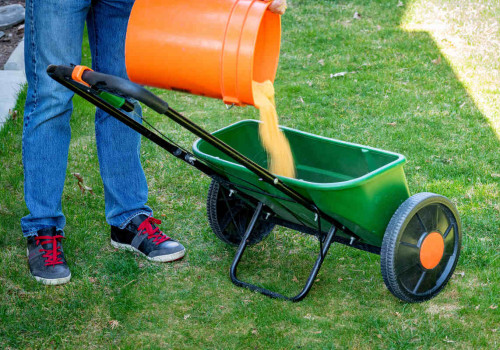
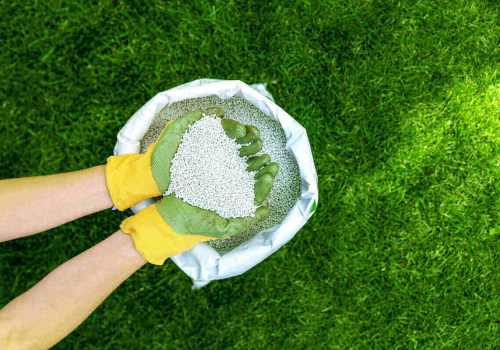
Granular fertilizers are solid formulations that release nutrients slowly over time, making them a popular choice for lawn fertilization.These fertilizers are composed of various nutrients, including nitrogen, phosphorus, and potassium, which are essential for healthy grass growth. The nutrients are often coated in a protective layer to control their release rate, ensuring that your lawn receives a steady supply of nourishment.One of the primary benefits of granular fertilizers is their ease of application. They can be spread evenly across the lawn using a broadcast spreader, which allows for precise distribution and minimizes the risk of over-fertilization. This method not only saves time but also ensures that every part of your lawn receives the necessary nutrients.Another advantage is their longevity.
Granular fertilizers typically last longer than their liquid counterparts, providing nutrients over several weeks or even months. This slow-release mechanism helps to reduce the frequency of applications, making it more convenient for homeowners.
How to Use Granular Fertilizers
- Choose the Right Type: Select a granular fertilizer that matches your lawn's specific nutrient needs. Soil tests can help determine what your lawn requires.
- Application Timing: Apply granular fertilizers during the growing season when your grass is actively growing, typically in spring and fall.
- Spread Evenly: Use a broadcast spreader to ensure an even application across your lawn. Follow the manufacturer's instructions for the recommended rate.
- Water After Application: Watering your lawn after applying granular fertilizer helps to activate the nutrients and encourages absorption into the soil.
Their slow-release properties, ease of application, and long-lasting effects make them an excellent choice for maintaining a lush and healthy yard.
Key Differences Between Liquid and Granular Fertilizers
When it comes to lawn fertilization, understanding the key differences between liquid and granular fertilizers is essential for achieving optimal results. Each type has its unique characteristics that can significantly impact the health and appearance of your lawn.Nutrient Release Rates
One of the primary differences lies in the nutrient release rates. Liquid fertilizers typically provide a quick boost of nutrients, making them ideal for immediate absorption by grass roots. This rapid uptake can be particularly beneficial during periods of stress, such as drought or disease.In contrast, granular fertilizers release nutrients more slowly over time, which can lead to a more sustained feeding effect. This slow-release characteristic is advantageous for long-term lawn health, as it minimizes the risk of nutrient leaching and ensures that your lawn receives a steady supply of nutrients.
Application Methods
The application methods for these fertilizers also differ significantly. Liquid fertilizers are often applied using a sprayer or hose attachment, allowing for even coverage across the lawn. This method can be more efficient for large areas but requires careful handling to avoid over-application.Granular fertilizers, on the other hand, are typically spread using a broadcast spreader, which allows for precise control over the amount applied. However, they may require watering in after application to activate the nutrients and ensure they penetrate the soil effectively.
Effectiveness and Cost
In terms of effectiveness, both types can yield excellent results when used appropriately. Liquid fertilizers may show quicker results, but granular options often provide longer-lasting benefits. Cost-wise, granular fertilizers tend to be more economical per application, especially for larger lawns.However, liquid fertilizers can be more convenient for smaller areas or specific problem spots.Ultimately, the choice between liquid and granular fertilizers will depend on your specific lawn care needs, budget, and desired outcomes. Understanding these differences will help you make an informed decision that promotes a lush and healthy lawn.
When to Use Liquid Fertilizers vs. Granular Fertilizers
Choosing between liquid and granular fertilizers for your lawn depends on various factors, including the specific needs of your grass, the time of year, and the condition of your soil. Understanding when to use each type can significantly enhance your lawn fertilization strategy.When to Use Liquid Fertilizers
Liquid fertilizers are ideal for quick nutrient absorption.They are particularly effective in the following scenarios:
- Rapid Growth Periods: During the spring and early summer, when grass is actively growing, liquid fertilizers can provide an immediate nutrient boost.
- Soil Testing Results: If soil tests indicate a specific nutrient deficiency, liquid fertilizers can quickly address these issues.
- Foliar Feeding: For lawns that need a quick fix, applying liquid fertilizers directly to the leaves can enhance nutrient uptake.
When to Use Granular Fertilizers
Granular fertilizers, on the other hand, release nutrients slowly over time, making them suitable for different situations:- Long-Term Nutrient Supply: If you want to provide a steady supply of nutrients over several weeks or months, granular options are preferable.
- Established Lawns: For mature lawns that require less frequent feeding, granular fertilizers can be applied less often while still maintaining health.
- Soil Improvement: Granular fertilizers often contain organic matter that improves soil structure and health over time.
Common Myths About Liquid and Granular Fertilizers
When it comes to lawn fertilization, several myths persist about both liquid and granular fertilizers that can mislead homeowners. Understanding these misconceptions is crucial for making informed decisions about your lawn care.- Myth 1: Liquid fertilizers are always better than granular fertilizers. While liquid fertilizers can provide quick nutrient absorption, they often require more frequent applications. Granular fertilizers, on the other hand, release nutrients slowly over time, which can be beneficial for long-term lawn health.
- Myth 2: Granular fertilizers are less effective. This is not true; granular fertilizers can be just as effective as liquid ones when applied correctly.
They often contain a balanced mix of nutrients that support sustained growth, making them ideal for lawns that need consistent nourishment.
- Myth 3: All liquid fertilizers are synthetic. Many homeowners believe that liquid fertilizers are solely chemical-based. However, there are numerous organic liquid fertilizers available that provide essential nutrients without harmful additives.
- Myth 4: You can't use both types together. Some people think that mixing liquid and granular fertilizers can harm the lawn. In reality, using both can be beneficial if done correctly, as they can complement each other’s strengths and weaknesses.
Frequently Asked Questions About Lawn Fertilization
When it comes to lawn fertilization, many homeowners have questions about the best practices and products to use.Here are some of the most frequently asked questions:
1.What is the difference between liquid and granular fertilizers?
Liquid fertilizers are typically water-soluble and can be applied directly to the lawn using a sprayer. They are absorbed quickly by the grass, providing immediate nutrients. In contrast, granular fertilizers are solid and need to be spread over the lawn, where they dissolve slowly over time, releasing nutrients gradually. This makes granular options ideal for long-term feeding.2.How often should I fertilize my lawn?
The frequency of lawn fertilization depends on several factors, including the type of grass, climate, and soil quality.Generally, it is recommended to fertilize your lawn every 6 to 8 weeks during the growing season. However, a soil test can provide specific recommendations tailored to your lawn's needs.
3.Can I use fertilizer on newly seeded lawns?
Yes, but caution is necessary. Use a starter fertilizer that is low in nitrogen and high in phosphorus to promote root development without burning the young grass. Wait until the grass has established itself before applying regular fertilizers.4.What time of year is best for lawn fertilization?
The best time for lawn fertilization varies by region.In general, early spring and fall are ideal for cool-season grasses, while late spring through summer works best for warm-season grasses. Timing your application with the growth cycle of your grass will yield the best results.
5.Are organic fertilizers better than synthetic ones?
This depends on your gardening philosophy and goals. Organic fertilizers improve soil health over time and are less likely to cause nutrient runoff, while synthetic fertilizers provide quick results but can lead to soil degradation if used excessively. Consider your lawn's specific needs when choosing between them.By understanding these common questions about lawn care, you can make informed decisions that will lead to a healthier and more vibrant lawn.Conclusion: Choosing the Right Fertilizer for Your Lawn Needs
In conclusion, understanding the differences between liquid and granular fertilizers is crucial for effective lawn fertilization.Each type has its unique advantages and disadvantages, making them suitable for different lawn care needs.Liquid fertilizers offer rapid nutrient absorption, making them ideal for quick fixes and immediate results. They are particularly beneficial during the growing season when your lawn requires a boost. However, they may require more frequent applications and can be less effective in providing long-term nutrient release. On the other hand, granular fertilizers provide a slow-release option that feeds your lawn over an extended period. This makes them a great choice for maintaining consistent nutrient levels and reducing the frequency of application.
However, they may take longer to show results compared to their liquid counterparts. When choosing the right fertilizer for your lawn, consider factors such as:
- The specific nutrient needs of your grass type
- The time of year and growth stage of your lawn
- Your watering schedule and soil conditions