Lawn fertilization is a crucial aspect of maintaining a vibrant and healthy lawn, especially when it comes to newly seeded or sodded areas. Understanding the importance of fertilization can significantly impact the establishment and growth of your grass, ensuring that it thrives in its early stages. When you introduce new grass seeds or sod to your yard, they require specific nutrients to develop strong roots and lush foliage. This is where the role of fertilizers becomes essential. Applying the right type of fertilizer at the appropriate time can provide your lawn with the necessary nutrients it needs to flourish.
Newly seeded lawns benefit from fertilizers that are rich in nitrogen, phosphorus, and potassium, which are vital for root development and overall plant health. These nutrients not only promote growth but also help in preventing weeds and diseases that can hinder the establishment of your lawn. Moreover, fertilizing your lawn can lead to long-term benefits such as improved drought resistance, enhanced color, and increased resilience against pests. A well-fertilized lawn is not just about aesthetics; it contributes to a healthier ecosystem by supporting beneficial microorganisms in the soil. As we delve deeper into the specifics of fertilizing newly seeded and sodded lawns, it’s important to recognize that proper lawn fertilization is an investment in the future health and beauty of your outdoor space.
Understanding Newly Seeded and Sodded Lawns
When it comes to establishing a lush, green lawn, understanding the differences between newly seeded and sodded lawns is essential.Both methods aim to create a beautiful landscape, but they involve different processes and care requirements.
Newly Seeded Lawns
A newly seeded lawn is created by spreading grass seed over prepared soil. This method is often more cost-effective and allows for a wider selection of grass types. However, it requires patience, as seeds take time to germinate and establish roots. The success of a newly seeded lawn heavily relies on proper watering, soil temperature, and sunlight exposure.
Sodded Lawns
In contrast, a sodded lawn involves laying down pre-grown grass sections, or sod, which are harvested from a mature lawn.
This method provides an instant green cover and reduces the waiting period for a fully established lawn. Sodding is particularly beneficial in areas prone to erosion or where immediate coverage is desired.
Key Differences Between Seeding and Sodding
- Establishment Time: Seeding takes longer to establish compared to sodding, which offers immediate results.
- Cost: Seeding is generally less expensive than sodding due to the lower material costs.
- Maintenance: Newly seeded lawns require consistent moisture and care during germination, while sodded lawns need less initial maintenance.
- Grass Variety: Seeding allows for more variety in grass types, while sodding is limited to what is available in sod form.
When to Fertilize Newly Seeded Lawns
Timing is crucial when it comes to lawn fertilization for newly seeded lawns. Applying fertilizer at the right moment can significantly enhance the establishment and growth of your new grass.Here are some key considerations:
- Initial Fertilization: It is generally recommended to apply a starter fertilizer at the time of seeding. This type of fertilizer is high in phosphorus, which promotes root development. Ensure that you follow the manufacturer’s instructions regarding the amount to use.
- First Few Weeks: After seeding, avoid applying additional fertilizer for at least 4 to 6 weeks. During this period, the grass is establishing its roots and may be sensitive to excess nutrients.
- Assessing Growth: Once your grass has germinated and reached a height of about 2 to 3 inches, you can consider a light application of nitrogen-rich fertilizer.
This typically occurs around 6 to 8 weeks after seeding.
- Cool-Season Grasses: For cool-season grasses, early spring or fall is ideal for fertilization. If seeded in spring, wait until after the initial establishment phase before applying additional nutrients.
- Warm-Season Grasses: If you are planting warm-season grasses, late spring or early summer is the best time for fertilization, as these grasses thrive in warmer temperatures.
When to Fertilize Newly Sodded Lawns
When it comes to lawn fertilization for newly sodded lawns, timing is crucial for ensuring a healthy and vibrant lawn. Unlike seeded lawns, which require a different approach, newly sodded areas benefit from a more immediate fertilization strategy.Initial Fertilization
- It is recommended to apply a starter fertilizer at the time of installation.
This type of fertilizer is specifically formulated to promote root development and establish strong sod.
- Typically, you should fertilize within the first two weeks after laying the sod. This allows the grass to absorb essential nutrients while it is still establishing its root system.
Timing Considerations
- Monitor the sod's growth closely. If you notice that the grass is not greening up or growing as expected, it may be time for an additional application.
- A second round of fertilization can be beneficial about 6 to 8 weeks after installation. This helps to support ongoing growth and recovery from any transplant shock.
Best Practices for Sod Care
- Always follow the manufacturer's instructions on fertilizer application rates to avoid over-fertilization, which can harm your new lawn.
- Water your sod thoroughly after applying fertilizer to help the nutrients penetrate the soil and reach the roots effectively.
- Avoid fertilizing during extreme heat or drought conditions, as this can stress the new grass and hinder its establishment.
Types of Fertilizers Suitable for New Lawns
When establishing a new lawn, choosing the right type of fertilizer is crucial for promoting healthy growth and ensuring a lush, green appearance.There are two primary categories of fertilizers to consider: organic and synthetic.
Organic Fertilizers
Organic fertilizers are derived from natural sources and are often preferred by environmentally conscious homeowners. They improve soil structure and enhance microbial activity, which can lead to long-term soil health. Some popular organic options include:- Compost: Rich in nutrients, compost improves soil fertility and moisture retention.
- Bone Meal: A slow-release source of phosphorus, bone meal supports root development.
- Fish Emulsion: This liquid fertilizer provides a quick nutrient boost, particularly nitrogen.
Synthetic Fertilizers
Synthetic fertilizers are chemically manufactured and typically provide nutrients in a more concentrated form. They can deliver immediate results, making them a popular choice for new lawns.Key types include:
- Starter Fertilizers: These are specifically formulated for new grass and contain higher phosphorus levels to promote root growth.
- Slow-Release Fertilizers: These provide nutrients over an extended period, reducing the frequency of application.
- Liquid Fertilizers: Quick-acting and easy to apply, liquid fertilizers can be used for rapid nutrient absorption.
How to Apply Fertilizer on New Lawns
Applying fertilizer to newly seeded or sodded lawns is a critical step in establishing a healthy and vibrant lawn. Here are some effective techniques and tips for lawn fertilization that can help you achieve the best results.Timing is Key
Before applying fertilizer, it’s essential to consider the timing.For newly seeded lawns, wait until the grass has germinated and reached a height of about 2-3 inches. This usually takes about 4-6 weeks after seeding. For sod, you can apply a starter fertilizer immediately after installation to promote root establishment.
Choosing the Right Fertilizer
Select a fertilizer that is specifically formulated for new lawns. Look for a product with a higher phosphorus content, as this nutrient is vital for root development.A typical ratio might be starter fertilizers with an N-P-K ratio of 10-20-10 or similar.
Application Techniques
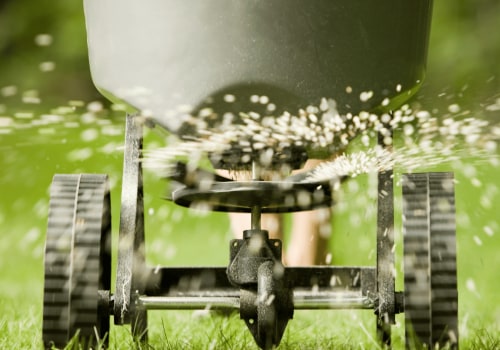
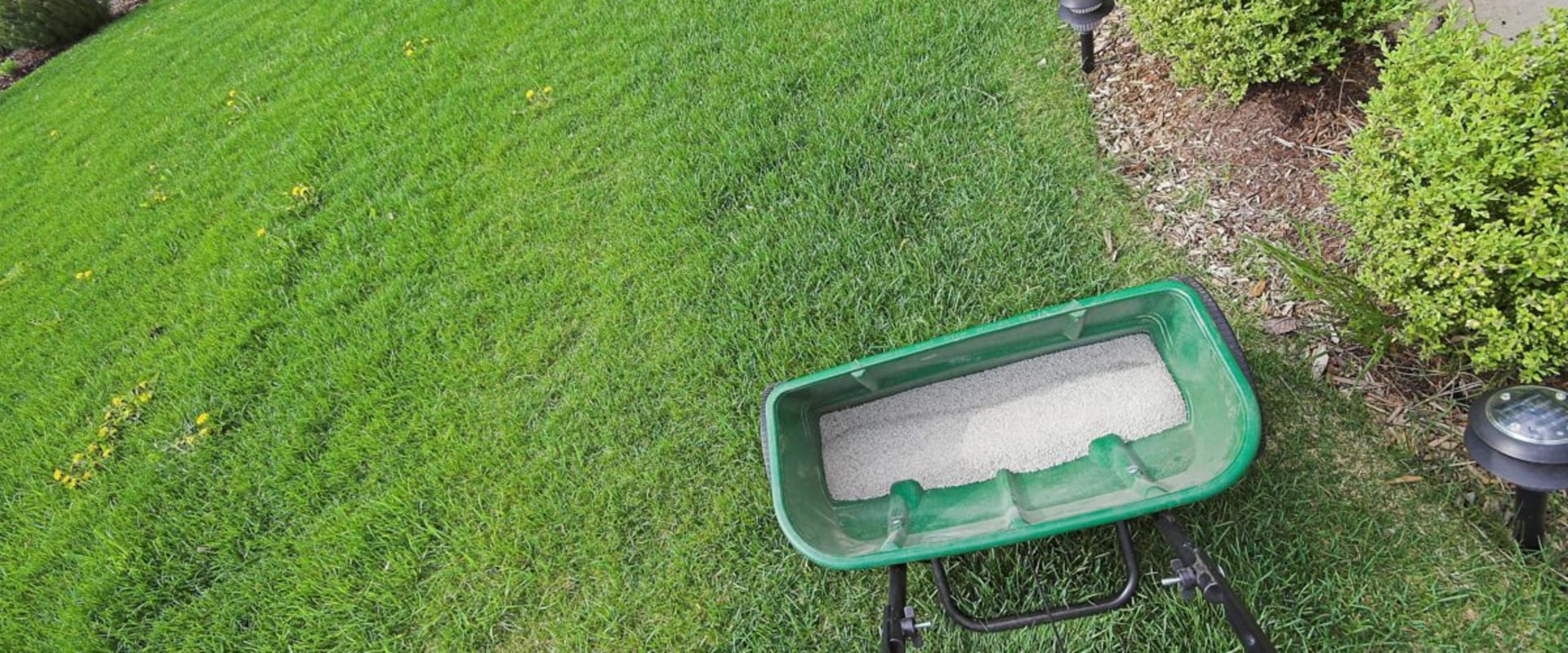
- Broadcast Spreader: Use a broadcast spreader for even distribution of granular fertilizers. Adjust the settings according to the manufacturer's instructions to avoid over-fertilization.
- Hand Application: For small areas, you can apply fertilizer by hand, but ensure you wear gloves and distribute it evenly to prevent burning the grass.
- Watering: After applying fertilizer, water the lawn lightly to help dissolve the granules and allow nutrients to penetrate the soil.
Tips for Success
- Avoid Over-Fertilization: Too much fertilizer can harm young grass. Follow the recommended application rates on the product label.
- Monitor Soil Moisture: Ensure your lawn has adequate moisture before and after fertilization to enhance nutrient absorption.
- Regular Maintenance: Continue to monitor your lawn’s health and adjust your fertilization schedule based on growth and seasonal changes.
Common Mistakes in Lawn Fertilization
When it comes to lawn fertilization, many homeowners make common mistakes that can hinder the growth and health of their newly seeded or sodded lawns. Understanding these pitfalls is crucial for achieving a lush, green yard.- Over-fertilization: One of the most frequent errors is applying too much fertilizer.
This can lead to a condition known as "fertilizer burn," where the grass becomes stressed and may even die. Always follow the recommended application rates on the fertilizer package, especially for new grass.
- Timing Issues: Fertilizing at the wrong time can also be detrimental. Newly seeded lawns require a different approach than established ones. It’s best to wait until the grass has been mowed at least once before applying any fertilizer, allowing the roots to establish themselves first.
- Ignoring Soil Testing: Many homeowners skip soil testing, which is essential for understanding nutrient levels and pH balance.
Without this information, you might apply fertilizers that your lawn doesn’t need, leading to nutrient imbalances.
- Choosing the Wrong Type of Fertilizer: Not all fertilizers are created equal. Using a high-nitrogen fertilizer on new grass can promote excessive leaf growth at the expense of root development. Opt for a balanced fertilizer that supports root establishment.
- Inconsistent Application: Uneven distribution of fertilizer can result in patchy growth. Use a spreader for even application and avoid applying fertilizer on windy days to prevent drift.
Proper timing, correct product choice, and careful application will lead to a healthier, more resilient lawn.
FAQs About Lawn Fertilization for New Lawns
When it comes to lawn fertilization for newly seeded or sodded lawns, many homeowners have questions. Here are some of the most frequently asked questions to help you navigate this important aspect of lawn care.1.When should I fertilize my new lawn?
It is generally recommended to wait until your new grass has established roots before applying fertilizer. For newly seeded lawns, this usually means waiting about 4 to 6 weeks after germination. For sodded lawns, you can apply a starter fertilizer immediately after installation, as long as the sod is well-watered.2.What type of fertilizer should I use?
For new lawns, a starter fertilizer with a higher phosphorus content is ideal.Look for a fertilizer with an N-P-K ratio such as 10-20-10 or 15-30-15. This will promote root development and help your grass establish itself more effectively.
3.How much fertilizer should I apply?
The amount of fertilizer needed can vary based on the product and your lawn's specific needs. As a general rule, apply about 1 pound of nitrogen per 1,000 square feet for new lawns. Always follow the manufacturer's instructions for the best results.4.Can I over-fertilize my new lawn?
Yes, over-fertilization can lead to several issues, including:- Burning: Excess nutrients can scorch the grass.
- Pest Attraction: Over-fertilized lawns may attract pests.
- Water Quality Issues: Runoff from over-fertilized lawns can contaminate local water sources.
5.What should I do if my new lawn shows signs of distress after fertilization?
If your newly seeded or sodded lawn appears yellow or brown after fertilization, consider the following troubleshooting steps:- Check Soil Moisture: Ensure that the soil is adequately moist but not waterlogged.
- Evaluate Fertilizer Application: Review how much and what type of fertilizer was applied.
- Consult a Lawn Care Professional: If issues persist, seeking expert advice may be beneficial.
Conclusion: Best Practices for Fertilizing New Lawns
In conclusion, lawn fertilization is a critical component of establishing a healthy and vibrant lawn, especially for newly seeded or sodded areas. Understanding the right timing and type of fertilizer to use can significantly impact the success of your lawn care efforts. Here are some best practices to keep in mind:- Timing is Key: Apply fertilizer at the right time, typically a few weeks after seeding or sodding, once the grass has established roots.
This ensures that the young grass can absorb nutrients effectively without being overwhelmed.
- Choose the Right Fertilizer: Opt for a starter fertilizer that is high in phosphorus to promote root development. Look for a balanced N-P-K ratio that suits your specific grass type.
- Follow Application Guidelines: Always adhere to the recommended application rates on the fertilizer package. Over-fertilizing can lead to nutrient runoff and damage to your new lawn.
- Watering After Application: Water your lawn thoroughly after fertilization to help dissolve the nutrients and carry them down to the roots. This also helps prevent fertilizer burn.
- Monitor Growth: Keep an eye on your lawn’s growth and health.
If you notice any signs of stress or nutrient deficiency, adjust your fertilization schedule accordingly.