Lawn fertilization is a crucial aspect of maintaining a vibrant and healthy lawn. It involves the application of nutrients to the soil to promote grass growth, enhance color, and improve overall resilience against pests and diseases. Understanding the fundamentals of lawn fertilization is essential for any homeowner or landscaper looking to achieve a lush, green outdoor space. The importance of lawn fertilization cannot be overstated. Just like any living organism, grass requires a balanced diet to thrive.
Nutrients such as nitrogen, phosphorus, and potassium play vital roles in the growth process. Nitrogen encourages lush foliage, phosphorus supports root development, and potassium helps with overall plant health. Without these essential nutrients, lawns can become weak, discolored, and susceptible to various environmental stresses. Moreover, effective lawn fertilization not only enhances the aesthetic appeal of your yard but also contributes to environmental sustainability. A well-fertilized lawn can absorb more carbon dioxide and produce oxygen, improving air quality.
Additionally, it can help prevent soil erosion and promote biodiversity by providing a habitat for various organisms. As you consider the factors involved in choosing the right fertilizer for your lawn, keep in mind that understanding the principles of lawn fertilization is the first step toward achieving a thriving landscape.
Types of Lawn Fertilizers
When it comes to lawn fertilization, understanding the different types of fertilizers available is crucial for achieving a lush, healthy lawn. The two primary categories of lawn fertilizers are organic and synthetic.Organic vs Synthetic Fertilizers
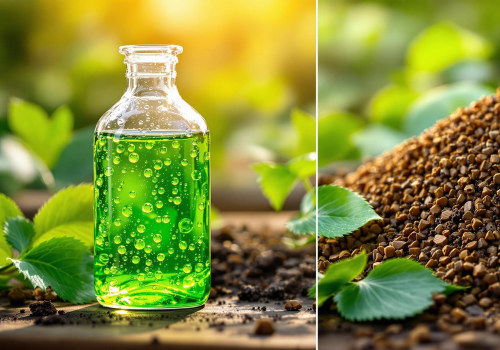
Organic fertilizers are derived from natural sources such as plant or animal matter. They improve soil health over time by enhancing its structure and promoting beneficial microbial activity.Common organic options include compost, manure, and bone meal. While they release nutrients slowly, they contribute to long-term soil fertility.On the other hand, synthetic fertilizers are chemically manufactured and provide a quick nutrient boost to the lawn. They often contain concentrated amounts of nitrogen, phosphorus, and potassium (N-P-K), which can lead to rapid growth. However, overuse can result in nutrient runoff and potential harm to the environment.
Slow-Release vs Fast-Release Fertilizers
Another important distinction in lawn fertilization is between slow-release and fast-release fertilizers.Slow-release fertilizers gradually release nutrients over an extended period, typically weeks or months. This method reduces the risk of nutrient leaching and provides a steady supply of nutrients to the grass.In contrast, fast-release fertilizers deliver nutrients quickly, making them ideal for immediate greening effects. However, they require more frequent applications and can lead to uneven growth if not applied correctly.Ultimately, the choice between organic and synthetic, as well as slow-release and fast-release fertilizers, depends on your lawn's specific needs, environmental considerations, and your personal gardening philosophy. By understanding these types of fertilizers, you can make informed decisions that promote a vibrant lawn while also being mindful of ecological impacts.
Nutrient Composition: N-P-K Ratios
When it comes to lawn fertilization, understanding the N-P-K ratios on fertilizer labels is crucial for selecting the right product for your lawn's needs.The N-P-K ratio represents the percentage of three essential nutrients: nitrogen (N), phosphorus (P), and potassium (K). Each of these nutrients plays a distinct role in promoting healthy grass growth.
- Nitrogen (N) : This nutrient is vital for leaf and stem growth, giving your lawn its lush green color. A higher nitrogen content is particularly beneficial during the growing season.
- Phosphorus (P) : Essential for root development, phosphorus helps establish a strong foundation for your grass. It is especially important when planting new lawns or overseeding.
- Potassium (K) : This nutrient aids in overall plant health, helping grass withstand stress from drought, disease, and pests.
It also contributes to the lawn's resilience and longevity.
- Soil Test Results : Conducting a soil test can provide insights into nutrient deficiencies or excesses in your lawn. This information will guide you in selecting a fertilizer that meets your lawn's unique needs.
- Lawn Type : Different grass types have varying nutrient requirements. For instance, cool-season grasses may benefit from higher nitrogen levels in spring and fall, while warm-season grasses thrive with balanced nutrients during their active growth period.
- Seasonal Considerations : Adjusting your fertilizer choice based on the season can optimize growth.
Early spring may require more nitrogen to promote green-up, while late summer might call for a balanced approach to prepare for dormancy.
Soil Testing: Assessing Your Lawn's Needs
Understanding the specific nutrient needs of your lawn is crucial for effective lawn fertilization. One of the best ways to achieve this is through soil testing. This process allows you to assess the health of your soil and determine which nutrients are lacking or in excess.How to Test Soil
- Collect Samples: Start by gathering soil samples from different areas of your lawn. Use a clean spade or soil probe to take samples from a depth of about 4-6 inches.
- Mix and Prepare: Combine the samples in a clean bucket to create a composite sample that represents your entire lawn.
- Choose a Testing Method: You can either send your sample to a local extension service or purchase a DIY soil test kit.
The former often provides more detailed analysis.
- Follow Instructions: If using a kit, carefully follow the instructions for testing pH levels and nutrient content.
Interpreting Soil Test Results
Once you receive your results, it’s essential to understand what they mean. Most soil tests will provide information on pH levels, nitrogen (N), phosphorus (P), potassium (K), and other micronutrients. Here’s how to interpret these results:
- pH Level: A pH between 6.0 and 7.0 is generally ideal for most lawns. If your soil is too acidic or alkaline, it can affect nutrient availability.
- Nutrient Levels: Look for recommendations on how much fertilizer to apply based on the current nutrient levels in your soil.
This will help you avoid over-fertilization, which can harm your lawn.
- Organic Matter: Some tests also measure organic matter content, which is vital for soil health. Higher organic matter improves moisture retention and nutrient availability.
Environmental Considerations
When considering lawn fertilization, it is crucial to evaluate the environmental impact of the fertilizers you choose. Traditional chemical fertilizers can contribute to soil degradation, water pollution, and harm local ecosystems. Therefore, opting for eco-friendly alternatives is not only beneficial for your lawn but also for the planet.Understanding Environmental Impact
The runoff from synthetic fertilizers can lead to nutrient pollution in nearby water bodies, causing algal blooms that deplete oxygen levels and harm aquatic life.Additionally, these fertilizers can disrupt the natural balance of soil microorganisms essential for healthy plant growth.
Eco-Friendly Lawn Care Options
- Organic Fertilizers: Derived from natural sources such as compost, manure, or bone meal, organic fertilizers release nutrients slowly and improve soil health over time.
- Slow-Release Formulas: These fertilizers provide a steady supply of nutrients, reducing the risk of runoff and minimizing the need for frequent applications.
- Compost: Utilizing homemade or store-bought compost enriches the soil with organic matter and beneficial microbes, promoting a sustainable lawn ecosystem.
- Mulching: Leaving grass clippings on the lawn after mowing returns nutrients to the soil and reduces the need for additional fertilization.
Sustainable Fertilization Practices
Incorporating sustainable practices into your lawn care routine can significantly reduce your environmental footprint. Here are some strategies to consider:- Soil Testing: Conduct regular soil tests to determine nutrient needs and avoid over-fertilization.
- Timing: Apply fertilizers during optimal growth periods to enhance absorption and minimize waste.
- Integrated Pest Management (IPM): Combine fertilization with pest control strategies that prioritize natural solutions over chemicals.
Application Methods and Timing
When it comes to lawn fertilization, understanding the various application methods and the optimal timing for application is crucial for achieving a lush, healthy lawn. Here are some effective methods and tips to consider:Application Methods
- Granular Fertilizers: These are easy to apply using a broadcast spreader.
Ensure even distribution by walking at a steady pace and overlapping slightly with each pass.
- Liquid Fertilizers: These can be applied using a sprayer or hose attachment. They often provide quicker results but require more frequent applications.
- Slow-Release Fertilizers: Ideal for long-term feeding, these fertilizers release nutrients gradually, reducing the risk of burning your lawn.
- Organic Fertilizers: Made from natural materials, these can improve soil health over time. They may take longer to show results but are beneficial for sustainable lawn care.
Best Time to Fertilize Lawns
The timing of your lawn fertilization is just as important as the method you choose. Here are some guidelines:- Spring Application: Early spring is an excellent time to fertilize cool-season grasses as they begin to grow.
Aim for late March to early April.
- Fall Application: For cool-season grasses, a second application in early fall (September to October) helps prepare the lawn for winter and promotes root growth.
- Summer Application: Warm-season grasses benefit from fertilization in late spring to early summer (May to June). Avoid fertilizing during extreme heat to prevent stress on the grass.
Common Mistakes to Avoid When Fertilizing Lawns
When it comes to lawn fertilization, many homeowners inadvertently make mistakes that can hinder their lawn's health and growth. Understanding these common errors can help you achieve a lush, green lawn.1.Over-Fertilizing
One of the most prevalent mistakes is over-fertilizing. Applying too much fertilizer can lead to nutrient burn, which damages grass roots and can even kill your lawn.To avoid this, always follow the recommended application rates on the fertilizer package and consider using a spreader for even distribution.
2.Ignoring Soil Testing
Many homeowners skip soil testing, which is crucial for understanding the specific nutrient needs of their lawn. Without this information, you may apply fertilizers that your soil doesn’t need, leading to imbalances. Conduct a soil test every few years to tailor your lawn fertilization strategy effectively.3.Fertilizing at the Wrong Time
The timing of your fertilization is just as important as the amount you apply. Fertilizing during extreme temperatures or when the grass is dormant can be detrimental.Aim to fertilize during the growing season, typically in early spring and fall, when your grass can utilize the nutrients effectively.
4.Not Watering After Application
Failing to water your lawn after applying fertilizer can lead to uneven nutrient absorption. Watering helps dissolve the fertilizer and allows it to penetrate the soil, making it accessible to grass roots. Ensure you water your lawn lightly after fertilization to maximize effectiveness.5.Choosing the Wrong Type of Fertilizer
Not all fertilizers are created equal. Some are designed for specific types of grass or soil conditions.Using a generic fertilizer may not meet your lawn's unique needs. Research and select a fertilizer that matches your grass type and local soil conditions for optimal results.By avoiding these common mistakes in lawn fertilization, you can ensure that your lawn remains healthy and vibrant throughout the growing season.
Frequently Asked Questions about Lawn Fertilization
When it comes to lawn fertilization, many homeowners have questions that can significantly impact the health and appearance of their lawns. Here are some frequently asked questions that can help guide your fertilization choices:What type of fertilizer should I use?
The type of fertilizer you choose depends on your lawn's specific needs. There are three main types:- Granular Fertilizer: Easy to apply and lasts longer, making it suitable for slow-release feeding.
- Liquid Fertilizer: Provides quick nutrients and is ideal for fast-acting results, but may require more frequent applications.
- Organic Fertilizer: Derived from natural sources, it improves soil health over time but may take longer to show results.
How often should I fertilize my lawn?
The frequency of lawn fertilization depends on the type of grass and the fertilizer used.Generally, a good rule of thumb is:
- For cool-season grasses: Fertilize in early spring and fall.
- For warm-season grasses: Fertilize in late spring and summer.
What should I look for on a fertilizer label?
Understanding the numbers on a fertilizer label is crucial. The three numbers represent the ratio of nitrogen (N), phosphorus (P), and potassium (K). For example, a 10-10-10 fertilizer contains equal parts of these nutrients. Choose a formula based on your lawn's nutrient needs:- Nitrogen: Promotes lush, green growth.
- Phosphorus: Supports root development.
- Potassium: Enhances overall plant health and disease resistance.
Can I fertilize my lawn in the winter?
Generally, it is not recommended to fertilize during winter months as grass is dormant.However, applying a winterizer fertilizer in late fall can help prepare your lawn for spring growth by providing essential nutrients during dormancy.If you have more questions about lawn care, consider consulting with a local extension service or lawn care professional for tailored advice based on your region and grass type.
Conclusion: Making an Informed Choice for Your Lawn's Health
In conclusion, making an informed choice for your lawn's health is crucial for achieving a vibrant and lush landscape. As we have discussed, lawn fertilization involves several key factors that can significantly impact the effectiveness of your chosen fertilizer. First and foremost, understanding your soil's nutrient profile is essential. Conducting a soil test can reveal deficiencies or excesses in nutrients, allowing you to select a fertilizer that meets your lawn's specific needs. Additionally, considering the type of grass you have is vital, as different grass species have varying nutrient requirements. Another important factor is the timing of application.Fertilizing at the right time of year can enhance nutrient uptake and promote healthy growth. For instance, cool-season grasses typically benefit from fertilization in early spring and fall, while warm-season grasses thrive with summer applications. Furthermore, the choice between organic and synthetic fertilizers should align with your gardening philosophy and environmental considerations. Organic options may improve soil health over time, while synthetic fertilizers often provide immediate results. Lastly, always pay attention to the fertilizer ratio indicated on the packaging. This ratio reflects the proportion of nitrogen (N), phosphorus (P), and potassium (K) in the product and should correspond to your lawn's specific needs. By taking these factors into account—soil health, grass type, timing, fertilizer type, and nutrient ratios—you can make a well-informed decision that supports your lawn's long-term vitality.
Remember, a healthy lawn not only enhances your home's curb appeal but also contributes positively to the environment.