Lawn fertilization is a crucial practice for maintaining a vibrant and healthy lawn. It involves the application of essential nutrients to the soil, which in turn promotes robust grass growth and enhances the overall health of your outdoor space. Understanding the fundamentals of lawn fertilization can help you make informed decisions about when and how to nourish your grass, ensuring it thrives throughout the seasons. One of the primary benefits of lawn fertilization is its ability to replenish nutrients that may be depleted over time due to environmental factors, foot traffic, and natural wear and tear. Grass requires a balanced supply of nitrogen, phosphorus, and potassium—key nutrients that support root development, improve drought resistance, and enhance color vibrancy.
Without proper fertilization, your lawn may exhibit signs of nutrient deficiency, such as yellowing blades or stunted growth. Moreover, regular fertilization not only boosts the aesthetic appeal of your lawn but also contributes to its resilience against pests and diseases. A well-fertilized lawn can better withstand stressors like extreme weather conditions and invasive weeds. By investing in proper lawn care through fertilization, you are not just enhancing your property’s curb appeal; you are also fostering a sustainable environment that benefits both your landscape and local ecosystems.
Signs Your Lawn Needs Fertilization
Understanding the signs your lawn needs fertilization is crucial for maintaining a healthy and vibrant yard. Here are some key indicators to look out for:- Color Changes: One of the most noticeable signs of an under-fertilized lawn is a change in color.
If your grass appears pale green or yellow instead of a rich, deep green, it may be lacking essential nutrients.
- Stunted Growth: If your lawn is not growing as vigorously as it should, this could indicate a nutrient deficiency. Grass that grows slowly or has thin patches may require fertilization to promote healthy growth.
- Soil Health: Conducting a soil test can provide valuable insights into the nutrient levels in your lawn. If the test reveals low nitrogen, phosphorus, or potassium levels, it’s a clear sign that fertilization is needed.
- Weed Proliferation: An increase in weeds can also signal that your lawn is under-fertilized. Weeds often thrive in nutrient-poor soil, so if you notice more weeds than usual, it might be time to apply fertilizer.
- Foot Traffic Damage: Areas of your lawn that experience heavy foot traffic may show signs of wear and tear.
Fertilizing these areas can help rejuvenate the grass and promote recovery.
Assessing Your Lawn's Health
To determine if your lawn requires fertilization, a thorough assessment of its health is essential. This process involves both visual inspections and soil testing techniques that can provide valuable insights into the condition of your grass and soil.Visual Inspection
Start with a visual inspection of your lawn. Look for signs that may indicate nutrient deficiencies:- Color: Healthy grass typically has a vibrant green color.
If you notice yellowing or browning patches, it may be a sign that your lawn is lacking essential nutrients.
- Growth Patterns: Uneven growth or sparse areas can indicate poor soil health or insufficient fertilization.
- Pest Damage: Check for signs of pests or diseases, as these can also affect the overall health of your lawn.
Soil Testing
A more precise method for assessing your lawn's health is through soil testing. This process involves collecting samples from different areas of your lawn and sending them to a laboratory for analysis. Here’s how to conduct a soil test:- Collect Samples: Use a soil probe or spade to collect samples from various spots in your lawn, ideally from the top 4-6 inches of soil.
- Mix Samples: Combine the samples in a clean container to create a composite sample that represents your entire lawn.
- Send for Testing: Follow the instructions provided by the testing service to send your sample for analysis.
Types of Fertilizers and Their Uses
When it comes to lawn fertilization, understanding the different types of fertilizers available is crucial for achieving a healthy and vibrant lawn.Fertilizers can be broadly categorized into two main types: organic and synthetic.
Organic Fertilizers
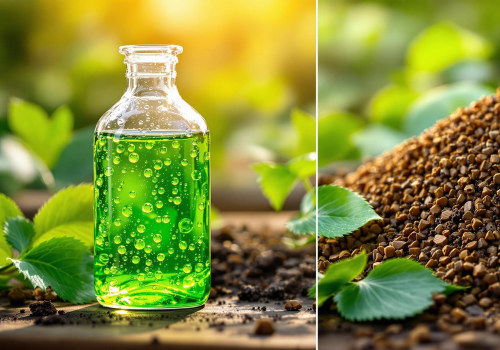
Organic fertilizers are derived from natural sources, such as plant or animal matter. They release nutrients slowly, improving soil structure and promoting beneficial microbial activity. Common examples include:- Compost: A rich source of nutrients that enhances soil health.
- Manure: Animal waste that provides essential nutrients like nitrogen, phosphorus, and potassium.
- Bone meal: A slow-release source of phosphorus that supports root development.
- Fish emulsion: A liquid fertilizer high in nitrogen, ideal for quick nutrient uptake.
Synthetic Fertilizers
Synthetic fertilizers, on the other hand, are chemically manufactured and provide nutrients in a more concentrated form. They are designed for quick absorption by plants, making them effective for immediate results.Some common types include:
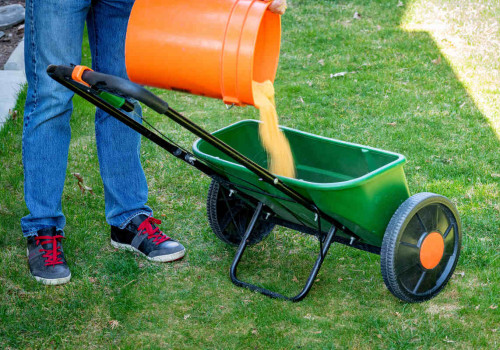
- Granular fertilizers: These are solid formulations that can be spread over the lawn and typically last longer than liquids.
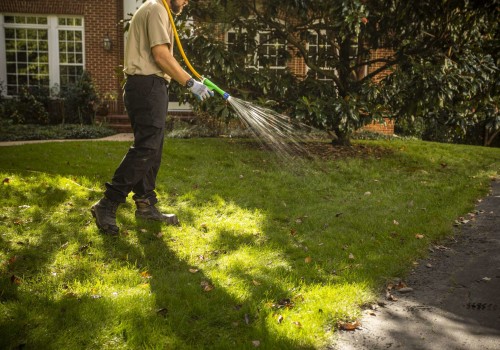
- Liquid fertilizers: Fast-acting solutions that can be applied directly to the grass for rapid nutrient delivery.
- Slow-release fertilizers: Formulated to release nutrients gradually over time, reducing the frequency of application.
Conversely, if you prefer a more sustainable approach, organic options can enhance soil health over time.Ultimately, understanding the differences between organic and synthetic fertilizers will empower you to make informed decisions about your lawn fertilization strategy, ensuring your lawn remains lush and green throughout the growing season.
When to Fertilize Your Lawn
Understanding when to fertilize your lawn is crucial for maintaining a healthy and vibrant yard. The timing of fertilization can significantly impact the growth and resilience of your grass, making it essential to align your fertilization schedule with seasonal changes and the specific needs of your grass type.Best Time to Fertilize Your Lawn
- Spring Fertilization: For cool-season grasses, early spring is an ideal time to apply fertilizer. This is when the grass begins to wake up from dormancy and starts growing actively. Aim for a fertilization window between late March and early May.
- Summer Fertilization: If you have warm-season grasses, late spring to early summer (around May to June) is the best time for fertilization.
This period supports vigorous growth as temperatures rise.
- Fall Fertilization: Fall is a critical time for both cool-season and warm-season grasses. For cool-season varieties, fertilizing in early fall (September to October) helps them store nutrients for winter. Warm-season grasses benefit from a late summer application (August to September) to prepare for dormancy.
Seasonal Fertilization Tips
- Monitor soil temperature: Grass growth is closely tied to soil temperature. Use a soil thermometer to check if the ground temperature is suitable for fertilization.
- Consider rainfall: Fertilizing just before a rain can help nutrients penetrate the soil more effectively, but avoid applying during heavy rain forecasts to prevent runoff.
- Observe grass color and growth: If your lawn appears pale or has slowed growth, it may be time for a nutrient boost.
Common Mistakes in Lawn Fertilization
When it comes to lawn fertilization, many homeowners unknowingly make mistakes that can hinder their lawn's health and growth.Understanding these common errors is crucial for achieving a lush, green lawn.
- Over-fertilizing: One of the most prevalent mistakes is applying too much fertilizer. This can lead to a condition known as "fertilizer burn," where the grass becomes discolored and may even die. Signs of over-fertilization include yellowing grass, excessive growth, and a strong chemical smell. To avoid this, always follow the recommended application rates on the fertilizer package.
- Ignoring soil tests: Many homeowners skip soil testing, which is essential for understanding the nutrient needs of your lawn.
Without this information, you may apply fertilizers that your lawn doesn't need or miss out on necessary nutrients. Conducting a soil test can help you tailor your fertilization strategy effectively.
- Fertilizing at the wrong time: Timing is critical in lawn fertilization. Applying fertilizer during extreme heat or cold can stress your grass. The best times to fertilize are typically in early spring and fall when the grass is actively growing.
Avoid fertilizing during drought conditions as well.
- Not watering after application: Fertilizer needs water to activate and reach the roots of your grass. Failing to water your lawn after applying fertilizer can result in uneven distribution and reduced effectiveness. Ensure you water your lawn thoroughly after fertilization to help nutrients penetrate the soil.
Frequently Asked Questions about Lawn Fertilization
When it comes to lawn fertilization, homeowners often have several questions.Here are some of the most frequently asked questions that can help you better understand the process and benefits of fertilizing your lawn.
1.How often should I fertilize my lawn?
The frequency of lawn fertilization depends on various factors, including the type of grass, soil quality, and climate. Generally, a good rule of thumb is to fertilize your lawn at least twice a year: once in the spring and once in the fall. However, some lawns may benefit from additional applications during the growing season.2.What signs indicate that my lawn needs fertilization?
- Color Change: If your grass is turning yellow or pale, it may be lacking essential nutrients.
- Slow Growth: A lawn that isn’t growing as quickly as it should may need a nutrient boost.
- Weed Growth: An increase in weeds can indicate that your lawn is not healthy enough to compete with them.
3.What type of fertilizer should I use?
The type of fertilizer you choose will depend on your specific lawn needs. There are two main types: synthetic fertilizers, which provide quick results, and organic fertilizers, which improve soil health over time.Conducting a soil test can help determine which nutrients are lacking and guide your choice.
4.Can I fertilize my lawn in the winter?
Generally, it is not recommended to fertilize your lawn during winter months when grass is dormant. However, applying a slow-release fertilizer in late fall can help prepare your lawn for spring growth.5.Is it necessary to water after fertilizing?
Yes, watering after applying fertilizer is crucial. It helps to activate the nutrients and ensures they penetrate the soil effectively. Aim to water your lawn lightly after fertilization to avoid runoff.By addressing these common questions about lawn care, you can make informed decisions regarding lawn fertilization, ensuring a healthy and vibrant lawn throughout the year.Conclusion: Maintaining a Healthy Lawn Through Proper Fertilization
In conclusion, understanding lawn fertilization is crucial for maintaining a vibrant and healthy lawn.Throughout this article, we have explored various indicators that signal the need for fertilization, such as discoloration, uneven growth, and the presence of weeds. Recognizing these signs early can help you take timely action to restore your lawn's health.Proper fertilization not only enhances the aesthetic appeal of your yard but also contributes to the overall health of the soil. A well-fertilized lawn can better withstand pests, diseases, and environmental stressors. Therefore, it is essential to develop a fertilization schedule tailored to your specific grass type and local climate conditions.
- Monitor Your Lawn: Regularly check for signs of nutrient deficiency or excess.
- Soil Testing: Conduct soil tests to determine nutrient levels and pH balance.
- Seasonal Considerations: Adjust your fertilization approach based on seasonal changes.
Remember, lawn fertilization is not a one-time task but an ongoing commitment to maintaining a lush and healthy landscape. With careful observation and timely interventions, you can enjoy a thriving lawn that enhances your outdoor space for years to come.