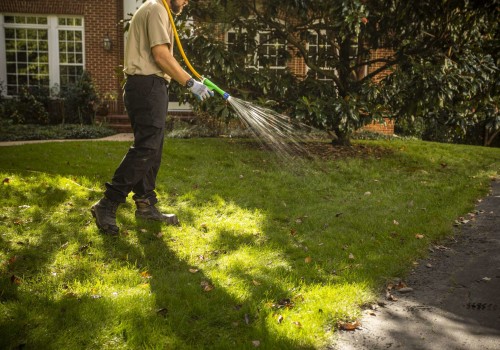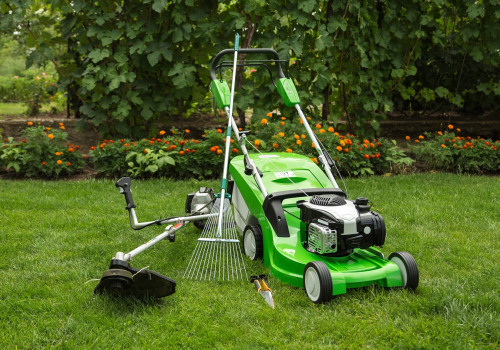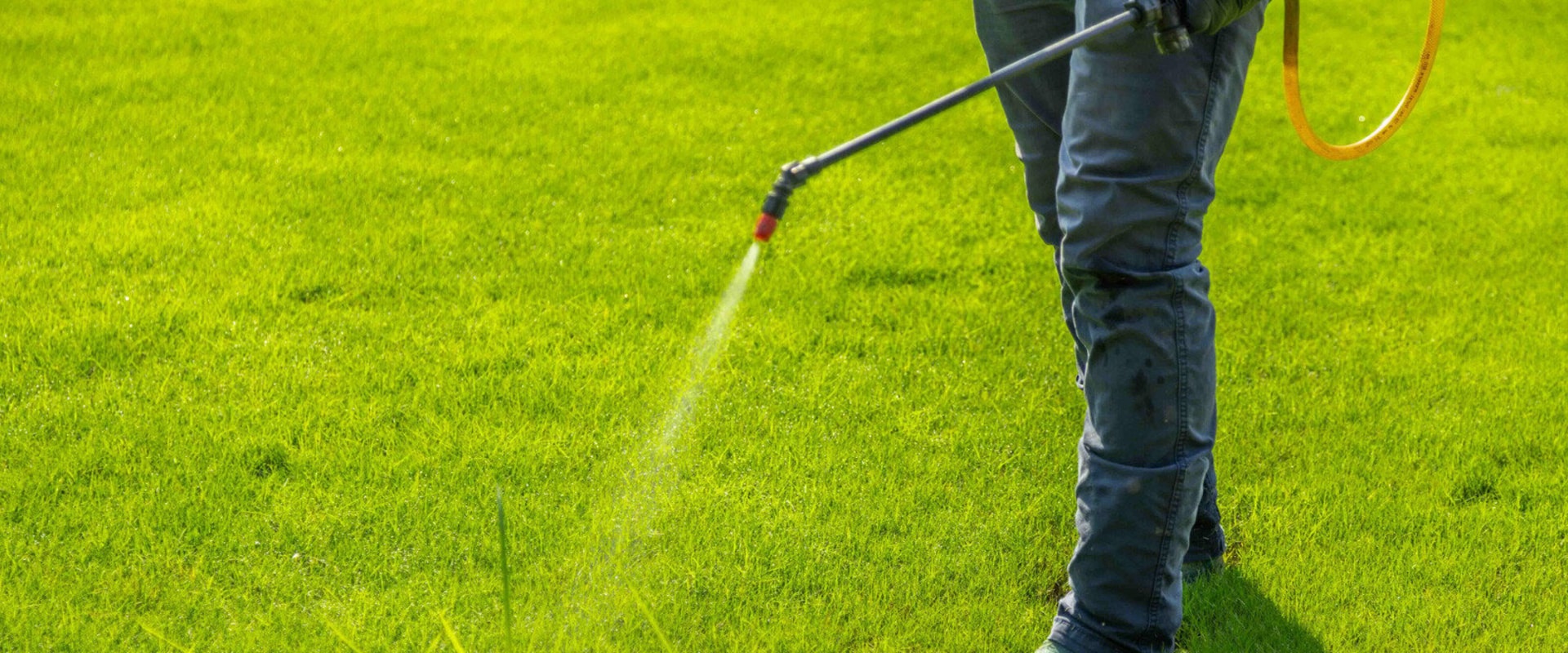
Lawn fertilization is a crucial practice for anyone looking to maintain a vibrant and healthy lawn. It involves the application of essential nutrients that promote grass growth, enhance color, and improve overall resilience against environmental stressors. However, the benefits of lawn fertilization extend beyond just aesthetics; it plays a significant role in controlling weed populations. By providing your grass with the nutrients it needs to thrive, you create a competitive environment that makes it difficult for weeds to establish themselves.Understanding how fertilization affects weed growth is key to effective lawn management.
Weeds often thrive in nutrient-poor soils where grass struggles to grow. When you properly fertilize your lawn, you not only nourish your grass but also help it outcompete common weeds for resources such as light, water, and nutrients. This competitive advantage can significantly reduce the prevalence of unwanted plants, leading to a healthier and more attractive lawn.Moreover, different types of fertilizers can target specific needs of your lawn based on its current condition and the types of weeds present. For instance, a nitrogen-rich fertilizer can promote lush growth in grass while simultaneously stunting the growth of certain broadleaf weeds.
By understanding the relationship between lawn fertilization and weed control, homeowners can make informed decisions that lead to a thriving outdoor space.
The Role of Fertilization in Weed Control
Proper lawn fertilization plays a crucial role in controlling weeds by promoting healthy grass growth, which in turn creates a competitive environment that is less favorable for weed establishment. When grass is well-nourished, it can outcompete weeds for sunlight, water, and nutrients, effectively reducing their chances of survival.How Fertilization Helps Control Weeds
- Nutrient-Rich Soil: Fertilizers provide essential nutrients such as nitrogen, phosphorus, and potassium that are vital for grass health. A nutrient-rich lawn is more resilient and can better withstand stress from environmental factors and weed pressure.
- Thicker Grass Growth: Regular fertilization encourages denser grass growth. Thicker turf leaves less room for weeds to take root, as the grass blades shade the soil and limit the sunlight that weeds need to germinate.
- Improved Root Development: Healthy grass roots can penetrate deeper into the soil, allowing them to access more water and nutrients.
This strong root system makes it difficult for weeds to compete effectively.
Fertilization and Weed Prevention
Timing and type of fertilizer application are also critical in preventing weed growth. For instance, applying a pre-emergent fertilizer in early spring can inhibit the germination of annual weeds while simultaneously feeding the existing grass. Additionally, using slow-release fertilizers ensures that nutrients are available over an extended period, supporting ongoing grass health.
Nutrient Balance and Weeds
A balanced nutrient profile is essential for effective weed control. An excess of certain nutrients, particularly nitrogen, can lead to lush grass growth but may also encourage some weed species to thrive.
Therefore, it’s important to conduct a soil test to determine the specific nutrient needs of your lawn and adjust your fertilization strategy accordingly.In summary, effective lawn fertilization not only enhances the health of your grass but also serves as a proactive measure against weed invasion. By understanding the relationship between nutrient balance and weed growth, homeowners can create a thriving lawn that minimizes the need for chemical weed control methods.
Common Weeds Affected by Lawn Fertilization
Proper lawn fertilization plays a crucial role in managing common weeds that can invade your yard. By providing essential nutrients, you can create a healthier lawn that outcompetes these unwanted plants. Here are some of the most common weeds affected by effective fertilization:- Dandelion (Taraxacum officinale) : This perennial weed is notorious for its bright yellow flowers and deep taproot.
A well-fertilized lawn promotes dense grass growth, making it difficult for dandelions to establish themselves.
- Crabgrass (Digitaria spp.) : A summer annual, crabgrass thrives in thin or stressed lawns. By applying the right fertilizer at the appropriate times, you can encourage robust grass growth that shades out crabgrass seedlings.
- Chickweed (Stellaria media) : This cool-season annual weed flourishes in moist, nutrient-poor soils. Regular fertilization helps improve soil health and grass density, reducing the chances of chickweed taking hold.
- Plantain (Plantago spp.) : Often found in compacted soils, plantain can be controlled by enhancing lawn health through fertilization. A vigorous lawn will outcompete plantain for resources.
- Thistle (Cirsium spp.) : Thistles are aggressive perennials that can invade poorly maintained lawns.
Fertilizing your lawn not only strengthens grass but also helps to suppress thistle growth by improving competition.
Types of Weeds and Their Nutritional Needs
Understanding the types of weeds that invade your lawn is crucial for effective lawn fertilization. Weeds can be categorized into two main types: annual and perennial. Each type has distinct nutritional needs that can be addressed through targeted fertilization strategies.Annual Weeds
Annual weeds, such as crabgrass and foxtail, complete their life cycle within a single growing season.These weeds thrive in nutrient-rich environments, often taking advantage of over-fertilized lawns. They typically require high levels of nitrogen to grow quickly and reproduce. To manage annual weeds effectively, it’s essential to:
- Monitor nitrogen levels: Excessive nitrogen can promote the growth of annual weeds. Use a balanced fertilizer to maintain optimal nutrient levels.
- Apply pre-emergent herbicides: Timing is critical; applying these herbicides before the seeds germinate can prevent annual weeds from establishing.
Perennial Weeds
Perennial weeds, such as dandelions and clover, return year after year and often have deeper root systems.These weeds can be more challenging to control because they can store nutrients in their roots. Their nutritional needs vary, but they generally benefit from:
- Phosphorus and potassium: These nutrients support root development and overall plant health, making it harder for perennials to compete.
- Cultural practices: Maintaining a healthy lawn through proper watering and mowing can help outcompete perennial weeds.
Best Practices for Lawn Fertilization to Control Weeds
To effectively control weeds through lawn fertilization, it is essential to adopt best practices that enhance the health of your grass while minimizing the opportunity for weeds to thrive. Here are some key strategies:Timing of Fertilization
The timing of your fertilization plays a crucial role in weed control.Generally, the best times to fertilize your lawn are:
- Early Spring: Apply a slow-release fertilizer as the grass begins to grow. This helps establish a strong root system and outcompetes early germinating weeds.
- Late Spring: A second application can be beneficial, especially if you are using a fertilizer with pre-emergent herbicides that target annual weeds like crabgrass.
- Fall: Fertilizing in the fall strengthens the grass for winter and promotes recovery in spring, making it harder for weeds to establish.
Types of Fertilizers for Weed Control
Selecting the right type of fertilizer is vital for effective weed management. Consider these options:- Slow-Release Fertilizers: These provide nutrients gradually, ensuring that your lawn remains healthy over time and reducing the chances of weed growth.
- Organic Fertilizers: Made from natural materials, these can improve soil health and promote a robust lawn that can better resist weeds.
- Fertilizers with Pre-Emergent Herbicides: These products prevent weed seeds from germinating and are particularly effective against annual weeds.
Application Techniques
The method of application can also impact the effectiveness of your lawn fertilization. Here are some tips:- Even Distribution: Use a broadcast spreader to ensure even coverage, which helps avoid patches where weeds can take hold.
- Avoid Over-Fertilizing: Too much fertilizer can lead to excessive growth, making your lawn more susceptible to pests and diseases, as well as encouraging weed proliferation.
Frequently Asked Questions about Lawn Fertilization and Weeds
When it comes to lawn fertilization, many homeowners have questions about its role in controlling weeds.Here are some frequently asked questions that can help clarify this important topic.
How does lawn fertilization help prevent weeds?
Proper lawn fertilization promotes healthy grass growth, which can outcompete weeds for nutrients, sunlight, and water. A thick, lush lawn is less susceptible to weed invasion. Additionally, fertilization helps strengthen the root system of your grass, making it more resilient against weed encroachment.What types of weeds can be controlled with fertilization?
While fertilization alone may not eliminate all weeds, it can significantly reduce the prevalence of common types such as:- Dandelions: These perennial weeds thrive in weak lawns. A well-fertilized lawn can help grass grow thicker and shade out dandelions.
- Clover: Often seen as a nuisance, clover can be minimized by maintaining a healthy nitrogen balance in your soil through proper fertilization.
- Crabgrass: This annual weed germinates in bare spots.
Fertilizing your lawn encourages dense growth that leaves little room for crabgrass to establish.
- Chickweed: Fertilized lawns are better equipped to resist this fast-growing weed, as healthy grass can outcompete it for resources.
Can I use fertilizer to control existing weeds?
While fertilizer is primarily used to promote grass health, it can indirectly help control existing weeds by enhancing the overall vigor of your lawn. However, for established weeds, a targeted approach using herbicides may be necessary alongside proper fertilization practices.What is the best time to fertilize for weed control?
The timing of your lawn fertilization is crucial. Early spring and fall are ideal times for fertilizing cool-season grasses, while late spring and summer work best for warm-season varieties. Fertilizing during these periods helps your grass grow strong and healthy, making it more competitive against weeds.In summary, understanding the relationship between lawn fertilization and weed control can empower homeowners to maintain a healthier lawn while minimizing weed problems effectively.Conclusion: The Importance of Proper Lawn Care in Weed Management
In conclusion, proper lawn care is essential for effective weed management, and lawn fertilization plays a pivotal role in this process.By understanding the relationship between nutrient availability and weed growth, homeowners can take proactive steps to cultivate a healthy lawn that naturally suppresses unwanted plants. Weeds such as dandelions, crabgrass, and clover thrive in nutrient-deficient soils. When lawns are adequately fertilized, they develop a robust root system and dense turf that can outcompete these invasive species. Regular fertilization not only provides essential nutrients but also enhances the overall resilience of the grass. Moreover, timing is crucial. Applying fertilizers at the right time of year—typically in early spring and fall—ensures that grass has the nutrients it needs during its peak growth periods.
This strategy not only promotes healthy grass but also minimizes the chances of weed establishment. Additionally, incorporating soil testing into your lawn care routine can help identify specific nutrient deficiencies, allowing for targeted fertilization strategies. This tailored approach not only improves grass health but also reduces the likelihood of weeds taking hold. Ultimately, a well-fertilized lawn is your best defense against common weeds. By prioritizing proper lawn care practices, including regular fertilization, homeowners can enjoy a lush, green yard that is less susceptible to weed invasion.