Lawn fertilization is a crucial aspect of maintaining a vibrant and healthy lawn. It involves the application of nutrients to the soil to promote optimal grass growth and resilience against pests and diseases. Understanding lawn fertilization is essential for any homeowner or landscaper looking to achieve a lush, green yard that enhances the overall aesthetic of their property. At its core, lawn fertilization provides essential nutrients such as nitrogen, phosphorus, and potassium, which are vital for grass health. These nutrients support various functions, including root development, leaf growth, and disease resistance.
Without proper fertilization, lawns can become weak, thin, and susceptible to environmental stressors. This not only affects the appearance of your lawn but can also lead to long-term damage that may require extensive restoration efforts. The benefits of lawn fertilization extend beyond mere aesthetics. A well-fertilized lawn can improve soil structure, enhance water retention, and promote biodiversity by supporting beneficial microorganisms in the soil. Additionally, regular fertilization can reduce the need for chemical pesticides by fostering a robust ecosystem that naturally combats pests.
By investing in proper lawn care practices, homeowners can enjoy a thriving outdoor space that serves as a sanctuary for relaxation and recreation.
Factors Influencing Fertilization Frequency
When it comes to lawn fertilization, several key factors influence how often you should apply fertilizer to achieve a lush, healthy lawn. Understanding these factors can help you tailor your fertilization schedule to meet the specific needs of your grass.- Grass Type: Different types of grass have varying nutrient requirements. For instance, cool-season grasses like Kentucky bluegrass thrive with more frequent fertilization in the spring and fall, while warm-season grasses such as Bermuda may require more during the summer months. Knowing your grass type is essential for effective lawn care.
- Climate: The local climate plays a significant role in determining fertilization frequency.
In regions with harsh winters, lawns may need less fertilizer during the colder months, while areas with mild winters might benefit from year-round fertilization. Additionally, rainfall patterns can affect nutrient leaching, necessitating adjustments in your fertilization schedule.
- Soil Quality: Conducting a soil test can provide valuable insights into nutrient levels and pH balance. If your soil is nutrient-rich, you may not need to fertilize as often. Conversely, poor soil quality may require more frequent applications to ensure your lawn receives adequate nutrients.
- Lawn Usage: The amount of foot traffic your lawn endures can also dictate how often you should fertilize.
High-traffic areas may deplete nutrients faster and require more frequent applications to maintain health and vigor.
Types of Fertilizers and Their Application Rates
When it comes to lawn fertilization, understanding the different types of fertilizers available and their appropriate application rates is crucial for achieving a lush, healthy lawn. Fertilizers can be broadly categorized into two main types: organic and synthetic.Organic Fertilizers
Organic fertilizers are derived from natural sources such as plant or animal matter. They improve soil health by enhancing its structure and increasing microbial activity. Common examples include:- Compost: A rich source of nutrients that also improves soil texture.
- Manure: Provides a slow release of nutrients and enhances soil fertility.
- Bone meal: High in phosphorus, promoting root development.
Synthetic Fertilizers
Synthetic fertilizers are chemically manufactured and provide nutrients in a more concentrated form.They are often faster-acting than organic options. Common types include:
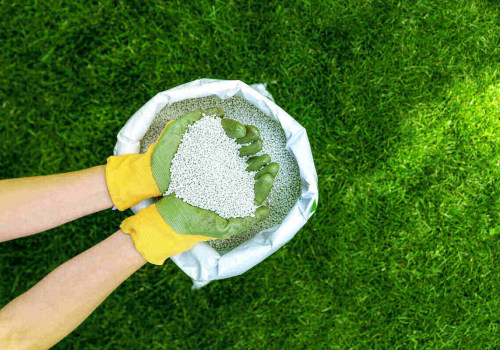
- Granular fertilizers: Easy to apply and can be spread evenly across the lawn.
- Liquid fertilizers: Quick absorption by grass, ideal for rapid greening.
Seasonal Fertilization Schedule
Understanding the seasonal lawn care schedule is crucial for effective lawn fertilization. Each season presents unique challenges and opportunities for your lawn's growth, and timing your fertilization can significantly impact its health and appearance.Spring Fertilization
As temperatures begin to rise in spring, your lawn starts to wake up from its winter dormancy.This is the ideal time for the first round of fertilization. Applying a balanced fertilizer in early spring, typically between March and April, helps to promote vigorous growth. Look for fertilizers high in nitrogen to encourage lush green grass.
Summer Fertilization
During the summer months, your lawn may experience stress due to heat and drought. Fertilizing in early summer, around June, can help maintain its health.However, it’s essential to choose a slow-release fertilizer to prevent burning the grass. Additionally, consider a second application in late summer if your lawn shows signs of nutrient deficiency.
Fall Fertilization
Fall is one of the most critical times for lawn fertilization. As temperatures cool down, grass roots continue to grow, making this an excellent time for a final feeding. Apply a high-potassium fertilizer in September or October to strengthen roots and prepare your lawn for winter.This will not only enhance its resilience against cold weather but also promote early spring growth.In summary, adhering to a seasonal fertilization schedule—spring, summer, and fall—ensures that your lawn receives the nutrients it needs at the right times. By following these guidelines, you can achieve a healthy and vibrant lawn year-round.
Signs Your Lawn Needs Fertilization
Recognizing the signs that your lawn needs fertilization is crucial for maintaining a healthy and vibrant yard. Here are some key indicators to look out for:- Color Changes: One of the most noticeable signs is a change in color. If your grass appears yellowish or pale green, it may be lacking essential nutrients, particularly nitrogen.
- Slow Growth: If your lawn is growing slower than usual, it could indicate a nutrient deficiency.
Healthy grass should grow consistently, so a sudden slowdown can be a red flag.
- Thin or Sparse Areas: Areas of your lawn that are thin or sparse may not be receiving adequate nutrients. These patches can become more pronounced during dry spells or extreme weather conditions.
- Weed Proliferation: An increase in weeds can signal that your lawn is not healthy enough to compete with them. Weeds often thrive in nutrient-poor soil, so if you notice more weeds than usual, it might be time to fertilize.
- Pest Infestation: A weak lawn is more susceptible to pests. If you find an increase in insect activity, it could be due to a lack of nutrients that make your grass less resilient.
By addressing nutrient deficiencies promptly, you can promote healthier growth and enhance the overall appearance of your yard.
Common Mistakes in Lawn Fertilization
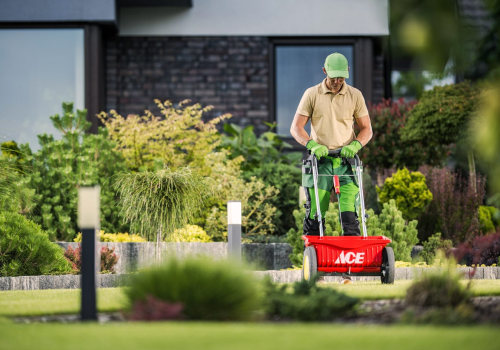
When it comes to lawn fertilization, many homeowners inadvertently make mistakes that can hinder their lawn's health and growth. Understanding these common errors is crucial for achieving a lush, green lawn.- Over-fertilizing: One of the most prevalent mistakes is applying too much fertilizer. This can lead to nutrient burn, which damages grass roots and creates an unhealthy lawn. To avoid this, always follow the recommended application rates on the fertilizer package and consider using a spreader for even distribution.
- Ignoring soil tests: Many homeowners skip soil testing, which is essential for understanding the specific nutrient needs of their lawn.
A soil test can reveal pH levels and nutrient deficiencies, allowing for more targeted lawn fertilization. Regular testing every few years can help maintain optimal soil health.
- Fertilizing at the wrong time: Timing is critical in lawn care. Fertilizing during extreme temperatures or when the grass is dormant can be counterproductive. It's best to fertilize during the growing season when the grass can effectively utilize the nutrients.
- Neglecting to water: Fertilizer needs moisture to activate and be absorbed by the grass.
Failing to water after application can lead to uneven nutrient uptake. Always water your lawn after fertilizing to ensure that nutrients penetrate the soil.
Frequently Asked Questions about Lawn Fertilization
When it comes to lawn fertilization, many homeowners have questions about the best practices and timing. Here are some of the most frequently asked questions:- How often should I fertilize my lawn?The frequency of lawn fertilization largely depends on the type of grass you have and your local climate.
Generally, cool-season grasses benefit from fertilization in early spring and fall, while warm-season grasses thrive with applications in late spring and summer. A good rule of thumb is to fertilize every 6 to 8 weeks during the growing season.
- What type of fertilizer should I use?There are two main types of fertilizers: synthetic and organic. Synthetic fertilizers provide quick results but can lead to nutrient runoff, while organic options improve soil health over time. Consider a balanced fertilizer with a ratio like 10-10-10 for general use, or tailor your choice based on soil tests.
- Is it necessary to water after fertilizing?Yes, watering your lawn after applying fertilizer is crucial.
It helps to activate the nutrients and ensures they penetrate the soil effectively. Aim for about half an inch of water within 24 hours after application.
- Can I fertilize my lawn in the winter?Fertilizing in winter is generally not recommended for most regions, as grass is dormant and won’t utilize the nutrients effectively. However, a late fall application can help prepare your lawn for spring growth.
- What are the signs that my lawn needs fertilization?Look for signs such as yellowing grass, slow growth, or bare patches. If your lawn appears unhealthy or lacks vibrancy, it may be time for a nutrient boost.
Conclusion: Achieving a Healthy Lawn Through Proper Fertilization Practices
In conclusion, achieving a healthy lawn through proper lawn fertilization practices is essential for promoting vibrant growth and resilience against pests and diseases.Throughout this article, we have explored the various factors that influence how often a lawn should be fertilized, including grass type, climate, and soil conditions. To summarize:
- Understanding Grass Types: Different grass species have unique nutritional needs. Cool-season grasses typically require fertilization in early spring and fall, while warm-season grasses benefit from fertilization in late spring and summer.
- Soil Testing: Conducting a soil test is crucial to determine nutrient deficiencies and pH levels. This information helps tailor your fertilization schedule to meet the specific needs of your lawn.
- Seasonal Considerations: Timing is key. Fertilizing at the right time of year ensures that nutrients are available when your grass needs them most, promoting healthy growth.
- Application Techniques: Proper application methods, such as using a spreader and following recommended rates, can prevent over-fertilization, which can harm your lawn and the environment.
Remember that consistency is vital; regular monitoring and adjustments based on seasonal changes will lead to long-term success in maintaining a thriving lawn.