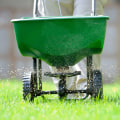
Lawn fertilization is a crucial practice for maintaining a vibrant and healthy lawn. It involves the application of nutrients to the soil to promote grass growth, enhance color, and improve overall resilience against pests and diseases. Understanding lawn fertilization is essential for homeowners who wish to cultivate a lush green space that not only enhances curb appeal but also contributes positively to the environment. The importance of lawn fertilization cannot be overstated. Properly nourished grass can better withstand drought, resist weeds, and recover from wear and tear.
However, traditional fertilization methods often rely on synthetic chemicals that can have detrimental effects on local ecosystems. These chemicals can leach into waterways, causing pollution and harming aquatic life. As awareness of these environmental impacts grows, many homeowners are seeking more sustainable alternatives. In this context, exploring environmentally-friendly options for lawn fertilization becomes imperative. By choosing organic or natural fertilizers, homeowners can nourish their lawns while minimizing harm to the environment.
This shift not only supports healthier soil and grass but also promotes biodiversity in the surrounding area. As we delve deeper into this topic, we will uncover various eco-friendly fertilization methods that align with both aesthetic goals and environmental stewardship.
The Environmental Impact of Conventional Lawn Fertilizers
Conventional lawn fertilizers, while effective in promoting lush green grass, often come with significant environmental impacts that cannot be overlooked. The primary concern lies in the use of synthetic chemicals, which can lead to a range of detrimental effects on both local ecosystems and broader environmental health.Water Pollution
- When it rains, excess fertilizers can wash off lawns and enter nearby water bodies, leading to nutrient runoff. This runoff is a major contributor to water pollution, causing algal blooms that deplete oxygen levels in the water and harm aquatic life.
- The presence of nitrogen and phosphorus from these fertilizers can create dead zones in lakes and rivers, where fish and other organisms struggle to survive due to low oxygen levels.
Soil Degradation
- Over time, the continuous application of chemical fertilizers can degrade soil health.
These products often disrupt the natural microbial communities essential for nutrient cycling and soil structure.
- As beneficial microorganisms decline, soil becomes less fertile, leading to a dependency on even more fertilizers to achieve the same results, creating a vicious cycle.
Impact on Biodiversity
- The chemicals used in conventional fertilizers can also affect local wildlife. Birds, insects, and other organisms may be harmed by exposure to these substances, leading to a decline in biodiversity.
- This loss of biodiversity can have cascading effects on ecosystems, as each species plays a crucial role in maintaining ecological balance.
Organic Lawn Fertilizers: A Sustainable Choice
When it comes to lawn fertilization, choosing organic options can significantly enhance the health of your lawn while being environmentally responsible. Organic lawn fertilizers are derived from natural sources, making them a sustainable choice that promotes soil health and reduces chemical runoff.Benefits of Organic Fertilizers
One of the primary advantages of using organic fertilizers is their ability to improve soil structure and fertility over time.Unlike synthetic fertilizers, which can lead to nutrient leaching and soil degradation, organic options:
- Enhance Soil Microbiology: Organic fertilizers support beneficial microorganisms in the soil, which play a crucial role in nutrient cycling.
- Improve Water Retention: They help retain moisture in the soil, reducing the need for frequent watering.
- Provide Slow-Release Nutrients: Organic fertilizers release nutrients gradually, ensuring that your lawn receives a steady supply of nourishment.
- Reduce Chemical Exposure: By opting for organic, you minimize the risk of chemical exposure to pets, children, and local wildlife.
Types of Organic Fertilizers
There are several types of organic fertilizers available, each with unique benefits:- Compost: A rich source of nutrients created from decomposed organic matter, compost improves soil structure and fertility.
- Manure: Animal manure is an excellent source of nitrogen and other essential nutrients. Ensure it is well-composted to avoid pathogens.
- Bone Meal: This slow-release fertilizer is high in phosphorus, promoting strong root development and flowering.
- Fish Emulsion: A liquid fertilizer that provides a quick nutrient boost, fish emulsion is rich in nitrogen and trace minerals.
- Kelp Meal: Derived from seaweed, kelp meal contains micronutrients that enhance plant growth and resilience against stress.
Natural Lawn Care Practices to Enhance Soil Fertility
Enhancing soil fertility through natural lawn care practices is a sustainable approach that not only benefits your lawn but also the environment. By utilizing methods such as composting, mulching, and cover cropping, you can create a thriving ecosystem in your yard.Composting for Lawns
Composting is one of the most effective ways to enrich your soil naturally.By recycling kitchen scraps, yard waste, and other organic materials, you can produce nutrient-rich compost that improves soil structure and fertility. To start composting:
- Choose a compost bin or pile in a well-drained area.
- Layer green materials (like grass clippings and vegetable scraps) with brown materials (such as dried leaves and cardboard).
- Turn the pile regularly to aerate it and speed up decomposition.
Mulching
Mulching is another excellent practice that helps retain moisture, suppress weeds, and gradually enrich the soil as it breaks down. Grass clippings, shredded leaves, and straw can all serve as effective mulch. When mowing your lawn, consider leaving the clippings on the grass to decompose naturally.This not only returns nutrients to the soil but also reduces the need for additional fertilizers.
Cover Crops
Cover crops, such as clover or ryegrass, can be planted during off-seasons to prevent soil erosion and enhance fertility. These plants fix nitrogen in the soil and improve its structure when tilled under before planting your main lawn. This practice not only boosts nutrient levels but also promotes biodiversity in your garden.By incorporating these natural lawn care practices, you can significantly enhance soil fertility while minimizing environmental impact. Embracing these holistic approaches will lead to a healthier lawn and a more sustainable ecosystem in your backyard.DIY Lawn Fertilizer Recipes Using Household Ingredients
Creating your own lawn fertilizer at home can be both economical and environmentally friendly.Here are some simple recipes using common household ingredients that will nourish your lawn without the use of harsh chemicals.
Coffee Grounds Fertilizer
Coffee grounds are rich in nitrogen, making them an excellent addition to your lawn care routine. To use:- Collect used coffee grounds from your coffee maker.
- Spread the grounds evenly over your lawn, or mix them into your compost pile.
- Water the area lightly to help the nutrients seep into the soil.
Banana Peel Fertilizer
Banana peels are packed with potassium, which is essential for plant growth. Here’s how to utilize them:- Chop banana peels into small pieces.
- Bury the pieces in the soil around your plants or lawn.
- Alternatively, soak banana peels in water for a few days and use the water to fertilize your lawn.
Epsom Salt Solution
Epsom salt contains magnesium and sulfur, both of which promote healthy grass growth. To create an Epsom salt solution:- Dissolve 1 tablespoon of Epsom salt in a gallon of water.
- Spray or pour this solution onto your lawn every month for optimal results.
Compost Tea
If you have a compost pile, you can make a nutrient-rich fertilizer known as compost tea:- Fill a bucket with finished compost.
- Add water and let it steep for 24-48 hours.
- Strain the liquid and use it to water your lawn, providing a boost of nutrients.
By incorporating these easy recipes into your lawn care routine, you can achieve a lush, green lawn while being kind to the planet.
The Role of Soil Testing in Eco-Friendly Lawn Care
Understanding the nutrient needs of your lawn is crucial for effective and environmentally-friendly lawn fertilization. One of the best ways to achieve this is through soil testing. By analyzing the composition of your soil, you can determine its pH level and nutrient content, which are essential for making informed decisions about fertilization.Importance of Soil Testing
- Avoid Over-Fertilization: Many homeowners apply fertilizers without knowing their soil's specific needs, leading to excess nutrients that can harm the environment. Soil testing helps prevent this by providing precise information on what your lawn actually requires.
- Enhance Soil Health: Healthy soil is the foundation of a thriving lawn.
Testing allows you to identify deficiencies in essential nutrients like nitrogen, phosphorus, and potassium, enabling you to amend your soil accordingly.
- Promote Sustainable Practices: By understanding your soil's health, you can adopt more sustainable lawn care practices. This not only benefits your lawn but also reduces runoff and pollution in local waterways.
How to Test Soil Health
- Collect Soil Samples: Use a clean tool to gather samples from various spots in your lawn. Aim for a depth of about 4-6 inches.
- Send Samples to a Lab: Many local agricultural extensions or private labs offer soil testing services. Follow their guidelines for sample submission.
- Analyze Results: Once you receive your results, review them carefully.
Look for pH levels and nutrient concentrations to understand what amendments may be necessary.
Frequently Asked Questions About Eco-Friendly Lawn Fertilization
When it comes to eco-friendly lawn fertilization, many homeowners have questions about the best practices and products to use. Here are some frequently asked questions that can help clarify your understanding of sustainable lawn care.What are the benefits of using organic fertilizers?
Organic fertilizers are derived from natural sources, such as plant or animal matter. They improve soil health by enhancing its structure and increasing microbial activity.This leads to better nutrient absorption and promotes a more resilient lawn. Additionally, organic fertilizers release nutrients slowly, reducing the risk of runoff and water pollution.
Can I make my own lawn fertilizer?
Absolutely! Homemade fertilizers can be both effective and environmentally friendly. Common ingredients include:- Compost: Rich in nutrients, compost improves soil quality and provides a slow-release source of fertilizer.
- Grass clippings: Leaving clippings on the lawn after mowing can return nitrogen to the soil.
- Eggshells: Crushed eggshells add calcium to the soil, which is essential for plant growth.
How often should I fertilize my lawn?
The frequency of fertilization depends on your grass type and local climate. Generally, a good rule of thumb is to fertilize your lawn 2-4 times a year.However, using organic options may allow for less frequent applications due to their slow-release nature.
Are there any risks associated with synthetic fertilizers?
Synthetic fertilizers can lead to nutrient runoff, which contaminates waterways and harms aquatic life. They may also disrupt soil health by killing beneficial microorganisms. By choosing eco-friendly lawn fertilization methods, you can mitigate these risks and promote a healthier ecosystem.Incorporating these sustainable practices into your lawn care routine not only benefits your yard but also contributes positively to the environment. By being informed and proactive, you can enjoy a lush lawn while minimizing your ecological footprint.Conclusion: Embracing Sustainable Lawn Care Practices
In conclusion, adopting environmentally-friendly lawn fertilization methods is not just a trend but a necessary shift towards sustainable lawn care.As we have explored, traditional chemical fertilizers can pose significant risks to both our health and the environment. By embracing organic alternatives, we can cultivate healthier lawns while also protecting our ecosystems.Utilizing options such as compost, natural fertilizers, and cover crops not only enriches the soil but also promotes biodiversity. These practices help in maintaining soil health, reducing runoff, and minimizing pollution. Moreover, they contribute to a more resilient lawn that can withstand pests and diseases without the need for harmful chemicals.Furthermore, implementing practices like mulching and integrated pest management can enhance the effectiveness of your fertilization efforts while ensuring that your lawn remains vibrant and lush.
By choosing to go green with your lawn care, you are making a positive impact on the environment.Ultimately, the transition to sustainable lawn fertilization is a step towards a healthier planet. It encourages us to think critically about our choices and their long-term effects on our surroundings. As homeowners and caretakers of our green spaces, we have the power to influence change by adopting these eco-friendly practices.Let us commit to nurturing our lawns in ways that are not only beneficial for our immediate environment but also for future generations. Together, we can create beautiful landscapes that thrive in harmony with nature.