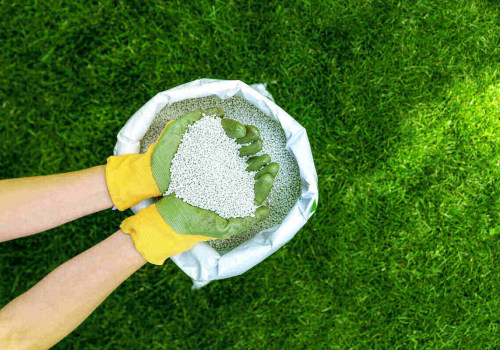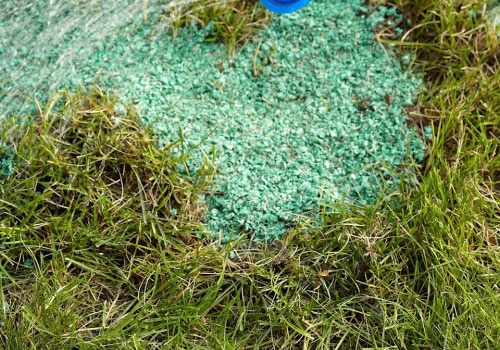
Lawn fertilization is a crucial practice for maintaining a vibrant and healthy lawn. It involves the application of nutrients that are essential for grass growth, helping to enhance not only the health of the turf but also its overall appearance. A well-fertilized lawn can be the centerpiece of your outdoor space, providing a lush, green carpet that invites relaxation and play. Understanding the significance of lawn fertilization is key to achieving the lawn of your dreams. The benefits of fertilizing your lawn extend beyond mere aesthetics.
Proper fertilization promotes deeper root growth, improves drought resistance, and enhances the lawn's ability to fend off pests and diseases. By supplying essential nutrients like nitrogen, phosphorus, and potassium, you are essentially giving your grass the tools it needs to thrive. This not only leads to a more resilient lawn but also contributes to a healthier ecosystem in your yard. Moreover, why fertilize your lawn? The answer lies in the balance of nutrients that grass requires for optimal growth. Without adequate fertilization, lawns can become thin, patchy, and susceptible to weeds.
Regularly scheduled fertilization helps to replenish these nutrients, ensuring that your lawn remains lush and green throughout the growing season. In essence, investing in lawn fertilization is an investment in the long-term health and beauty of your outdoor space.
Factors Influencing Fertilizer Effectiveness
When it comes to lawn fertilization, several key factors can significantly influence how quickly you see results. Understanding these factors can help you optimize your fertilization strategy for a healthier lawn.Soil Type
The type of soil in your yard plays a crucial role in how effectively fertilizer is absorbed and utilized by grass. For instance, sandy soils drain quickly and may require more frequent applications of fertilizer to maintain nutrient levels.In contrast, clay soils retain moisture and nutrients but can become compacted, making it harder for grass roots to access them. Therefore, knowing your soil type can help you adjust your fertilization approach accordingly.
Weather Conditions
Weather conditions are another significant factor affecting fertilizer results.Temperature
, humidity, and precipitation all play a role in how quickly fertilizer acts. Warm temperatures and adequate moisture can accelerate the breakdown of fertilizer, leading to quicker results.Conversely, extreme heat or drought conditions can slow down the process, as grass may enter a dormant state and absorb nutrients less effectively.
Grass Type
The specific type of grass in your lawn also influences how quickly you will see the effects of fertilization. Cool-season grasses, such as Kentucky bluegrass, thrive in spring and fall, while warm-season grasses like Bermuda grass flourish in summer. Each type has different nutrient needs and growth patterns, which can affect how soon you notice improvements after applying fertilizer. In summary, understanding the interplay between soil type, weather conditions, and grass type is essential for effective lawn fertilization. By considering these factors, you can tailor your fertilization schedule to achieve optimal results and enjoy a lush, green lawn more quickly.Types of Fertilizers and Their Impact on Results
When it comes to lawn fertilization, understanding the different types of fertilizers available can significantly impact the timeline for seeing results.Each type has its own characteristics that influence how quickly nutrients are made available to your lawn.
Quick-Release Fertilizers
Quick-release fertilizers are designed to provide an immediate boost of nutrients to your lawn. These fertilizers dissolve rapidly in water, allowing grass to absorb the nutrients almost instantly. As a result, you can expect to see visible improvements in your lawn's color and growth within just a few days after application. However, the effects of quick-release fertilizers are short-lived, typically lasting only a few weeks before another application is necessary.Slow-Release Fertilizers
In contrast, slow-release fertilizers release nutrients gradually over an extended period, often several weeks to months.This type of fertilizer is ideal for providing a steady supply of nutrients, which helps promote sustained growth and health in your lawn. While you may not see immediate results as with quick-release options, the long-term benefits can lead to a more resilient and lush lawn. Typically, noticeable changes may take anywhere from two to six weeks after application.
Organic vs. Synthetic Fertilizers
The choice between organic and synthetic fertilizers also plays a crucial role in how quickly results can be observed.Organic fertilizers, derived from natural sources such as compost or manure, tend to release nutrients more slowly than their synthetic counterparts. While they improve soil health and structure over time, visible results may take longer—often several weeks or even months.Synthetic fertilizers, on the other hand, are chemically formulated to provide nutrients quickly and efficiently. They can deliver rapid results similar to quick-release fertilizers but may not contribute as positively to soil health in the long run.In summary, the type of fertilizer you choose for your lawn will significantly affect how soon you can expect to see results. Quick-release options offer immediate gratification, while slow-release and organic fertilizers provide longer-lasting benefits that contribute to overall lawn health.
Typical Timeframes for Fertilizer Results
When it comes to lawn fertilization, understanding the typical timeframes for fertilizer results is crucial for homeowners eager to achieve a lush, green lawn.Generally, the timeline for seeing results can vary based on several factors, including the type of fertilizer used, the grass species, and environmental conditions.
Immediate to Short-Term Results
In many cases, homeowners can expect to see some initial results within 1 to 2 weeks after applying a quick-release fertilizer. This type of fertilizer is designed to provide an immediate nutrient boost, leading to noticeable changes in lawn color and growth. During this period, you may observe:- Greener grass: The lawn may start to appear more vibrant as nutrients are absorbed.
- Increased growth: Grass blades may grow taller and thicker.
Medium-Term Results
If you opt for a slow-release fertilizer, the results may take a bit longer to manifest. Typically, you can expect to see significant improvements in your lawn's health within 4 to 6 weeks.During this timeframe, the gradual release of nutrients allows for:
- Stronger root systems: The roots will develop more robustly, enhancing drought resistance.
- Improved overall health: The lawn will become more resilient against pests and diseases.
Long-Term Results
For those looking for sustained growth and health, regular fertilization throughout the growing season is key. After multiple applications over several months, typically by the end of the growing season (around 8 to 12 weeks), you should notice:- Dense turf: A fuller lawn that can withstand foot traffic and environmental stressors.
- Enhanced color and texture: A rich green color and a soft texture that enhances curb appeal.
Signs That Fertilizer is Working
When it comes to lawn fertilization, understanding the signs that indicate your fertilizer is working can help you gauge the health of your lawn. Here are some key indicators to look for:- Color Change: One of the most noticeable signs is a change in color.
A healthy lawn will exhibit a rich, vibrant green hue after fertilization. If your grass starts to look greener within a week or two, it’s a good indication that the fertilizer is taking effect.
- Growth Rate: Another clear sign is an increase in growth rate. After applying fertilizer, you may notice that your grass grows faster than usual. This can manifest as taller blades or a thicker lawn overall.
- Root Development: Healthy roots are essential for a thriving lawn.
If you dig a small hole and observe robust, white roots, this indicates that the fertilizer is promoting strong root growth, which is crucial for nutrient absorption.
- Resistance to Stress: A well-fertilized lawn will show improved resilience against environmental stressors such as drought or pests. If your grass appears to withstand these challenges better than before, it’s likely benefiting from the nutrients provided by the fertilizer.
Common Mistakes in Lawn Fertilization
When it comes to lawn fertilization, many homeowners make common mistakes that can hinder the growth and health of their lawns.Understanding these pitfalls is crucial for achieving a lush, green yard.
Over-Fertilizing Your Lawn
One of the most prevalent mistakes is over-fertilizing. Applying too much fertilizer can lead to a rapid growth spurt, but it often results in weak grass that is more susceptible to disease and pests. Additionally, excess fertilizer can cause nutrient runoff, which not only harms your lawn but also the surrounding environment. To avoid this, always follow the recommended application rates on the fertilizer package and consider using a spreader for even distribution.Under-Fertilizing Your Lawn
On the flip side, under-fertilizing can also be detrimental.If your lawn lacks essential nutrients, it may appear pale or thin, and its growth will be stunted. To ensure your lawn receives adequate nutrition, conduct a soil test to determine nutrient levels and pH balance. This will help you choose the right type of fertilizer and application schedule.
Ignoring Timing and Weather Conditions
Another common mistake is neglecting the timing of fertilization. Applying fertilizer during extreme weather conditions—such as intense heat or heavy rain—can reduce its effectiveness.Ideally, fertilize during the growing season when your grass is actively absorbing nutrients. Early spring and fall are typically the best times for most grass types.
Not Following Up with Watering
Finally, failing to water your lawn after fertilization can lead to poor results. Watering helps to activate the fertilizer and allows nutrients to penetrate the soil effectively. Aim to water your lawn lightly after applying fertilizer to ensure that it reaches the root zone.By avoiding these common mistakes in lawn fertilization, you can promote a healthier lawn that thrives throughout the seasons.Frequently Asked Questions About Lawn Fertilization Timing
When it comes to lawn fertilization, timing is crucial for achieving the best results.Here are some frequently asked questions regarding the timing of lawn fertilization:
How long does it take for fertilizer to show results?
Typically, you can expect to see noticeable results from lawn fertilization within 1 to 3 weeks after application. However, this can vary based on several factors including the type of fertilizer used, the grass type, and environmental conditions such as temperature and moisture levels.How often should I fertilize my lawn?
The frequency of lawn fertilization largely depends on the type of grass and the specific fertilizer you are using. Generally, a good rule of thumb is to fertilize your lawn:- Cool-season grasses: 2 to 4 times a year, typically in early spring and fall.
- Warm-season grasses: 2 to 3 times a year, usually in late spring and summer.
What is the best time to fertilize my lawn?
The best time for lawn fertilization depends on your grass type:- Cool-season grasses: Fertilize in early spring (April) and again in fall (September to October) when the grass is actively growing.
- Warm-season grasses: Fertilize in late spring (May) and throughout summer (June to August) when temperatures are warmer.
Conclusion: Key Takeaways on Lawn Fertilization Timing
In summary, understanding the timing of lawn fertilization is crucial for achieving a lush, green lawn. The results of fertilization can vary based on several factors, including the type of fertilizer used, the grass species, and environmental conditions. Typically, you can expect to see noticeable changes in your lawn within 2 to 4 weeks after applying fertilizer.However, this timeframe can be influenced by:
- Type of Fertilizer: Quick-release fertilizers may show results faster than slow-release options.
- Grass Type: Cool-season grasses often respond differently than warm-season grasses to fertilization.
- Weather Conditions: Adequate moisture and temperature play significant roles in nutrient absorption.
- Soil Testing: Conduct a soil test to determine nutrient deficiencies and pH levels before applying fertilizer.
- Timing: Fertilize during the optimal growing season for your specific grass type.
- Application Method: Use a spreader for even distribution and avoid over-fertilizing, which can harm your lawn.