Lawn fertilization is a crucial practice in maintaining a vibrant and healthy lawn. It involves the application of essential nutrients to the soil, which in turn nourishes the grass and promotes robust growth. Understanding what lawn fertilization entails is key for any homeowner or landscaper looking to achieve a lush, green yard. At its core, lawn fertilization is about providing the right balance of nutrients—primarily nitrogen, phosphorus, and potassium—that grass needs to thrive.The definition of lawn fertilization can be expanded to include various methods and types of fertilizers available, ranging from synthetic options to organic choices.
Each type has its own set of benefits and drawbacks, making it important for individuals to choose the right one based on their specific lawn needs and environmental considerations. For instance, organic fertilizers can improve soil health over time, while synthetic fertilizers may offer quicker results.One of the primary benefits of lawn fertilization is its ability to enhance the overall appearance of your lawn. A well-fertilized lawn not only looks more appealing but also stands up better against pests and diseases. Additionally, proper fertilization can lead to improved drought resistance and a stronger root system, which are vital for enduring changing weather conditions.
By investing time and resources into effective lawn fertilization practices, homeowners can enjoy a lush landscape that enhances their property’s value and curb appeal.
The Importance of Lawn Fertilization
Lawn fertilization is a critical practice for maintaining a healthy and vibrant lawn. The importance of lawn fertilization cannot be overstated, as it directly impacts the overall health and appearance of your grass. By providing essential nutrients, fertilization promotes robust growth, enhances color, and increases resilience against pests and diseases.One of the primary benefits of fertilizing lawn is improved growth. Fertilizers supply key nutrients such as nitrogen, phosphorus, and potassium, which are vital for grass development.Nitrogen encourages lush, green growth; phosphorus supports root development; and potassium helps the grass withstand environmental stressors.Additionally, a well-fertilized lawn exhibits a richer color. Healthy grass has a vibrant green hue that not only enhances the aesthetic appeal of your property but also indicates that the lawn is receiving adequate nutrients. This visual impact can significantly increase your home's curb appeal.Moreover, why fertilize lawn extends beyond aesthetics. A properly fertilized lawn is more resilient to pests and diseases.
Stronger grass can better withstand infestations and infections, reducing the need for chemical treatments and promoting a more sustainable approach to lawn care.In summary, regular lawn fertilization is essential for achieving a lush, green landscape that is both beautiful and resilient. By understanding the importance of lawn fertilization, homeowners can make informed decisions that lead to healthier lawns and a more enjoyable outdoor space.
Types of Lawn Fertilizers
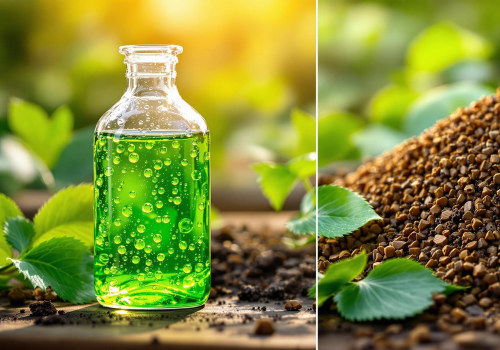
When it comes to lawn fertilization, understanding the different types of fertilizers available is crucial for achieving a lush, green lawn. Fertilizers can be broadly categorized into two main types: organic and synthetic.Organic Fertilizers
Organic fertilizers are derived from natural sources such as plant and animal matter. They release nutrients slowly, which helps improve soil structure and promotes healthy microbial activity.Common examples include:
- Compost: Decomposed organic matter that enriches the soil.
- Manure: Animal waste that provides essential nutrients.
- Bone meal: A source of phosphorus that supports root development.
- Fish emulsion: A liquid fertilizer rich in nitrogen.
Synthetic Fertilizers
Synthetic fertilizers, on the other hand, are manufactured through chemical processes. They provide a quick nutrient boost to lawns and are often more concentrated than organic options. Some common types include:- Granular fertilizers: Solid pellets that can be spread over the lawn.
- Liquid fertilizers: Solutions that can be sprayed directly onto grass.
- Slow-release fertilizers: Formulated to release nutrients gradually over time.
However, they can lead to nutrient leaching and may harm beneficial soil organisms if used excessively.When choosing the best lawn fertilizers, consider factors such as your lawn's specific needs, soil type, and environmental impact. A balanced approach that combines both organic and synthetic options may yield the best results for a healthy lawn.
How to Choose the Right Fertilizer for Your Lawn
Choosing the right fertilizer for your lawn is crucial for promoting healthy growth and maintaining vibrant grass. The selection process can be influenced by several factors, including grass type, soil condition, and climate. Here are some tips to help you make an informed decision:- Identify Your Grass Type: Different grass types have varying nutrient needs.
For instance, cool-season grasses like Kentucky bluegrass thrive in the northern regions, while warm-season grasses such as Bermuda grass are better suited for southern climates. Understanding your grass type will guide you in selecting a fertilizer that meets its specific requirements.
- Test Your Soil: Conducting a soil test is essential to determine the nutrient levels and pH of your soil. This information will help you choose a fertilizer that addresses any deficiencies. Most soil tests will provide recommendations on the type and amount of fertilizer needed.
- Consider the Climate: The local climate can affect how often and when you should fertilize your lawn.
In warmer climates, you may need to fertilize more frequently during the growing season, while cooler areas may require less frequent applications.
- Look for the Right N-P-K Ratio: Fertilizers are labeled with an N-P-K ratio, which stands for nitrogen (N), phosphorus (P), and potassium (K). Each of these nutrients plays a vital role in grass health. For example, nitrogen promotes lush growth, phosphorus supports root development, and potassium enhances drought resistance. Choose a fertilizer with an N-P-K ratio that aligns with your lawn's needs.
- Opt for Slow-Release Formulas: Slow-release fertilizers provide a steady supply of nutrients over time, reducing the risk of nutrient runoff and minimizing the need for frequent applications.
This can be particularly beneficial for maintaining consistent growth throughout the season.
When to Fertilize Your Lawn
Understanding when to fertilize your lawn is crucial for maintaining a healthy and vibrant yard. The timing of your lawn fertilization efforts can significantly impact the growth and resilience of your grass. Here’s a breakdown of the best times to apply fertilizer throughout the year, along with seasonal tips to optimize your lawn care routine.Spring Fertilization
As temperatures begin to rise in early spring, your lawn will start to wake up from its winter dormancy.This is an ideal time for your first application of fertilizer. Aim to fertilize when the grass begins to grow actively, typically around late March to early April, depending on your region. A nitrogen-rich fertilizer will promote lush green growth.
Summer Fertilization
During the hot summer months, your lawn may require additional nutrients to withstand heat stress. Consider a second application in mid-summer, around June or July.Use a slow-release fertilizer that provides nutrients over time, helping your lawn maintain its health without overwhelming it during peak heat.
Fall Fertilization
Fall is one of the most critical times for lawn fertilization. As temperatures cool down, grass roots continue to grow, and applying fertilizer in early fall (September to October) can help strengthen them for winter. A balanced fertilizer with a higher potassium content will enhance root development and improve cold tolerance.Winter Considerations
While most lawns do not require fertilization during winter, it’s essential to prepare for the upcoming spring. Conduct soil tests in late winter to determine nutrient levels and plan your spring fertilization accordingly.Lawn fertilization schedules
can vary based on grass type and local climate conditions.Always consider regional differences and adjust your schedule as needed. By following these seasonal tips, you can ensure that your lawn receives the right nutrients at the right time, leading to a lush and healthy landscape year-round.
How to Apply Lawn Fertilizer Effectively
Applying lawn fertilizer effectively is crucial for promoting healthy grass growth and achieving a lush, green lawn. There are several methods to apply fertilizer, each with its own advantages and best practices.Fertilizer Application Methods
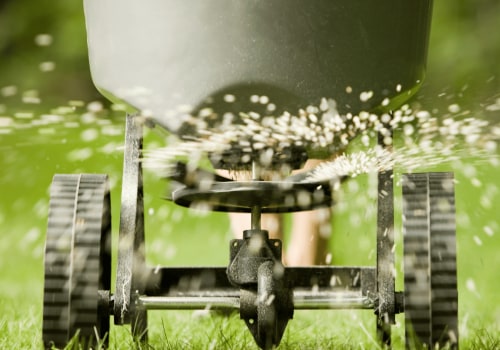
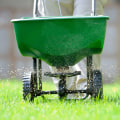
- Broadcast Spreaders: These are ideal for large areas. They distribute granular fertilizer evenly across the lawn.
Ensure you adjust the spreader settings according to the product instructions for optimal coverage.
- Drop Spreaders: Best for smaller, more precise applications, drop spreaders release fertilizer directly below the spreader. This method minimizes overlap and ensures even distribution.
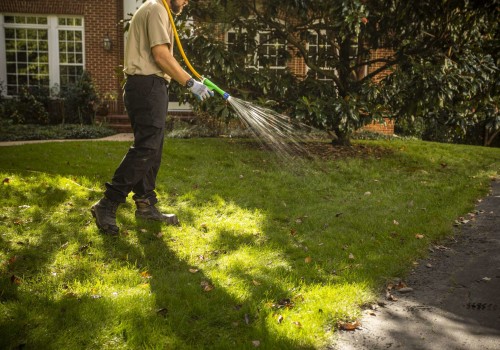
- Liquid Fertilizers: These can be applied using a sprayer or hose attachment. Liquid fertilizers are absorbed quickly by grass, making them effective for rapid nutrient delivery. However, they may require more frequent applications compared to granular options.
Best Practices for Effective Fertilization
- Timing: The best time to fertilize your lawn is during the growing season, typically in spring and fall.
Avoid fertilizing during extreme heat or drought conditions.
- Soil Testing: Conduct a soil test to determine nutrient deficiencies and pH levels. This information will help you choose the right type of fertilizer for your lawn's specific needs.
- Watering: After applying fertilizer, water your lawn lightly to help the nutrients penetrate the soil. This also prevents fertilizer burn on grass blades.
- Avoid Over-Fertilization: Too much fertilizer can harm your lawn and the environment. Follow the recommended application rates on the product label.
Common Mistakes in Lawn Fertilization
Lawn fertilization is essential for maintaining a healthy and vibrant lawn, but many homeowners make common mistakes that can hinder their efforts.Understanding these pitfalls can help you achieve a lush, green yard.
- Over-fertilizing: One of the most frequent errors in lawn fertilization is applying too much fertilizer. This can lead to nutrient burn, which damages grass roots and creates an unhealthy lawn. To avoid this, always follow the recommended application rates on the fertilizer package and consider using a spreader for even distribution.
- Ignoring soil tests: Many homeowners skip soil testing, which is crucial for understanding the specific nutrient needs of their lawn. Without this information, you may end up applying fertilizers that your lawn doesn’t need or missing out on essential nutrients.
Conduct a soil test every few years to tailor your fertilization strategy.
- Fertilizing at the wrong time: Timing is critical in fertilizing grass. Applying fertilizer during extreme heat or cold can stress your lawn. The best times to fertilize are during the growing seasons—early spring and fall—when grass is actively growing.
- Neglecting to water: Fertilizer needs moisture to activate and be absorbed by the grass roots. Failing to water after application can lead to ineffective fertilization.
Always water your lawn after applying fertilizer to ensure nutrients penetrate the soil.
- Using the wrong type of fertilizer: Not all fertilizers are created equal. Some are designed for specific types of grass or soil conditions. Using a generic product may not meet your lawn's unique needs. Research and select a fertilizer that matches your grass type and local climate.
Remember, proper planning and execution are key to successful lawn care.
FAQs About Lawn Fertilization
When it comes to lawn fertilization, many homeowners have questions about the best practices and timing. Here are some of the most frequently asked questions:What is lawn fertilization?
Lawn fertilization is the process of applying nutrients to your lawn to promote healthy growth, enhance color, and improve overall resilience against pests and diseases. Fertilizers typically contain three primary nutrients: nitrogen (N), phosphorus (P), and potassium (K).How often should I fertilize my lawn?
The frequency of lawn fertilization depends on several factors, including grass type, soil quality, and climate. Generally, a good rule of thumb is to fertilize your lawn 2 to 4 times a year.Early spring and fall are ideal times for application.
What type of fertilizer should I use?
- Granular fertilizers: These are easy to apply and provide a slow release of nutrients.
- Liquid fertilizers: These offer quick nutrient absorption but may require more frequent applications.
- Organic fertilizers: These are derived from natural sources and improve soil health over time.
Can I fertilize my lawn in the summer?
While it is possible to fertilize in the summer, it is crucial to choose a fertilizer that is appropriate for hot weather. Consider using a slow-release formula to prevent burning the grass.What are the signs that my lawn needs fertilization?
- Pale color: If your grass appears yellow or light green, it may be lacking nutrients.
- Thin patches: Sparse areas can indicate nutrient deficiencies.
- Weed growth: An increase in weeds can signal that your lawn is not healthy enough to compete.
Conclusion: Key Takeaways on Lawn Fertilization
In summary, lawn fertilization is a crucial practice for maintaining a healthy and vibrant lawn. By understanding the specific needs of your grass type and soil conditions, you can tailor your fertilization approach to achieve optimal results.Here are some key takeaways to remember:- Timing is Everything: Applying fertilizer at the right time of year is essential.
Spring and fall are typically the best seasons for fertilization, as they align with the growth cycles of most grass types.
- Know Your Nutrients: Different fertilizers provide varying levels of nitrogen, phosphorus, and potassium. Understanding these nutrients and their roles can help you choose the right product for your lawn's needs.
- Soil Testing: Conducting a soil test can provide valuable insights into nutrient deficiencies and pH levels, allowing for more precise fertilization strategies.
- Application Techniques Matter: Whether you choose granular or liquid fertilizers, proper application techniques ensure even distribution and minimize waste.
- Follow Up with Care: After fertilization, continue to care for your lawn by watering appropriately and monitoring its health. This will help maximize the benefits of your fertilization efforts.