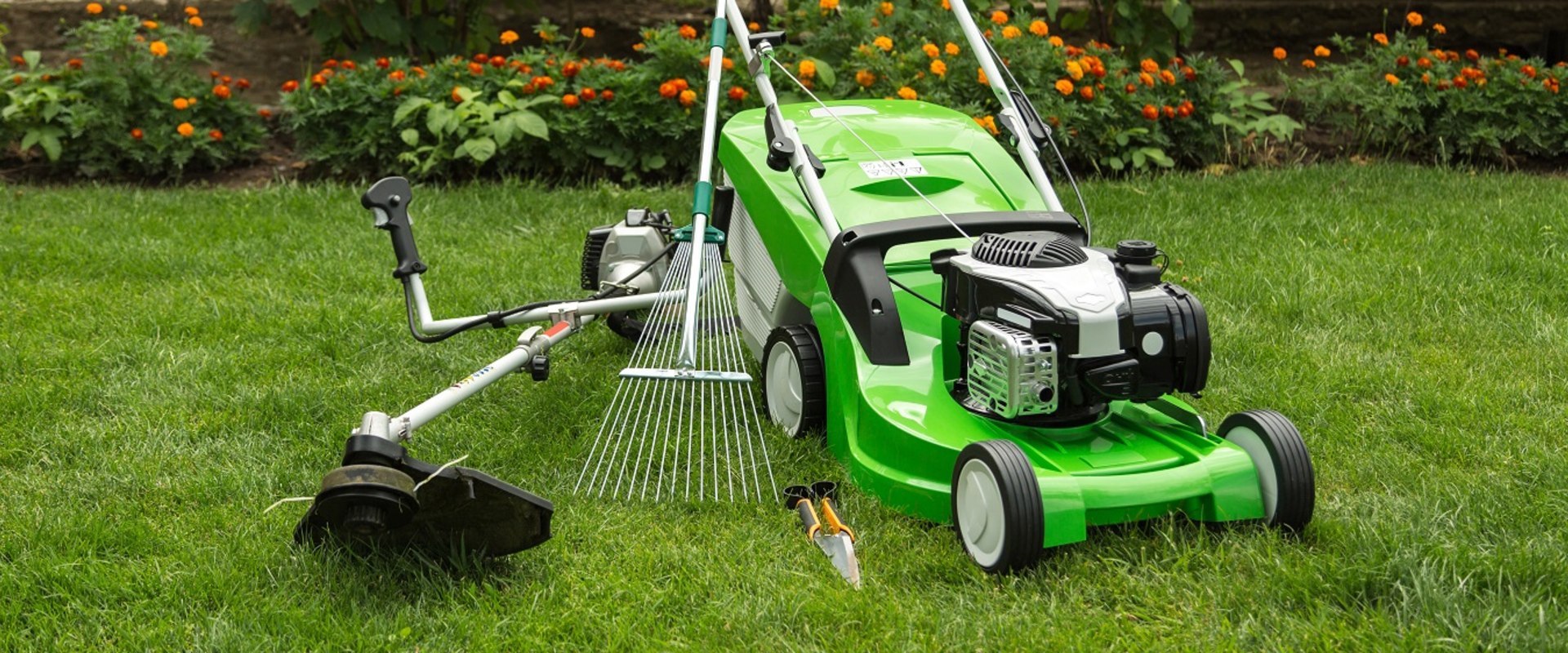
Lawn fertilization is a crucial practice for maintaining a vibrant and healthy lawn. It involves the application of nutrients to the soil to promote optimal grass growth, enhance color, and improve overall resilience against pests and diseases. Understanding the fundamentals of lawn fertilization is essential for any homeowner or landscaper looking to achieve a lush, green yard that can withstand the rigors of weather and foot traffic. At its core, lawn fertilization provides essential nutrients such as nitrogen, phosphorus, and potassium, which are vital for plant health. These nutrients support various functions, including root development, leaf growth, and flowering.
When applied correctly, fertilizers can significantly boost the health of your lawn, leading to thicker grass that can better compete with weeds and resist environmental stressors. Moreover, the benefits of lawn fertilization extend beyond aesthetics. A well-fertilized lawn can improve soil structure, enhance water retention, and promote biodiversity in your garden ecosystem. However, while the advantages are clear, it is equally important to consider safety precautions when handling and applying fertilizers. This ensures not only the health of your lawn but also the safety of your family, pets, and the surrounding environment.
Types of Fertilizers and Their Safety Considerations
When it comes to lawn fertilization, understanding the types of fertilizers available is crucial for both effective application and safety.Fertilizers can be broadly categorized into two main types: organic and synthetic.
Organic Fertilizers
Organic fertilizers are derived from natural sources such as plant or animal matter. Common examples include compost, manure, and bone meal. While they are generally considered safer for the environment and human health, there are still important safety considerations:- Application Timing: Apply organic fertilizers during dry weather to prevent runoff and ensure proper absorption.
- Storage: Store organic fertilizers in a cool, dry place to prevent spoilage and pest attraction.
- Personal Protection: Wear gloves and a mask when handling to avoid skin irritation or respiratory issues.
Synthetic Fertilizers
Synthetic fertilizers are chemically manufactured and often contain concentrated nutrients. While they can provide quick results, they come with specific safety considerations:- Toxicity: Some synthetic fertilizers can be harmful if ingested or inhaled.
Always read labels for safety instructions.
- Environmental Impact: Improper application can lead to nutrient runoff, which may contaminate local water sources.
- Application Method: Use a spreader for even distribution and avoid over-fertilization, which can harm your lawn and the environment.
Personal Protective Equipment (PPE) for Fertilizer Application
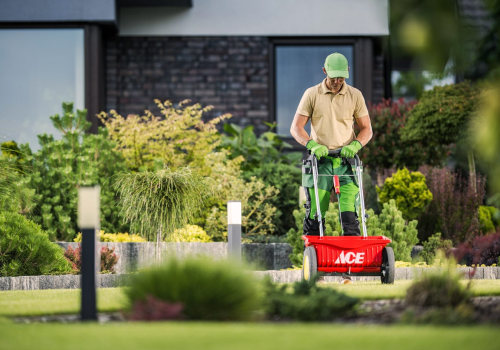
When it comes to lawn fertilization, ensuring your safety during the handling and application of fertilizers is paramount. Using the right personal protective equipment (PPE) can significantly reduce the risk of exposure to potentially harmful chemicals found in fertilizers.- Gloves: Always wear chemical-resistant gloves to protect your hands from direct contact with fertilizers. This is crucial as some fertilizers can cause skin irritation or allergic reactions.
- Mask or Respirator: A mask or respirator is essential, especially if you are using powdered fertilizers.
This will help prevent inhalation of dust particles that may contain harmful substances.
- Safety Goggles: Protect your eyes from splashes and airborne particles by wearing safety goggles. This is particularly important when mixing fertilizers or applying them in windy conditions.
- Long-Sleeved Clothing: Wearing long sleeves and long pants can provide an additional layer of protection against skin contact. Opt for clothing made from breathable materials to stay comfortable while working.
- Closed-Toe Shoes: Always wear sturdy, closed-toe shoes to protect your feet from spills and heavy equipment. Avoid sandals or open-toed footwear when handling fertilizers.
This can provide comprehensive protection against chemical exposure.Before starting any lawn care activities, ensure that you have all necessary PPE on hand and that it fits properly. Regularly inspect your gear for any signs of wear and tear, replacing items as needed to maintain optimal safety standards.By prioritizing the use of appropriate PPE during fertilizer application, you not only protect yourself but also contribute to a safer environment for your family and pets.
Safe Handling Practices for Fertilizers
When it comes to lawn fertilization, ensuring safety during handling and application is paramount. Here are some best practices to follow:Safe Handling of Fertilizers
Always wear appropriate personal protective equipment (PPE) when handling fertilizers. This includes:- Gloves: Protect your hands from chemical exposure.
- Mask: Prevent inhalation of dust particles.
- Goggles: Shield your eyes from splashes.
Avoid eating or drinking while handling fertilizers to minimize the risk of contamination.
Fertilizer Storage Safety
Proper storage of fertilizers is crucial to prevent accidents and ensure longevity. Follow these guidelines:- Store in a cool, dry place: Keep fertilizers away from moisture and extreme temperatures.
- Keep out of reach of children and pets: Use locked storage containers if necessary.
- Avoid mixing different types: This can lead to chemical reactions that may be hazardous.
Handling Fertilizer Spills
If a spill occurs, act quickly but safely:- Evacuate the area: Ensure that people and pets are at a safe distance.
- Wear PPE: Before cleaning up, put on gloves and a mask.
- Cleansing the spill: Use a broom or shovel to collect solid fertilizers, and dispose of them according to local regulations.
- If liquid fertilizer spills: Absorb it with sand or soil, then dispose of it properly.
Application Techniques to Ensure Safety
When it comes to lawn fertilization, employing safe application techniques is crucial not only for the health of your lawn but also for the safety of your family and the environment. Here are some effective methods and timing considerations to ensure a safe fertilization process.Timing for Fertilizer Application
Choosing the right time to apply fertilizer can significantly impact its effectiveness and safety.Generally, the best times for fertilizer application are:
- Spring: Early spring is ideal for cool-season grasses, as they begin to grow actively.
- Fall: Late summer to early fall is perfect for warm-season grasses, allowing them to store nutrients before winter.
- After Rain: Apply fertilizer when the soil is moist but not saturated, which helps prevent runoff and ensures better absorption.
Methods of Application
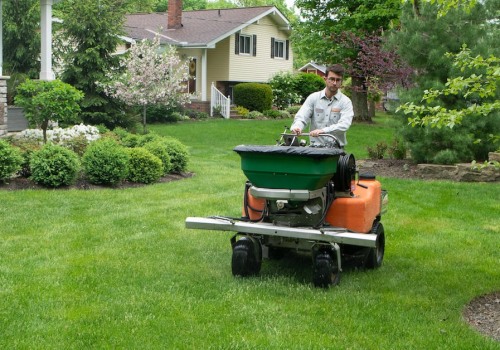
There are several methods to apply fertilizer safely:- Broadcast Spreader: This tool allows for even distribution of granular fertilizers. Ensure you calibrate it according to the manufacturer's instructions.
- Drop Spreader: Ideal for precision application, especially near flower beds or sidewalks, minimizing the risk of overspreading.
- Lawn Sprayer: For liquid fertilizers, use a sprayer that provides an even coat without pooling in one area.
Avoiding Environmental Contamination
To minimize environmental impact during lawn fertilization, consider these precautions:- Avoid applying fertilizer before heavy rainstorms to prevent runoff into local waterways.
- Use organic fertilizers when possible, as they are less likely to cause harm to beneficial insects and soil health.
- Follow local regulations regarding fertilizer use, especially near water bodies or sensitive ecosystems.
Environmental Considerations When Fertilizing Lawns
When it comes to lawn fertilization, understanding the environmental impact of fertilizers is crucial for maintaining a healthy ecosystem. Fertilizers can contribute to nutrient runoff, which may lead to water pollution and harm local wildlife.Therefore, it is essential to adopt practices that minimize these negative effects.
Understanding Nutrient Runoff
Nutrient runoff occurs when excess fertilizers wash away from lawns during rainfall or irrigation. This runoff can carry nitrogen and phosphorus into nearby water bodies, leading to problems such as algal blooms, which deplete oxygen levels and harm aquatic life. To mitigate this issue, consider the following:- Soil Testing: Conduct a soil test before applying fertilizers to determine the specific nutrient needs of your lawn. This helps avoid over-fertilization.
- Slow-Release Fertilizers: Use slow-release or controlled-release fertilizers that provide nutrients gradually, reducing the risk of runoff.
- Timing: Apply fertilizers during dry weather and avoid application before heavy rainstorms to minimize runoff potential.
Lawn Care and Water Safety
In addition to preventing runoff, it’s important to consider how lawn care practices affect water safety.Here are some tips:
- Avoid Overwatering: Excessive watering can lead to nutrient leaching. Water your lawn only as needed, ideally early in the morning.
- Buffer Zones: Create buffer zones with native plants around water bodies to absorb excess nutrients before they reach the water.
- Organic Options: Explore organic fertilizers that are less likely to contribute to pollution and are often safer for local wildlife.
Common FAQs About Lawn Fertilization Safety
When it comes to lawn fertilization, safety is a top priority for homeowners and gardeners alike. Here are some common questions and answers regarding the safe handling and application of fertilizers.What safety precautions should I take when applying fertilizer?
- Read the label: Always start by reading the manufacturer's instructions on the fertilizer package.
This will provide essential information on application rates, safety gear, and any specific precautions.
- Wear protective gear: It’s advisable to wear gloves, long sleeves, and a mask to protect your skin and respiratory system from potential irritants.
- Avoid windy days: Applying fertilizer on windy days can lead to drift, causing unintended exposure to nearby plants or people.
- Keep pets and children away: Ensure that pets and children are kept off the lawn during and after application until it is safe to return, as indicated on the product label.
Are there any environmental concerns with lawn fertilizers?
Yes, there are environmental considerations when using fertilizers. Over-application can lead to runoff, which may contaminate local waterways. To mitigate this risk:- Follow recommended application rates: Stick to the guidelines provided on the fertilizer packaging to avoid excess.
- Consider organic options: Organic fertilizers can be a safer alternative that reduces chemical runoff while still providing nutrients.
What should I do if I accidentally ingest fertilizer?
If you or someone else accidentally ingests fertilizer, it’s crucial to seek medical attention immediately. Bring the fertilizer container with you to help medical professionals understand what was ingested.By following these safety precautions and being informed about potential risks, you can ensure a safe and effective lawn fertilization process that benefits both your lawn and the environment.Conclusion: Key Takeaways on Safe Lawn Fertilization Practices
In conclusion, ensuring safe lawn fertilization practices is essential for both personal safety and environmental health.By adhering to the following key takeaways, you can effectively minimize risks associated with handling and applying fertilizers.
- Read Labels Carefully: Always start by reading the product label for specific instructions regarding application rates, safety precautions, and any protective gear recommended.
- Wear Protective Gear: Equip yourself with appropriate safety gear such as gloves, masks, and goggles to protect against skin contact and inhalation of dust or particles.
- Choose the Right Time: Apply fertilizers during calm weather conditions to prevent drift and ensure that the product reaches the intended area without affecting nearby plants or water sources.
- Store Fertilizers Safely: Keep fertilizers in a cool, dry place away from children and pets. Ensure containers are tightly sealed to prevent spills or accidental ingestion.
- Follow Application Guidelines: Adhere strictly to the recommended application rates to avoid over-fertilization, which can lead to runoff and environmental damage.