Lawn fertilization is a crucial aspect of maintaining a vibrant and healthy lawn. It involves the application of essential nutrients that support grass growth, enhance color, and improve resilience against pests and diseases. Understanding the importance of these nutrients is fundamental for anyone looking to achieve a lush, green landscape. Without proper fertilization, lawns can become weak, patchy, and susceptible to environmental stressors. At its core, lawn care basics revolve around the balance of three primary nutrients: nitrogen, phosphorus, and potassium, often referred to as N-P-K.
Each of these elements plays a unique role in promoting healthy grass growth. Nitrogen is vital for leaf development and overall growth, phosphorus supports root establishment and flowering, while potassium enhances drought resistance and disease tolerance. Recognizing how these nutrients interact with your specific grass type can significantly impact the effectiveness of your lawn care regimen. Moreover, the timing and method of application are just as important as the nutrients themselves. Proper lawn fertilization not only nourishes the grass but also contributes to soil health, encouraging beneficial microorganisms that further enhance nutrient availability.
As we delve deeper into the key nutrients in lawn fertilizers, it becomes clear that a well-fertilized lawn is not just about aesthetics; it’s about creating a sustainable environment that thrives year-round.
The Role of Nitrogen in Lawn Fertilizers
Nitrogen is often regarded as the most crucial nutrient in lawn fertilizers, playing a vital role in promoting healthy grass growth and vibrant green color. As a primary macronutrient, nitrogen is essential for the synthesis of proteins, enzymes, and chlorophyll, which are fundamental for the overall health of the lawn.One of the key benefits of nitrogen in lawn fertilization is its ability to enhance leaf growth. When applied correctly, nitrogen encourages lush, dense foliage, which not only improves the aesthetic appeal of your lawn but also helps in crowding out weeds. A well-nourished lawn with adequate nitrogen levels can better withstand environmental stresses such as drought and disease.Sources of Nitrogen
Nitrogen can be sourced from various materials, each offering unique advantages:- Urea: A common synthetic source of nitrogen that is highly concentrated and effective.
- Ammonium Nitrate: Provides a quick release of nitrogen, making it ideal for rapid greening.
- Organic Matter: Sources like compost or manure release nitrogen slowly, improving soil health over time.
- Blood Meal: A natural organic fertilizer that is rich in nitrogen and promotes vigorous growth.
It's important to apply nitrogen fertilizers at the right time and in appropriate amounts to avoid issues like burning the grass or causing excessive growth that can lead to increased mowing frequency.In conclusion, understanding the role of nitrogen in lawn fertilizers is essential for achieving a lush and healthy lawn. By choosing the right sources and applying them judiciously, homeowners can ensure their lawns thrive throughout the growing season.
Understanding Phosphorus and Its Benefits
Phosphorus is a vital nutrient in lawn fertilization, playing a crucial role in the development of strong roots and overall plant health. It is one of the three primary macronutrients, alongside nitrogen and potassium, that are essential for optimal lawn growth.Benefits of Phosphorus
- Root Development: Phosphorus promotes robust root systems, which are essential for nutrient uptake and water absorption. A well-established root system allows grass to thrive even in challenging conditions.
- Flowering and Seed Production: This nutrient is also important for flowering plants, aiding in seed production and overall reproductive health, which can be beneficial for lawns with flowering species.
- Energy Transfer: Phosphorus plays a key role in energy transfer within the plant, facilitating various metabolic processes that contribute to growth and vigor.
Sources of Phosphorus
Phosphorus can be found in various forms within lawn fertilizers.
Common sources include:
- Bone Meal: A natural organic source rich in phosphorus, bone meal is often used in organic lawn care.
- Rock Phosphate: This mineral source provides a slow-release form of phosphorus, making it ideal for long-term lawn health.
- Synthetic Fertilizers: Many commercial fertilizers contain phosphorus in readily available forms, such as monoammonium phosphate (MAP) or diammonium phosphate (DAP).
The Importance of Potassium for Lawn Health
Potassium is a vital nutrient in lawn fertilization, playing a crucial role in maintaining a healthy and resilient lawn. This macronutrient is essential for various physiological processes that enhance the overall vigor of grass, making it more resistant to diseases and environmental stresses.Benefits of Potassium for Lawn Health
One of the primary benefits of potassium is its ability to improve disease resistance.By strengthening the cell walls of grass plants, potassium helps them fend off pathogens and reduces the likelihood of fungal infections. Additionally, potassium enhances the lawn's ability to withstand drought conditions. It regulates water uptake and retention, allowing grass to maintain turgor pressure even during dry spells.Moreover, potassium contributes to the overall growth and development of grass. It aids in photosynthesis, which is essential for energy production in plants.
A well-nourished lawn with adequate potassium levels will exhibit vibrant color and robust growth, making it more aesthetically pleasing.
Sources of Potassium in Lawn Fertilizers
- Potassium chloride: Commonly known as muriate of potash, this is one of the most widely used sources of potassium in fertilizers.
- Potassium sulfate: This source not only provides potassium but also adds sulfur, which can be beneficial for certain soil types.
- Organic options: Natural sources such as wood ash and greensand can also supply potassium while improving soil health.
Application Methods
When applying potassium-rich fertilizers, it's essential to follow recommended guidelines to avoid over-fertilization, which can lead to nutrient runoff and environmental harm. Typically, a soil test can help determine the appropriate amount of potassium needed for your lawn. Applying fertilizers during the growing season ensures that grass can effectively utilize the nutrients.In conclusion, incorporating adequate potassium into your lawn fertilization regimen is vital for promoting a healthy lawn that can resist diseases and tolerate drought. By understanding its benefits and sources, homeowners can make informed decisions to enhance their lawn's health.Secondary Nutrients: Calcium, Magnesium, and Sulfur
While primary nutrients like nitrogen, phosphorus, and potassium are essential for lawn growth, secondary nutrients such as calcium, magnesium, and sulfur play a crucial role in maintaining overall lawn health.These nutrients support various physiological functions and enhance the effectiveness of primary nutrients.
Calcium: The Structural Support
Calcium is vital for cell wall structure and stability in plants. It helps in the formation of new cells and is essential for root development. A calcium-rich lawn is more resilient to stress factors such as drought and disease. Additionally, calcium aids in the absorption of other nutrients, making it a key player in nutrient uptake.Magnesium: The Photosynthesis Catalyst
Magnesium is a central component of chlorophyll, the pigment responsible for photosynthesis.Without adequate magnesium, your lawn may exhibit yellowing leaves and stunted growth. This nutrient not only facilitates the conversion of sunlight into energy but also plays a role in enzyme activation, which is critical for various metabolic processes.
Sulfur: The Flavor Enhancer
Sulfur contributes to the synthesis of amino acids and proteins, which are essential for plant growth. It also enhances the flavor and aroma of certain plants, making it particularly important for lawns that include edible landscaping. Sulfur helps improve soil structure and promotes beneficial microbial activity, further supporting nutrient availability.In summary, while primary nutrients are often the focus of lawn fertilization, secondary nutrients like calcium, magnesium, and sulfur are equally important.They work synergistically with primary nutrients to ensure a healthy, vibrant lawn. Regular soil testing can help determine if your lawn is deficient in these secondary nutrients, allowing you to make informed decisions about fertilization strategies.
Micronutrients: The Unsung Heroes of Lawn Fertilization
While the primary nutrients in lawn fertilizers—nitrogen, phosphorus, and potassium—often steal the spotlight, micronutrients play a crucial role in maintaining a healthy lawn. These essential elements, required in smaller quantities, are vital for various physiological functions within the plant.Importance of Micronutrients
Micronutrients contribute to the overall health and resilience of grass. They assist in processes such as photosynthesis, enzyme function, and nutrient uptake.A deficiency in any of these micronutrients can lead to poor growth, discoloration, and increased susceptibility to diseases.
Common Micronutrients for Lawns
- Iron (Fe): Essential for chlorophyll production, iron helps maintain a vibrant green color in grass. A lack of iron can result in yellowing leaves, a condition known as chlorosis.
- Manganese (Mn): This micronutrient aids in photosynthesis and nitrogen metabolism. Manganese deficiency can cause stunted growth and leaf spotting.
- Zinc (Zn): Important for enzyme function and growth regulation, zinc deficiency may lead to reduced leaf size and poor root development.
- Copper (Cu): Copper plays a role in photosynthesis and the formation of lignin, which strengthens plant cell walls. Insufficient copper can weaken grass and make it more prone to disease.
- Boron (B): Boron is crucial for cell wall formation and reproductive growth.
A lack of boron can hinder root development and flowering.
Choosing the Right Fertilizer for Your Lawn Needs
Choosing the right fertilizer for your lawn is crucial to achieving a lush, green landscape. The selection process involves understanding your grass type, evaluating soil conditions, and identifying specific nutrient needs.1.Identify Your Grass Type
- Cool-season grasses (e.g., Kentucky bluegrass, fescue) thrive in northern climates and benefit from fertilizers high in nitrogen during the fall and spring.
- Warm-season grasses (e.g., Bermuda, zoysia) flourish in southern regions and require fertilization in late spring and summer, often needing a balanced ratio of nitrogen, phosphorus, and potassium.
2.Test Your Soil
Before selecting a fertilizer, conduct a soil test. This will help you understand the pH level and nutrient content of your soil.
Based on the results, you can choose a fertilizer that addresses any deficiencies:
- If your soil is low in nitrogen, opt for a fertilizer with a higher first number in the N-P-K ratio.
- A phosphorus deficiency may require a fertilizer with a higher middle number.
- Potassium is essential for overall grass health; look for fertilizers that provide adequate potassium if your soil test indicates low levels.
3.Consider Fertilizer Types
There are several types of fertilizers available:
- Granular fertilizers: Easy to apply and provide slow-release nutrients over time.
- Liquid fertilizers: Fast-acting and ideal for quick nutrient absorption but may require more frequent applications.
- Organic fertilizers: Derived from natural sources, they improve soil health over time but may take longer to show results.
4.Match Fertilizer to Lawn Needs
The best fertilizer for your lawn will depend on its specific needs:
- If your lawn experiences heavy foot traffic, consider a fertilizer that promotes root strength and resilience.
- A shaded lawn may require a specialized fertilizer that supports growth in low-light conditions.
Common Myths About Lawn Fertilization Debunked
When it comes to lawn fertilization, several myths can lead homeowners astray, resulting in ineffective practices and wasted resources. Understanding the truth behind these misconceptions is crucial for maintaining a healthy lawn.- Myth 1: More Fertilizer Equals a Greener Lawn
Many believe that applying more fertilizer will yield a lusher, greener lawn. In reality, over-fertilization can harm your grass, leading to nutrient burn and environmental runoff. It's essential to follow recommended application rates for optimal results. - Myth 2: Fertilizing in the Fall is Unnecessary
Some homeowners think that fertilization is only needed in the spring.However, fall fertilization is vital as it helps grass store nutrients for winter and promotes early spring growth. A well-timed fall application can significantly enhance lawn health.
- Myth 3: All Fertilizers are the Same
Not all fertilizers are created equal. There are various types, including synthetic and organic options, each with different nutrient profiles. Understanding the specific needs of your lawn will help you choose the right product. - Myth 4: You Can Skip Soil Testing
Many people assume they can apply fertilizer without testing their soil first.Soil testing is crucial as it reveals nutrient deficiencies and pH levels, allowing for tailored fertilization that meets your lawn's specific needs.
Best Practices for Lawn Fertilization Application
To achieve optimal results in lawn fertilization, it is essential to follow best practices that enhance nutrient uptake while minimizing waste. Here are some key techniques and tips for effective fertilizer application:Timing for Lawn Fertilization
The timing of your fertilizer application plays a crucial role in its effectiveness. Generally, the best times to fertilize your lawn are:- Spring: Apply a balanced fertilizer when the grass begins to grow actively, typically between late March and early May, depending on your region.
- Fall: A second application in early fall (September to October) helps prepare the lawn for winter and promotes root growth.
Lawn Fertilization Techniques
Utilizing the right techniques can significantly improve the efficiency of your fertilization efforts:- Soil Testing: Conduct a soil test to determine nutrient deficiencies and pH levels.
This will guide you in selecting the appropriate fertilizer type and amount.
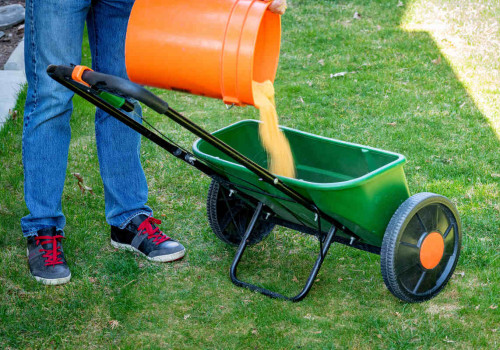
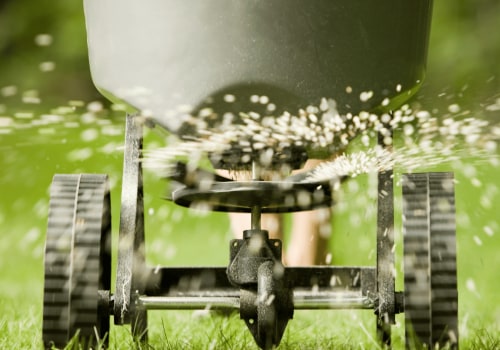
- Even Distribution: Use a broadcast spreader for even distribution of granular fertilizers. This prevents over-fertilization in certain areas, which can lead to burning or uneven growth.
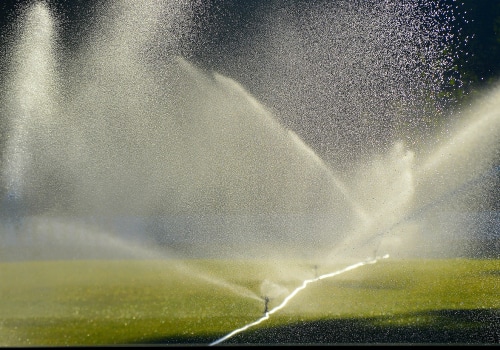
- Watering: Water your lawn lightly after applying fertilizer. This helps dissolve the nutrients and allows them to penetrate the soil, making them available to grass roots.
- Avoid Windy Days: Fertilizing on windy days can lead to uneven application and nutrient loss. Choose calm days for better control.
Conclusion: Key Takeaways on Lawn Fertilization Nutrients
In summary, understanding the key nutrients in lawn fertilizers is essential for maintaining a healthy and vibrant lawn.The primary nutrients—nitrogen, phosphorus, and potassium—play distinct roles in promoting growth, root development, and overall resilience against environmental stressors.
- Nitrogen (N): This nutrient is crucial for leaf and stem growth, giving your lawn its lush green color. It encourages vigorous growth and helps in the synthesis of proteins.
- Phosphorus (P): Vital for root development, phosphorus enhances the establishment of new grass and improves flowering and seed production. It is particularly important during the early stages of lawn growth.
- Potassium (K): This nutrient strengthens the overall health of the grass by improving drought resistance and disease tolerance. It also aids in photosynthesis and nutrient uptake.
Micronutrients like iron, manganese, and zinc are also important in smaller quantities, supporting various physiological functions within the grass.When selecting a lawn fertilization strategy, it’s crucial to consider soil testing to determine existing nutrient levels. This ensures that you apply the right type and amount of fertilizer tailored to your lawn's specific needs. Over-fertilization can lead to nutrient runoff and environmental issues, while under-fertilization may result in a lackluster lawn.In conclusion, a balanced approach to lawn fertilization, focusing on these key nutrients, will not only enhance the aesthetic appeal of your lawn but also promote long-term health and sustainability.