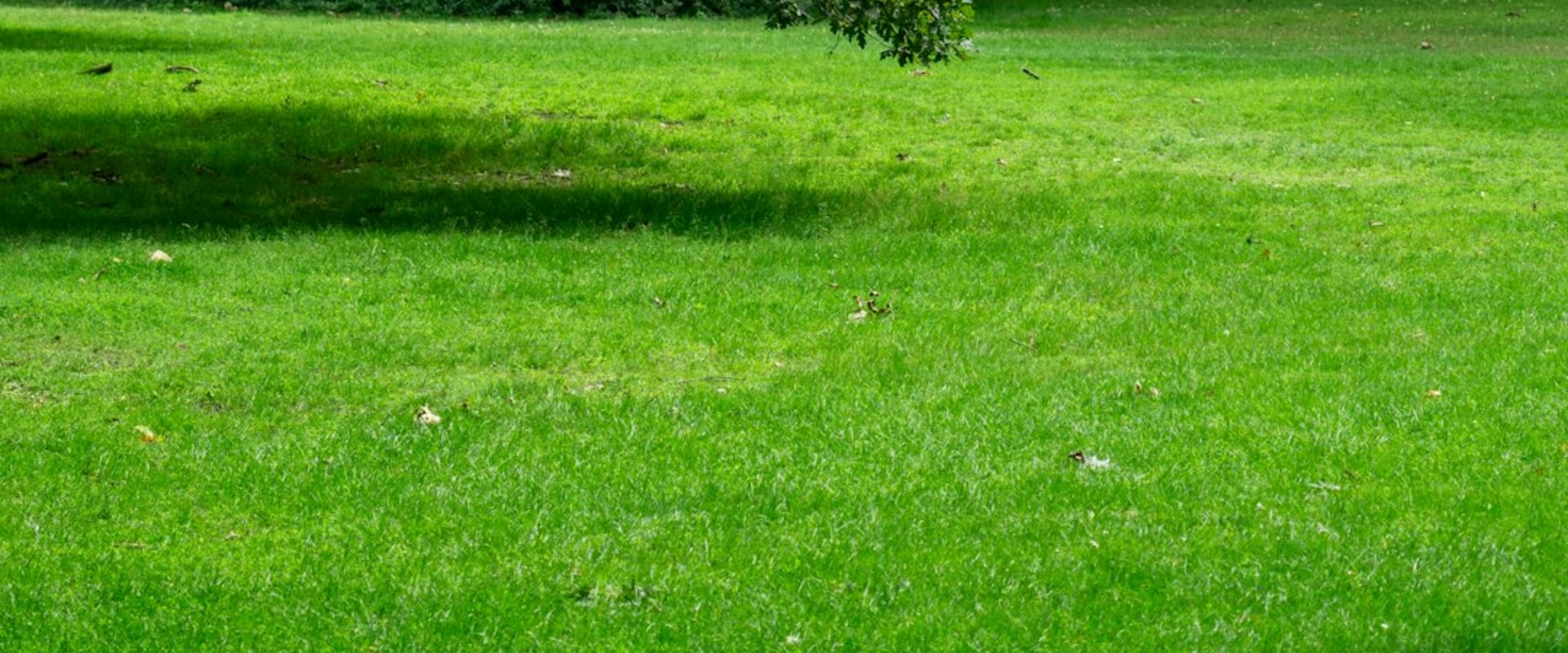
Lawn fertilization is a crucial aspect of maintaining a vibrant and healthy lawn. It involves the application of nutrients to the soil, which are essential for promoting robust grass growth and enhancing the overall health of your lawn. Understanding the fundamentals of lawn fertilization is key to achieving a lush, green landscape that can withstand environmental stresses and resist pests and diseases. The benefits of lawn fertilization extend beyond mere aesthetics. Proper fertilization helps to replenish essential nutrients that may be depleted in the soil, ensuring that your grass receives the right balance of nitrogen, phosphorus, and potassium.
These nutrients play vital roles in root development, disease resistance, and drought tolerance. A well-fertilized lawn not only looks better but also contributes to a healthier ecosystem by supporting beneficial microorganisms in the soil. For homeowners looking to enhance their lawn care routine, grasping the basics of lawn care is essential. This includes understanding when and how to fertilize effectively. Timing is everything; applying fertilizer at the right moment can significantly impact your lawn's growth cycle and overall health.
In the following sections, we will delve deeper into the optimal times for fertilization, ensuring you have all the knowledge needed to cultivate a thriving lawn.
Factors Influencing Lawn Fertilization Timing
When considering lawn fertilization, several key factors come into play that can significantly influence the timing of your application. Understanding these factors is essential for achieving a lush, healthy lawn.Climate Impact on Fertilization
The climate in your region plays a crucial role in determining the best time to fertilize your lawn. For instance, in cooler climates, early spring and fall are typically the optimal times for fertilization, as grass is actively growing during these periods. Conversely, in warmer climates, late spring through summer may be more suitable, as the grass thrives in the heat.Additionally, rainfall patterns can affect nutrient absorption; therefore, it’s important to monitor weather conditions before applying fertilizer.
Soil Type and Fertilization Timing
The type of soil in your yard also influences when you should fertilize. Sandy soils drain quickly and may require more frequent applications of fertilizer to maintain nutrient levels. In contrast, clay soils retain moisture and nutrients longer, allowing for less frequent fertilization. Conducting a soil test can provide valuable insights into nutrient deficiencies and help you tailor your fertilization schedule accordingly.Grass Variety Considerations
Different grass varieties have unique growth patterns and nutrient needs.Cool-season grasses, such as Kentucky bluegrass and fescue, benefit from fertilization in early spring and fall when temperatures are moderate. On the other hand, warm-season grasses like Bermuda and zoysia thrive with fertilization during the warmer months. Understanding the specific needs of your grass type will ensure that you apply fertilizer at the most effective times. In summary, successful lawn fertilization hinges on a combination of climate conditions, soil type, and grass variety. By taking these factors into account, you can optimize your lawn care routine and promote a vibrant, healthy landscape.
Best Times to Fertilize Cool-Season Grasses
When it comes to lawn fertilization for cool-season grasses, timing is crucial for achieving a lush, green lawn.These grasses thrive in the northern regions of the United States, where temperatures are cooler. The best times to fertilize cool-season grasses are during their peak growth periods in the spring and fall.
Spring Fertilization
In early spring, typically between April and May, cool-season grasses begin to awaken from dormancy. This is the ideal time for your first round of fertilization. Applying a nitrogen-rich fertilizer during this period helps promote vigorous growth and green-up.Look for a slow-release fertilizer that will provide nutrients over an extended period, ensuring your lawn has the necessary support as it grows.
Fall Fertilization
The second optimal time for fertilizing cool-season grasses is in the fall, usually from September to October. This application is critical as it prepares your lawn for the winter months. Fertilizing in the fall helps strengthen root systems and enhances overall resilience against cold temperatures. A balanced fertilizer with a higher potassium content can be beneficial during this time, as it aids in root development and disease resistance.Additional Tips
- Soil Testing: Before applying fertilizer, consider conducting a soil test to determine nutrient deficiencies.
- Weather Conditions: Fertilize when the grass is dry and rain is not expected for at least 24 hours to prevent runoff.
- Avoid Over-Fertilization: Too much fertilizer can lead to excessive growth and increased susceptibility to pests and diseases.
Remember, proper timing and application are key components of successful lawn care.
Best Times to Fertilize Warm-Season Grasses
When it comes to lawn fertilization for warm-season grasses, timing is crucial to ensure optimal growth and health. These grasses thrive in the warmer months, typically from late spring to early fall, making it essential to align your fertilization schedule with their growth patterns.Early Spring Fertilization
- As temperatures begin to rise, usually around late March to early April, it's time to apply a pre-emergent fertilizer. This helps prevent weeds from taking root while providing essential nutrients as the grass starts to wake up from dormancy.
Late Spring Fertilization
- The best time for the first major fertilization of warm-season lawns is typically in May. At this point, the grass is actively growing, and a nitrogen-rich fertilizer will promote lush green growth.
Mid-Summer Boost
- A second application can be beneficial around June or July.
This mid-summer boost helps maintain vigor during the hottest months when grass can become stressed due to heat and drought.
Fall Fertilization
- As summer transitions into fall, a final application in late August or early September can help prepare your lawn for the cooler months ahead. This fertilization supports root development and enhances the lawn's resilience against winter stress.
Signs Your Lawn Needs Fertilization
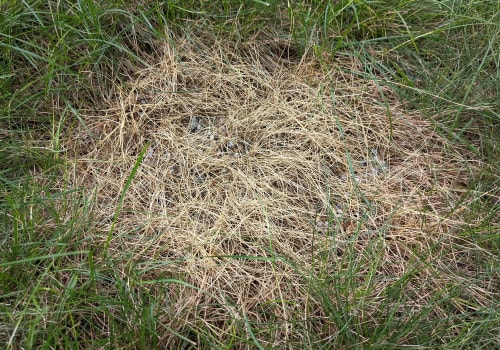
Understanding when your lawn needs fertilization is crucial for maintaining its health and vibrancy. There are several visual and physical signs that indicate your grass may be lacking essential nutrients.- Color Changes: One of the most noticeable signs is a change in color.
Healthy grass typically has a rich, green hue. If you observe patches of yellowing or a dull, faded appearance, it may indicate a nutrient deficiency, particularly nitrogen.
- Growth Patterns: If your lawn is growing unevenly or has areas that seem to be stunted, this could be a sign that it requires fertilization. Grass that grows slowly or has thin patches may not be receiving the nutrients it needs to thrive.
- Weed Proliferation: An increase in weeds can also signal that your lawn is struggling. Weeds often thrive in nutrient-poor soil, so if you notice more weeds than usual, it might be time to consider fertilizing your lawn.
- Soil Testing: Conducting a soil test can provide valuable insights into the nutrient levels present in your lawn.
If the test reveals low levels of key nutrients like phosphorus or potassium, it’s a clear indicator that fertilization is necessary.
Types of Fertilizers and Their Application Timing
Understanding the different types of lawn fertilizers and their application timing is crucial for achieving a lush, healthy lawn. Fertilizers can be broadly categorized into two main types: granular and liquid.- Granular Fertilizers: These are solid fertilizers that release nutrients slowly over time.
They are typically applied less frequently, making them a convenient option for homeowners. The best time to apply granular fertilizers is during the growing season, ideally in early spring and again in late summer or early fall. This timing allows the grass to absorb nutrients when it is actively growing.
- Liquid Fertilizers: In contrast, liquid fertilizers provide a quick nutrient boost and are absorbed rapidly by the grass. They can be applied more frequently, often every 4 to 6 weeks during the growing season.
Liquid fertilizers are particularly effective for addressing specific nutrient deficiencies or for use during periods of stress, such as drought.
- Slow-Release Fertilizers: These fertilizers gradually release nutrients over an extended period, which helps to minimize the risk of nutrient runoff and promotes steady growth. They are ideal for application in early spring, as they provide a consistent supply of nutrients throughout the growing season.
- Fast-Release Fertilizers: These products deliver nutrients quickly, making them suitable for immediate results. However, they require more frequent applications and can lead to nutrient leaching if not used carefully. Fast-release fertilizers are best applied when the lawn shows signs of nutrient deficiency or during peak growth periods.
Common FAQs About Lawn Fertilization Timing
When it comes to lawn fertilization, timing is crucial for achieving a lush, green lawn.Here are some common questions homeowners have about when to fertilize their lawns:
- What is the best time of year to fertilize my lawn? The optimal times for lawn fertilization are typically in the spring and fall. In spring, fertilizing helps promote growth as the grass comes out of dormancy. In fall, it prepares the lawn for winter and encourages root development.
- How often should I fertilize my lawn? This depends on the type of grass and your local climate. Generally, a good rule of thumb is to fertilize every 6-8 weeks during the growing season.
However, always follow the specific recommendations for your grass type.
- Can I fertilize my lawn in the summer? While it is possible to fertilize in summer, it’s important to be cautious. High temperatures can stress your grass, so if you choose to fertilize, opt for a slow-release fertilizer and ensure your lawn is well-watered.
- What signs indicate that my lawn needs fertilization? If your grass appears yellow or has slowed growth, these may be signs that it needs nutrients. Additionally, if you notice bare patches or thinning areas, it might be time to consider lawn fertilization.
- Is there a difference between granular and liquid fertilizers? Yes, granular fertilizers release nutrients slowly over time, while liquid fertilizers provide a quick nutrient boost. Depending on your lawn's needs and your schedule, you may choose one over the other.
Conclusion: Timing is Key for a Healthy Lawn
In conclusion, understanding the optimal timing for lawn fertilization is crucial for maintaining a vibrant and healthy lawn.Throughout this article, we have explored the various factors that influence when to fertilize, including seasonal changes, grass type, and local climate conditions.To recap, here are the key takeaways:
- Spring Fertilization: Early spring is typically the best time to apply fertilizer for cool-season grasses. This timing supports robust growth as the grass awakens from dormancy.
- Fall Fertilization: For cool-season grasses, a second application in the fall can help strengthen roots and prepare the lawn for winter. Conversely, warm-season grasses benefit from fertilization in late spring to early summer.
- Soil Testing: Conducting a soil test can provide valuable insights into nutrient deficiencies and pH levels, allowing for more targeted and effective lawn fertilization.
- Weather Considerations: Always consider weather conditions before applying fertilizer. Avoid fertilizing before heavy rain to prevent runoff and ensure nutrients are absorbed effectively.
Remember, timing is key; proper lawn fertilization at the right moments will yield the best results for your lawn's overall vitality.