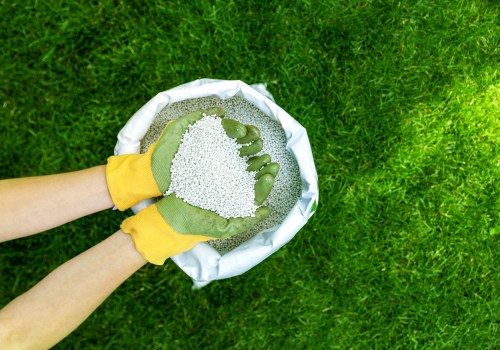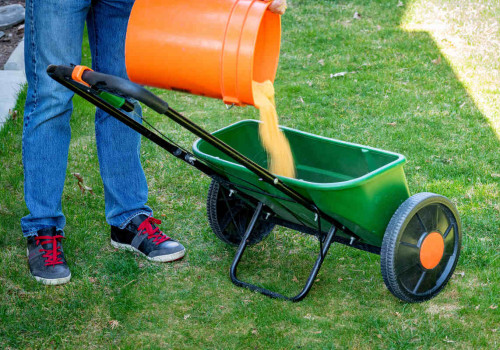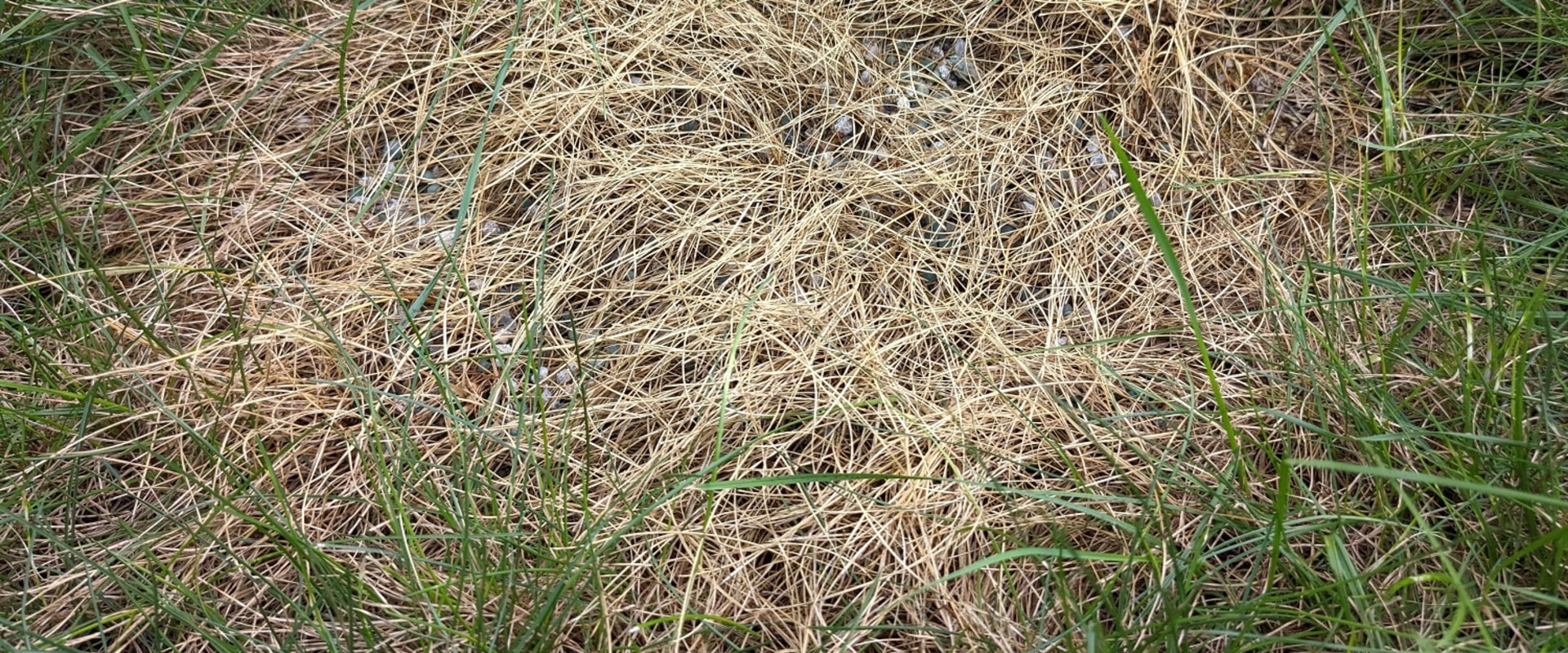
Lawn fertilization is a crucial practice for maintaining a vibrant and healthy lawn. By providing essential nutrients, fertilization promotes robust grass growth, enhances color, and improves the overall resilience of your lawn against pests and diseases. Understanding the importance of lawn fertilization is the first step toward achieving a lush green landscape that can withstand the challenges of varying weather conditions. When you fertilize your lawn, you are essentially giving it the food it needs to thrive. This process not only supports growth but also helps in developing a strong root system, which is vital for drought resistance and nutrient uptake.
However, it’s important to recognize that the benefits of lawn fertilization can be undermined if the lawn is over-watered after application. Excessive moisture can lead to nutrient leaching and create an environment conducive to fungal diseases. As we delve deeper into this topic, we will explore the signs of over-watering a lawn following fertilization. Recognizing these signs early can help you adjust your watering practices and ensure that your lawn receives the optimal care it deserves. By understanding how to properly fertilize and manage water levels, you can cultivate a thriving lawn that not only looks great but also contributes positively to your outdoor environment.
The Importance of Proper Watering After Fertilization
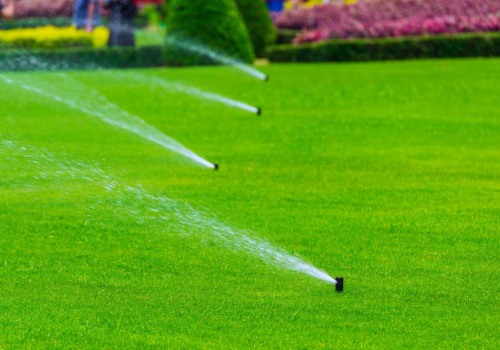
After lawn fertilization, the importance of proper watering cannot be overstated.Water plays a critical role in the absorption of nutrients, ensuring that your grass receives the essential elements it needs to thrive. When fertilizer is applied, it needs moisture to dissolve and penetrate the soil, allowing the roots to access these nutrients effectively.One of the key aspects of watering after fertilization is timing. Ideally, you should water your lawn within 24 hours of applying fertilizer. This helps to activate the fertilizer and prevent it from burning the grass.
However, over-watering can lead to problems such as nutrient leaching and root rot.
How Much to Water
The amount of water needed after fertilization can vary based on several factors, including soil type, weather conditions, and the type of fertilizer used. A general guideline is to aim for about 1 inch of water per week, including rainfall. After fertilizing, a deep watering session of about half an inch can help ensure that the nutrients reach the root zone without saturating the soil.Signs of Over-Watering
- Yellowing Grass: If your grass starts to turn yellow or brown, it may be a sign that it is receiving too much water.
- Soggy Soil: If the soil feels consistently wet or muddy, this indicates over-watering.
- Pest Infestation: Excess moisture can attract pests like mosquitoes and fungus gnats.
- Root Rot: Overly saturated soil can lead to root rot, which severely damages grass health.
By monitoring your lawn's condition and adjusting your watering practices accordingly, you can ensure that your grass remains lush and vibrant.
Signs of Over-Watering Your Lawn
After lawn fertilization, it’s crucial to monitor your lawn for signs of over-watering, as excessive moisture can lead to a host of problems. Here are some key indicators that your lawn may be receiving too much water:- Waterlogged Soil: If the soil feels soggy or muddy when you walk on it, this is a clear sign of over-watering. Healthy soil should be moist but not saturated.
- Yellowing Grass: Over-watered grass often exhibits yellowing leaves, which can be mistaken for nutrient deficiency. This occurs because the roots are deprived of oxygen due to excess water.
- Wilting Grass: Ironically, grass can also appear wilted when over-watered.
This happens because the roots are struggling to absorb nutrients and oxygen from the overly saturated soil.
- Fungal Growth: An increase in fungal diseases, such as mushrooms or mold, is a strong indicator of over-watering. These fungi thrive in damp conditions and can harm your lawn.
- Pest Infestation: Overly moist environments attract pests like grubs and mosquitoes. If you notice an uptick in these pests, it may be due to excessive watering.
Common Symptoms of Over-Watering
Understanding the common symptoms of over-watering your lawn after fertilization is crucial for maintaining a healthy yard.Over-watering can lead to several visible signs that indicate your grass is suffering from excess moisture.
- Yellowing Grass: One of the most noticeable symptoms is the yellowing of grass blades. This discoloration often occurs because the roots are deprived of oxygen due to saturated soil, leading to stress and nutrient deficiencies.
- Mushy Soil: If you notice that your lawn feels spongy or mushy underfoot, it’s a clear sign of over-watering. This condition can create an environment conducive to root rot and other diseases.
- Increased Pest Activity: Overly wet conditions can attract pests such as mosquitoes and grubs. These pests thrive in moist environments, which can lead to further damage to your lawn.
- Fungal Growth: Excess moisture can also promote fungal diseases like brown patch or powdery mildew.
Look for patches of discolored grass or a white, powdery substance on the blades as indicators of fungal issues.
How to Correct Over-Watering Issues
Correcting over-watering issues in your lawn after lawn fertilization is crucial for maintaining a healthy and vibrant yard. Here are some effective strategies to help you manage water levels and restore your lawn's health.Adjust Your Watering Schedule
One of the first steps in correcting over-watering is to reassess your watering schedule. Consider the following tips:- Water less frequently: If you’ve been watering daily, try reducing it to every other day or even less, depending on rainfall and soil moisture.
- Water early in the morning: This allows the grass to absorb moisture before the heat of the day causes evaporation.
- Monitor rainfall: Adjust your watering based on recent rainfall to avoid adding unnecessary water.
Improve Drainage
If your lawn has poor drainage, it can exacerbate over-watering issues.Here are some ways to enhance drainage:
- Aerate the soil: Use a lawn aerator to create holes in the soil, allowing water to penetrate deeper and reducing surface pooling.
- Add organic matter: Incorporating compost or well-rotted manure can improve soil structure and drainage capabilities.
- Create swales or trenches: These can help redirect excess water away from areas that tend to retain moisture.
Monitor Soil Moisture
Regularly checking soil moisture can help you determine when to water. Use a moisture meter or simply dig a small hole to check if the soil is damp below the surface. This will guide you in making informed decisions about watering.By implementing these strategies, you can effectively correct over-watering issues and ensure that your lawn remains healthy and lush after lawn fertilization.Preventing Over-Watering After Fertilization
After lawn fertilization, it’s crucial to manage your watering practices effectively to prevent over-watering, which can lead to a host of problems including nutrient leaching and root rot. Here are some best practices to maintain healthy moisture levels:- Watering Schedule: Wait at least 24 to 48 hours after applying fertilizer before watering your lawn.
This allows the fertilizer to penetrate the soil and be absorbed by the grass roots.
- Check Soil Moisture: Use a soil moisture meter or simply dig a small hole to check the moisture level. If the top inch of soil is still damp, hold off on watering.
- Water Deeply but Infrequently: When you do water, aim for deep watering sessions that reach 6-8 inches into the soil. This encourages deep root growth and helps the grass withstand dry periods.
- Time of Day: Water early in the morning or late in the afternoon to minimize evaporation. Avoid watering during peak sun hours, as this can lead to excessive moisture loss.
- Observe Grass Color: Healthy grass should be a vibrant green.
If you notice a dull or yellowish hue, it may indicate over-watering or nutrient deficiency.
Frequently Asked Questions About Lawn Fertilization and Watering
When it comes to lawn fertilization, understanding the signs of over-watering is crucial for maintaining a healthy lawn. Over-watering can negate the benefits of fertilization and lead to various lawn issues.Signs of Over-Watering
- Yellowing Grass: If your grass starts to turn yellow, it may be a sign that it is receiving too much water. This condition, known as "water stress," can occur when the roots are deprived of oxygen due to saturated soil.
- Soggy Soil: Consistently wet or muddy patches in your lawn indicate over-watering. Healthy soil should be moist but not waterlogged.
- Root Rot: Over-watering can lead to root rot, where the roots begin to decay due to lack of oxygen.
This can severely damage your lawn and may require re-seeding.
- Weed Growth: Excess moisture creates an ideal environment for weeds. If you notice an increase in weed growth after fertilization, it could be due to over-watering.
- Pest Infestation: Overly wet conditions can attract pests like mosquitoes and grubs, which thrive in moist environments.
- Water deeply but infrequently, allowing the soil to dry out between watering sessions.
- Monitor weather conditions; adjust your watering schedule based on rainfall.
- Use a moisture meter to check soil moisture levels before watering.
Conclusion: Key Takeaways on Lawn Care After Fertilization
In summary, understanding the signs of over-watering your lawn after fertilization is crucial for maintaining a healthy and vibrant yard. Proper watering techniques can significantly impact the effectiveness of the fertilizer and the overall health of your grass. Here are the key takeaways to remember:- Watch for discoloration: If your lawn starts to develop yellow or brown patches, it may be a sign of over-watering, which can lead to root rot and other issues.
- Check for pooling water: Excess water that collects on the surface indicates that your lawn is not absorbing moisture properly, often due to over-saturation.
- Monitor grass growth: While fertilization should promote growth, over-watering can lead to weak, spindly grass that struggles to thrive.
- Inspect soil moisture: Use a soil moisture meter or simply dig a small hole to check if the soil is overly wet.
Ideally, the soil should be moist but not soggy.
- Be mindful of weather conditions: Adjust your watering schedule based on rainfall and temperature. Over-watering can be exacerbated by natural precipitation.