Lawn fertilization is a crucial aspect of maintaining a vibrant and healthy lawn. It involves the application of essential nutrients that grass needs to thrive, ensuring that your outdoor space remains lush and green throughout the growing season. Without proper fertilization, lawns can become weak, susceptible to pests, and prone to diseases, ultimately leading to an uninviting landscape. The importance of fertilizing your lawn cannot be overstated. Just as humans require a balanced diet to stay healthy, grass also needs a specific blend of nutrients such as nitrogen, phosphorus, and potassium.
These elements play vital roles in promoting root development, enhancing color, and improving overall resilience against environmental stressors. By understanding the benefits of lawn care through fertilization, homeowners can take proactive steps to ensure their lawns not only look good but also contribute positively to the ecosystem. Moreover, a well-fertilized lawn can significantly improve soil health, leading to better water retention and reduced erosion. This not only benefits your grass but also supports local wildlife and promotes biodiversity in your garden. As we delve deeper into the specifics of lawn fertilization, it becomes clear that investing time and resources into this practice yields substantial rewards for both your property and the environment.
Factors Influencing Fertilizer Needs
When it comes to lawn fertilization, several key factors influence the amount of fertilizer your lawn requires.Understanding these factors can help you achieve a lush, healthy lawn while avoiding over-fertilization, which can lead to environmental issues.
Soil Type
The type of soil in your yard plays a significant role in determining fertilizer needs. Different soils have varying nutrient-holding capacities:- Sandy soils drain quickly and often require more frequent fertilization due to their low nutrient retention.
- Clay soils retain nutrients better but can become compacted, making it essential to aerate before applying fertilizer.
- Silty soils are generally fertile and may need less frequent applications.
Grass Type
The species of grass you have also affects how much fertilizer is needed. Cool-season grasses, such as Kentucky bluegrass, thrive in northern climates and typically require more nitrogen in the fall. In contrast, warm-season grasses like Bermuda grass flourish in southern regions and benefit from fertilization in late spring and summer.Climate Impact
Your local climate significantly influences lawn care practices.For instance:
- In areas with high rainfall, you may need to adjust your fertilization schedule to prevent nutrient runoff.
- Conversely, in arid regions, lawns may require more frequent applications to compensate for evaporation and dry conditions.
Types of Fertilizers and Their Application Rates
When it comes to lawn fertilization, understanding the different types of fertilizers available and their respective application rates is crucial for achieving a lush, healthy lawn. Here, we will explore the main types of fertilizers and provide guidance on how much to use.Types of Lawn Fertilizers
- Granular Fertilizers: These are solid particles that can be spread over the lawn. They typically release nutrients slowly, making them ideal for long-term feeding.
The recommended application rate is usually between 0.5 to 1 pound of nitrogen per 1,000 square feet, depending on the specific product.
- Liquid Fertilizers: These fertilizers are mixed with water and applied using a sprayer. They provide quick nutrient absorption, which is beneficial for immediate lawn needs. Application rates can vary widely, but a common recommendation is to apply 1 to 2 pounds of nitrogen per 1,000 square feet every 4 to 6 weeks during the growing season.
- Organic Fertilizers: Derived from natural sources, these fertilizers improve soil health while providing nutrients. They generally have lower nutrient concentrations, so application rates may be higher—around 2 to 4 pounds of nitrogen per 1,000 square feet is common.
- Synthetic Fertilizers: These are chemically manufactured and often contain higher concentrations of nutrients.
For synthetic options, the application rate can range from 0.5 to 1 pound of nitrogen per 1,000 square feet, similar to granular fertilizers.
Granular vs Liquid Fertilizers
The choice between granular and liquid fertilizers often depends on your lawn's specific needs and your personal preferences. Granular fertilizers are easier to apply and require less frequent applications, while liquid fertilizers can deliver nutrients more rapidly but may need more frequent applications.Ultimately, understanding the type of fertilizer you choose and adhering to the recommended application rates will ensure that your lawn receives the right amount of nutrients for optimal growth and health.How to Calculate the Right Amount of Fertilizer
Calculating the right amount of fertilizer for your lawn is essential for achieving a lush, green landscape. To begin, you need to accurately measure your lawn's size. This can be done using a simple tape measure or by utilizing online tools that help estimate area based on your property’s dimensions.Step 1: Measure Your Lawn Size
- For rectangular or square lawns, multiply the length by the width (Length x Width).
- For circular areas, use the formula: Area = π x (Radius x Radius).
- If your lawn has an irregular shape, break it down into smaller sections, calculate each area separately, and then sum them up.
Most fertilizers will provide a recommended application rate on the packaging, typically expressed in pounds per 1,000 square feet.
Step 2: Calculate Fertilizer Needs
To find out how much fertilizer to apply:
- Take your total lawn area in square feet and divide it by 1,000.
- Multiply this number by the recommended rate from the fertilizer package. For example, if your lawn is 5,000 square feet and the fertilizer recommends 5 pounds per 1,000 square feet:
- (5,000 / 1,000) x 5 = 25 pounds of fertilizer needed.
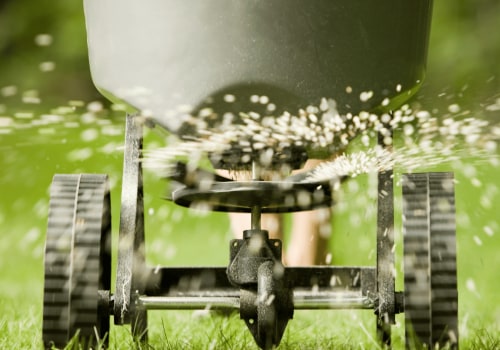
Step 3: Adjusting Fertilizer Spreader Settings
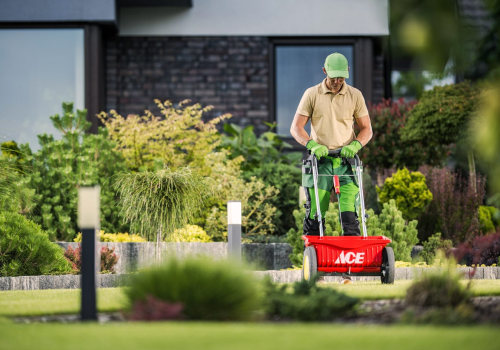
Using a fertilizer spreader correctly is crucial for even distribution:
- Check the spreader settings based on the type of fertilizer you are using; this information is often found on the product label.
- Calibrate your spreader before application to ensure you are applying the correct amount.
- Make sure to overlap slightly with each pass to avoid streaks or missed spots.
Best Practices for Lawn Fertilization
When it comes to lawn fertilization, adhering to best practices is essential for achieving a lush, green lawn. Understanding the optimal timing and frequency of application can significantly impact the health and appearance of your grass.Timing for Fertilization
The timing of your fertilizer application is crucial. Generally, the best times to fertilize your lawn are in the spring and fall.In the spring, as temperatures begin to rise, applying a nitrogen-rich fertilizer can promote vigorous growth. Aim for late April to early May, when grass is actively growing but before the heat of summer sets in.In the fall, typically around September to October, a balanced fertilizer helps prepare your lawn for winter. This application supports root development and ensures that your grass has the nutrients it needs to survive cold temperatures.
Frequency of Application
The frequency of lawn fertilization depends on several factors, including grass type and soil quality. For most lawns, applying fertilizer two to four times a year is sufficient.Here’s a simple guideline:
- Cool-season grasses: Fertilize in early spring and again in early fall.
- Warm-season grasses: Fertilize in late spring and again in late summer.
Common Mistakes to Avoid in Lawn Fertilization
When it comes to lawn fertilization, many homeowners inadvertently make mistakes that can lead to poor lawn health. Understanding these common pitfalls is essential for achieving a lush, green yard.- Over-fertilizing: One of the most frequent errors is applying too much fertilizer.
This can result in a phenomenon known as "fertilizer burn," where the grass becomes discolored and may even die off in patches. Over-fertilization can also lead to excessive growth, making the lawn more susceptible to pests and diseases.
- Under-fertilizing: On the flip side, not using enough fertilizer can hinder your lawn's growth and vitality. A lack of essential nutrients can lead to weak root systems, making the grass more vulnerable to drought and disease. Signs of under-fertilization include yellowing grass and sparse growth.
- Ignoring soil tests: Many homeowners skip soil testing, which is crucial for understanding the nutrient needs of their lawn.
Without this information, you may apply the wrong type or amount of fertilizer, leading to imbalances that can harm your grass.
- Fertilizing at the wrong time: Timing is critical in lawn fertilization. Applying fertilizer during extreme weather conditions, such as high heat or heavy rain, can wash away nutrients or cause stress to the grass. It's best to fertilize during the growing season when the grass can effectively absorb nutrients.
- Neglecting proper application techniques: How you apply fertilizer matters just as much as how much you use. Using a spreader incorrectly can lead to uneven distribution, resulting in some areas receiving too much while others get too little.
Always follow manufacturer instructions for application rates and methods.
Frequently Asked Questions About Lawn Fertilization
When it comes to lawn fertilization, homeowners often have several questions regarding the best practices to ensure a healthy and vibrant lawn. Here are some frequently asked questions that can help guide your fertilization efforts.How often should I fertilize my lawn?
The frequency of lawn fertilization largely depends on the type of grass you have and the specific fertilizer you are using. Generally, it is recommended to fertilize your lawn:- Cool-season grasses: 2 to 4 times a year, typically in early spring and fall.
- Warm-season grasses: 2 to 3 times a year, usually in late spring and summer.
What are the signs of over-fertilization?
Over-fertilization can harm your lawn rather than help it.Here are some common signs that you may be applying too much fertilizer:
- Burned grass tips: Grass blades may appear brown or scorched.
- Excessive growth: If your lawn is growing too quickly, it may indicate an overload of nutrients.
- Pest problems: Over-fertilized lawns can attract pests and diseases due to weakened grass health.
- Water runoff: If you notice fertilizer runoff during rain, it may suggest that you are applying too much.
Conclusion: Achieving a Lush Green Lawn Through Proper Fertilization
In conclusion, achieving a lush green lawn is not merely a matter of regular mowing and watering; it requires a thoughtful approach to lawn fertilization. Understanding the specific needs of your grass type, soil conditions, and local climate is essential for determining the right amount of fertilizer to apply. By following the guidelines outlined in this article, homeowners can ensure their lawns receive the nutrients necessary for optimal growth.To recap, here are the key points to consider:- Soil Testing: Conducting a soil test is crucial to identify nutrient deficiencies and pH levels, which will guide your fertilization strategy.
- Type of Fertilizer: Choose between synthetic and organic fertilizers based on your lawn's specific needs and your personal preferences.
- Application Rates: Adhere to recommended application rates, typically ranging from 1 to 4 pounds of nitrogen per 1,000 square feet per year, depending on grass type and growth stage.
- Timing: Fertilize at the right times of the year—early spring and fall for cool-season grasses, and late spring through summer for warm-season varieties.
- Watering: Proper watering after fertilization helps nutrients penetrate the soil and reach grass roots effectively.
Remember that lawn fertilization is an ongoing process that requires attention and adjustment based on seasonal changes and lawn health. With patience and care, your efforts will result in a thriving green space that you can enjoy year-round.