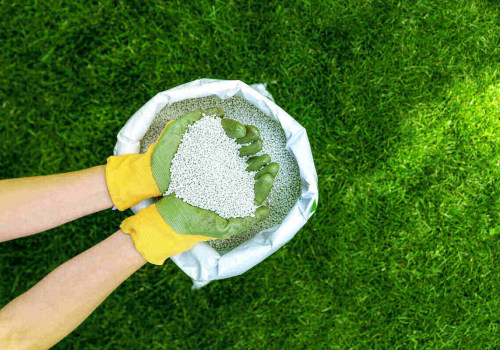
Understanding lawn fertilization is crucial for any homeowner looking to maintain a vibrant and healthy lawn. Fertilization involves the application of nutrients to the soil, which supports grass growth and enhances the overall appearance of your yard. However, with various types of fertilizers available, it can be challenging to determine which one is best suited for your lawn's specific needs. There are primarily two categories of fertilizers: synthetic and organic. Synthetic fertilizers are chemically manufactured and provide a quick nutrient boost, making them popular for immediate results.
On the other hand, organic fertilizers are derived from natural sources, such as compost or manure, and release nutrients more slowly, promoting long-term soil health. Each type has its own set of benefits; for instance, organic options improve soil structure and microbial activity, while synthetic varieties can be more convenient for rapid greening. The benefits of proper fertilization extend beyond just aesthetics. A well-fertilized lawn can resist pests and diseases better, withstand drought conditions, and recover more quickly from wear and tear. Understanding how to balance these nutrients without over-fertilizing is essential to avoid issues like nutrient runoff or lawn burn.
By learning about the different types of fertilizers and their respective advantages, you can make informed decisions that lead to a lush, healthy lawn while minimizing environmental impact.
Signs Your Lawn Needs Fertilization
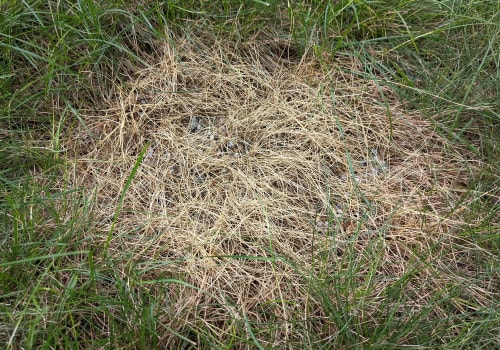
Maintaining a healthy lawn requires keen observation of its condition. Recognizing the signs your lawn needs fertilization is crucial for promoting optimal growth and preventing nutrient deficiencies. Here are some key indicators to watch for:- Color Changes: A vibrant green lawn is a sign of good health. If you notice patches of yellowing grass, it may indicate a lack of essential nutrients, particularly nitrogen.
- Growth Patterns: If your grass is growing unevenly or appears stunted, it could be a sign that it’s not receiving adequate nutrients.
Healthy lawns should exhibit consistent growth across all areas.
- Thatch Buildup: Excessive thatch can prevent nutrients from reaching the soil. If you notice a thick layer of dead grass and roots on the surface, it may be time to aerate and fertilize.
- Weed Proliferation: An increase in weeds can signal that your lawn is struggling. Weeds often thrive in nutrient-poor soils, so if they are taking over, consider evaluating your fertilization strategy.
However, if you observe any of the signs mentioned above, it may be necessary to apply fertilizer sooner. Additionally, understanding nutrient deficiencies can help you make informed decisions about fertilization. For instance, if your lawn has a bluish tint or is slow to recover from foot traffic, it might be lacking in potassium. Conducting a soil test can provide valuable insights into what specific nutrients your lawn may need. By being vigilant and responsive to these signs, you can maintain a lush and healthy lawn without the risk of over-fertilizing.
Choosing the Right Fertilizer for Your Lawn
When it comes to lawn fertilization, selecting the right fertilizer is crucial for maintaining a healthy lawn without the risk of over-fertilizing. The choice largely depends on your lawn type, soil conditions, and personal preferences regarding sustainability.Best Fertilizers for Lawns
There are various types of fertilizers available, but the best options typically fall into two categories: organic and synthetic.Organic fertilizers, such as compost or manure, release nutrients slowly and improve soil health over time. They are ideal for those looking to enhance soil structure and promote microbial activity.Synthetic fertilizers, on the other hand, provide a quick nutrient boost and are often more concentrated. They can be effective for immediate results but may lead to nutrient runoff if not applied correctly. Understanding your lawn's specific needs will help you choose the most suitable option.
Organic vs Synthetic Fertilizers
- Organic Fertilizers: Derived from natural sources, they are less likely to harm the environment and improve soil health.
- Synthetic Fertilizers: Manufactured chemicals that offer rapid nutrient availability but can contribute to soil degradation if used excessively.
They not only nourish your lawn but also support a healthier ecosystem.
Slow-Release Fertilizers
Another important consideration is the type of release mechanism of the fertilizer.Slow-release fertilizers
gradually supply nutrients over an extended period, reducing the risk of leaching and minimizing the need for frequent applications. This method aligns well with sustainable lawn care practices, as it helps maintain consistent nutrient levels without overwhelming your grass.In conclusion, choosing the right fertilizer involves understanding your lawn's unique requirements and considering both organic and synthetic options. By opting for slow-release formulations and prioritizing sustainable choices, you can achieve a lush, healthy lawn while minimizing environmental impact.Soil Testing: The Key to Effective Lawn Care
Maintaining a healthy lawn begins with understanding its unique needs, and soil testing is the cornerstone of effective lawn care.By analyzing your soil, you can determine its nutrient composition and pH level, which are critical for optimal grass growth.
How to Test Soil pH
- Purchase a soil test kit from a local garden center or online.
- Collect samples from different areas of your lawn to get a comprehensive view.
- Follow the instructions provided with the kit to mix your soil with water and test strips or reagents.
- Compare the resulting color to the chart included in the kit to determine your soil's pH level.
Understanding Soil Nutrients
In addition to pH, soil testing reveals essential nutrients such as nitrogen, phosphorus, and potassium (N-P-K). Each of these plays a vital role in lawn health:
- Nitrogen: Promotes lush, green growth and is crucial for leaf development.
- Phosphorus: Supports root development and flowering, making it essential for establishing new lawns.
- Potassium: Enhances drought resistance and overall plant health.
This not only promotes a healthier lawn but also minimizes the risk of over-fertilization, which can lead to environmental issues such as runoff and water pollution.In summary, regular soil testing is an invaluable practice for any homeowner looking to maintain a vibrant lawn. By understanding your soil's pH and nutrient levels, you can create a customized care plan that supports sustainable growth while protecting the environment.
Natural Alternatives to Chemical Fertilizers
Maintaining a healthy lawn without relying on chemical fertilizers is not only beneficial for the environment but also promotes sustainable lawn care practices.Natural alternatives
can provide essential nutrients to your grass while minimizing the risk of over-fertilization.One of the most effective methods is composting. Compost enriches the soil with organic matter, improving its structure and water retention capabilities.By creating a compost pile using kitchen scraps, yard waste, and other organic materials, you can produce a nutrient-rich amendment that can be applied to your lawn. Here’s how to get started:
- Choose a location: Select a dry, shady spot near a water source for your compost pile.
- Add materials: Combine green materials (like grass clippings and vegetable scraps) with brown materials (such as dried leaves and cardboard).
- Maintain the pile: Turn the compost regularly to aerate it and speed up decomposition.
- Apply to your lawn: Once the compost is dark and crumbly, spread it evenly across your lawn.
When selecting an organic fertilizer, look for products that are specifically formulated for lawns and follow the recommended application rates to avoid over-fertilization.Additionally, incorporating practices like mulching can enhance your lawn's health. By leaving grass clippings on the lawn after mowing, you return valuable nutrients back to the soil. This not only reduces waste but also helps maintain moisture levels in the soil.In conclusion, adopting natural alternatives to chemical fertilizers through composting, using organic fertilizers, and practicing mulching can significantly contribute to a healthy lawn while preventing over-fertilization. These eco-friendly practices not only support your lawn's vitality but also promote a healthier ecosystem overall.
Maintaining Lawn Health Through Proper Watering and Mowing Techniques
Maintaining a healthy lawn is not solely about lawn fertilization; it also heavily relies on proper watering and mowing techniques.These practices can significantly enhance the resilience of your grass, reducing the need for excessive fertilizers.
Effective Lawn Watering Tips
- Water Deeply and Infrequently: Instead of frequent shallow watering, aim for deep watering sessions that penetrate the soil. This encourages deeper root growth, making your lawn more drought-resistant.
- Time Your Watering: Early morning is the best time to water your lawn. This allows the grass to absorb moisture before the heat of the day causes evaporation.
- Monitor Rainfall: Keep an eye on natural rainfall. Adjust your watering schedule accordingly to avoid overwatering, which can lead to nutrient leaching and promote disease.
Mowing Techniques for Healthy Grass
- Keep Your Mower Blades Sharp: Dull blades tear grass rather than cut it cleanly, leading to stress and potential disease.
Regularly sharpen your mower blades for a clean cut.
- Mow at the Right Height: Different grass types have optimal mowing heights. Generally, keeping your grass taller helps shade the soil, reducing weed growth and retaining moisture.
- Avoid Cutting Wet Grass: Mowing when the grass is wet can lead to uneven cuts and clumping, which may smother parts of your lawn. Wait until the grass is dry for a more effective mow.
Common Myths About Lawn Fertilization Debunked
When it comes to lawn fertilization, many homeowners are influenced by common myths that can lead to poor lawn care practices.Understanding these misconceptions is crucial for maintaining a healthy lawn without the risk of over-fertilizing.
- Myth 1: More Fertilizer Equals a Greener Lawn
Many believe that applying more fertilizer will result in a lusher, greener lawn. In reality, over-fertilizing can lead to nutrient runoff, which harms the environment and can damage your grass. A balanced approach is key. - Myth 2: Fertilizing in the Fall is Unnecessary
Some homeowners think that fertilization is only needed in the spring. However, fall fertilization is essential for cool-season grasses as it helps them store nutrients for winter and promotes early spring growth. - Myth 3: All Fertilizers are the Same
Not all fertilizers provide the same nutrients or release them at the same rate.Understanding the differences between quick-release and slow-release fertilizers can help you choose the right product for your lawn's specific needs.
- Myth 4: You Can’t Fertilize a New Lawn
New lawns actually benefit from proper fertilization. Using a starter fertilizer can help establish strong roots and promote healthy growth, setting the stage for a vibrant lawn. - Myth 5: Rain Will Wash Away Fertilizer
While heavy rain can wash away some nutrients, light rain or watering after application helps the fertilizer penetrate the soil. Timing your fertilization with weather patterns can enhance effectiveness.
Conclusion: Achieving a Healthy Lawn Sustainably
In conclusion, maintaining a healthy lawn without over-fertilizing is not only possible but essential for the environment and the longevity of your grass.By adopting sustainable practices, you can achieve a vibrant lawn that thrives naturally. To recap, here are the key strategies for effective lawn fertilization:
- Soil Testing: Regularly test your soil to understand its nutrient needs. This will help you apply fertilizers only when necessary and in the right amounts.
- Organic Fertilizers: Consider using organic options that release nutrients slowly, reducing the risk of over-fertilization and promoting healthier soil biology.
- Proper Timing: Fertilize during the growing season when your grass can utilize the nutrients effectively. Avoid fertilizing during dormancy.
- Grass Clippings: Leave grass clippings on the lawn after mowing. They decompose quickly and return valuable nutrients back to the soil.
- Watering Wisely: Water your lawn deeply but infrequently to encourage deep root growth.
This practice helps your grass become more resilient and reduces the need for excessive fertilization.