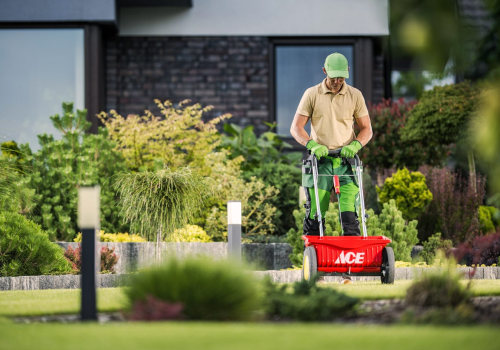
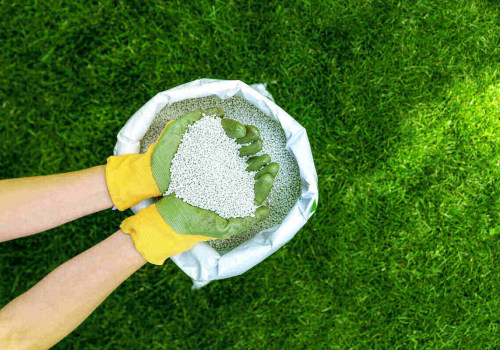
Lawn fertilization is a crucial aspect of maintaining a vibrant and healthy lawn. It involves the application of nutrients that promote growth, enhance color, and improve the overall resilience of grass. Understanding the importance of lawn fertilization is essential for homeowners who wish to create an inviting outdoor space. A well-fertilized lawn not only looks appealing but also contributes to environmental health by reducing soil erosion and improving air quality. There are various types of lawn fertilizers, each designed to meet specific needs.
These can be broadly categorized into organic and synthetic options. Organic fertilizers, such as compost and manure, are derived from natural sources and provide a slow release of nutrients, which can be beneficial for long-term soil health. On the other hand, synthetic fertilizers offer quick nutrient availability, making them effective for immediate results. Understanding these differences allows homeowners to choose the right product based on their lawn's specific requirements. The benefits of fertilizing your lawn extend beyond aesthetics.
Regular fertilization helps to strengthen grass roots, making them more resistant to pests and diseases. Additionally, a well-nourished lawn can better withstand drought conditions, reducing the need for excessive watering. By investing in proper lawn care through fertilization, homeowners can enjoy a lush green space that enhances their property’s value and provides a perfect setting for outdoor activities.
What Are Kitchen Scraps?
Kitchen scraps
refer to the organic waste generated from food preparation and consumption. These scraps are often discarded but can be repurposed to enrich soil and promote healthy plant growth, including for lawn fertilization.Common types of kitchen scraps include:
- Fruit and vegetable peels: Items like potato skins, apple cores, and carrot tops are rich in nutrients.
- Coffee grounds: These are high in nitrogen and can help improve soil structure.
- Eggshells: Crushed eggshells provide calcium, which is essential for plant health.
- Bread and grains: While these should be used sparingly, they can add organic matter to compost.
- Herbs and spices: Old or unused herbs can also contribute beneficial nutrients.
By creating a compost pile or bin, you can transform these scraps into nutrient-rich compost that enhances soil fertility. The composting process involves layering green materials (like fruit scraps) with brown materials (such as dried leaves or cardboard) to create a balanced mix that decomposes over time.Alternatively, some kitchen scraps can be used directly in the garden. For instance, burying vegetable peels or coffee grounds in the soil can provide immediate nutrients to your lawn. However, it’s important to avoid adding meat, dairy, or oily foods, as these can attract pests and create odors.In summary, understanding what kitchen scraps are and how they can be utilized not only helps reduce waste but also supports sustainable practices in lawn fertilization.
By incorporating these organic materials into your gardening routine, you can promote a healthier lawn while minimizing your environmental footprint.
Nutritional Value of Kitchen Scraps for Lawns
Utilizing kitchen scraps as a source of organic lawn fertilizer can significantly enhance the nutritional profile of your lawn. Many common kitchen waste items are rich in essential nutrients that promote healthy grass growth and improve soil quality.Here are some common kitchen scraps and their nutritional benefits:- Fruit and Vegetable Peels: These scraps are high in nitrogen, phosphorus, and potassium, which are vital for plant health. For instance, banana peels are particularly rich in potassium, aiding in root development and overall plant vigor.
- Coffee Grounds: A great source of nitrogen, coffee grounds also help improve soil structure and drainage. They can attract earthworms, which further aerate the soil.
- Eggshells: Crushed eggshells provide calcium, which is crucial for cell wall structure in plants.
This can help prevent issues like blossom end rot in certain grass types.
- Grass Clippings: While not a kitchen scrap per se, leftover clippings from mowing can be composted with kitchen waste to create a nutrient-rich fertilizer. They decompose quickly and return nitrogen to the soil.
This balance ensures that the nutrients are released slowly over time, providing sustained nourishment for your lawn.In conclusion, understanding the nutritional value of kitchen scraps allows homeowners to make informed decisions about lawn fertilization. By leveraging these organic materials, you can cultivate a lush, green lawn while promoting environmental sustainability.
How to Use Kitchen Scraps as Lawn Fertilizer
Using kitchen scraps as fertilizer for your lawn can be an effective and sustainable way to enhance soil health and promote lush growth. Here’s how to do it properly:Methods of Application
There are several methods to apply kitchen scraps to your lawn:- Composting: The most common method is to compost your kitchen scraps. Create a compost pile or use a compost bin, adding layers of kitchen waste along with yard debris like grass clippings and leaves.
This process will break down the materials into nutrient-rich compost that can be spread over your lawn.
- Direct Application: If you prefer a quicker method, you can directly apply certain kitchen scraps, such as vegetable peels or coffee grounds, onto the lawn. However, it’s essential to chop them into smaller pieces to speed up decomposition.
- Liquid Fertilizer: Another effective approach is to create a liquid fertilizer by steeping kitchen scraps in water for a few days. Strain the mixture and use the nutrient-rich liquid to water your lawn.
Recommended Quantities
When applying kitchen scraps, moderation is key. Aim for about 1-2 inches of compost or organic material spread evenly across your lawn.If using direct application, limit it to small amounts (a handful) per square yard to avoid attracting pests or creating odors.
Best Practices for Using Kitchen Scraps
- Avoid Meat and Dairy: Stick to plant-based scraps like fruit and vegetable peels, coffee grounds, and eggshells. Meat and dairy can attract unwanted pests.
- Mix with Soil: To enhance nutrient absorption, mix the scraps into the top layer of soil rather than leaving them on the surface.
- Monitor pH Levels: Regularly check the pH of your soil, as some kitchen scraps can alter its acidity. Aim for a balanced pH for optimal grass health.
Potential Risks and Considerations
While using leftover kitchen scraps as fertilizer can be an eco-friendly option for lawn fertilization, there are several potential risks and considerations that homeowners should keep in mind.Attracting Pests
One of the primary concerns with using kitchen scraps is the potential to attract unwanted pests.Items like fruit peels, vegetable scraps, and other organic materials can draw in insects, rodents, and even larger animals. This not only disrupts your lawn but can also lead to further issues in your garden or home.
Pathogen Introduction
Another significant risk is the introduction of pathogens. Certain kitchen scraps, especially those from animal products like meat or dairy, can harbor bacteria that may be harmful to both plants and humans. If these pathogens are not properly composted or broken down, they can contaminate your soil and pose health risks.Nutrient Imbalance
Using kitchen scraps indiscriminately can also lead to nutrient imbalances in your lawn.For instance, high nitrogen content from certain scraps can promote excessive growth, making your lawn more susceptible to diseases and pests. It’s essential to balance the types of scraps you use to ensure a healthy lawn.
Considerations for Lawn Fertilization
- Composting: Consider composting your kitchen scraps first. This process helps break down harmful pathogens and balances nutrients.
- Research: Educate yourself on which kitchen scraps are safe for lawn use. Avoid items like citrus peels, which can be harmful in large quantities.
- Application: Apply kitchen scraps sparingly and mix them well into the soil to minimize risks.
Always prioritize the health of your lawn and surrounding environment when considering this sustainable practice.
Comparing Kitchen Scraps with Commercial Fertilizers
When considering lawn fertilization, many homeowners find themselves weighing the benefits of using kitchen scraps against traditional commercial fertilizers. Each option has its own set of advantages and disadvantages that can significantly impact both your lawn's health and your wallet.Effectiveness of Kitchen Scraps vs. Commercial Fertilizers
Kitchen scraps, such as vegetable peels, coffee grounds, and eggshells, can provide essential nutrients to your lawn. They are rich in nitrogen, phosphorus, and potassium, which are vital for plant growth.However, the nutrient content can vary widely depending on the type of scraps used and their decomposition process.On the other hand, commercial fertilizers are formulated to deliver a precise balance of nutrients. They often contain additional micronutrients that may not be present in kitchen scraps. This makes them a reliable choice for those seeking immediate results in lawn health.
Benefits of Organic Fertilizers
- Environmental Impact: Using kitchen scraps reduces waste and promotes sustainability.
- Soil Health: Organic matter from kitchen scraps improves soil structure and encourages beneficial microorganisms.
- Cost-Effective: Utilizing what you already have can save money compared to purchasing commercial products.
Cost Comparison
The cost of commercial fertilizers can add up quickly, especially if you have a large lawn. Prices vary based on brand and formulation, but they typically range from $10 to $50 for a bag that covers a specific area.In contrast, using kitchen scraps is virtually free, as it involves repurposing waste that would otherwise be discarded.However, it’s important to note that while kitchen scraps are cost-effective, they may require more time and effort to prepare and apply effectively. Additionally, achieving the same level of nutrient concentration as commercial fertilizers might take longer with organic options.In conclusion, both kitchen scraps and commercial fertilizers have their place in lawn fertilization. The choice ultimately depends on your gardening philosophy, budget, and the specific needs of your lawn.
Frequently Asked Questions About Using Kitchen Scraps for Lawn Care
Using kitchen scraps as fertilizer for your lawn can be a sustainable and cost-effective way to enhance lawn fertilization. However, many homeowners have questions about the best practices and potential drawbacks.Here are some frequently asked questions:
Can all kitchen scraps be used for lawn care?
Not all kitchen scraps are suitable for lawn fertilization. Generally, you can use:- Fruit and vegetable peels
- Coffee grounds
- Eggshells
- Grains and bread
How should I prepare kitchen scraps for my lawn?
To effectively use kitchen scraps as fertilizer, consider the following steps:- Chop or blend the scraps into smaller pieces to speed up decomposition.
- Compost the scraps first if possible. This process helps break down the materials and reduces the risk of attracting pests.
- Spread the composted material evenly across your lawn, avoiding large clumps.
How often can I apply kitchen scraps to my lawn?
You can apply kitchen scraps or compost every 4-6 weeks during the growing season. This frequency allows your lawn to absorb nutrients without overwhelming it.What are the benefits of using kitchen scraps for lawn care?
Utilizing kitchen scraps as fertilizer offers several benefits:- Nutrient-rich: Kitchen scraps provide essential nutrients that promote healthy grass growth.
- Sustainable practice: Reduces waste and promotes eco-friendly gardening.
- Cost-effective: Saves money on commercial fertilizers.
Conclusion: Embracing Sustainable Lawn Care Practices
In conclusion, utilizing leftover kitchen scraps as a natural fertilizer for your lawn is not only a practical solution but also a significant step towards sustainable lawn care.By embracing this eco-friendly practice, you can reduce waste while enriching your soil with essential nutrients.Throughout this article, we explored the various types of kitchen scraps that can be effectively used for lawn fertilization, including fruit and vegetable peels, coffee grounds, and eggshells. Each of these materials contributes unique benefits:
- Fruit and vegetable scraps provide vital nitrogen and potassium, promoting healthy grass growth.
- Coffee grounds enhance soil acidity and attract beneficial earthworms.
- Eggshells are rich in calcium, which helps strengthen grass roots.
By using kitchen scraps as fertilizer, you can create a lush, vibrant lawn while supporting environmental sustainability. Start small by integrating one or two types of scraps into your fertilization routine and watch as your lawn thrives naturally.