Understanding dormant lawns is essential for any homeowner looking to maintain a healthy and vibrant yard. A dormant lawn is one that has entered a state of rest, typically due to environmental stressors such as extreme heat, drought, or cold temperatures. During this period, the grass conserves energy and resources, leading to a brown or yellow appearance. While it may seem alarming, this natural process is a survival mechanism that allows the grass to endure unfavorable conditions until more favorable growth conditions return. Several factors can trigger lawn dormancy.
The most common causes include insufficient water supply, particularly during hot summer months, or exposure to freezing temperatures in winter. Additionally, certain grass types are more prone to dormancy than others; for instance, cool-season grasses often go dormant during the heat of summer, while warm-season grasses may enter dormancy during colder months. Recognizing these signs is crucial for homeowners who want to ensure their lawns recover effectively when conditions improve. Signs of a dormant lawn include a change in color from vibrant green to shades of brown or yellow and a noticeable reduction in growth. While it may appear lifeless, understanding that this is a temporary state can help homeowners make informed decisions about lawn fertilization and care practices.
Knowing when and how to fertilize a dormant lawn can significantly impact its recovery and overall health once it reawakens in the growing season.
The Role of Fertilization in Lawn Health
Lawn fertilization plays a crucial role in maintaining a healthy and vibrant lawn. It provides essential nutrients that grass needs to thrive, especially during the growing season. Understanding the benefits of fertilization can help homeowners make informed decisions about their lawn care practices.One of the primary benefits of lawn fertilization is its ability to promote strong root development. A well-fertilized lawn develops deeper roots, which enhances drought resistance and improves overall resilience against pests and diseases.This is particularly important for lawns that experience stress from environmental factors.Additionally, fertilization helps to replenish nutrients that may be depleted from the soil over time. Common nutrients found in fertilizers include:
- Nitrogen (N): Essential for leaf growth and overall plant vigor.
- Phosphorus (P): Important for root development and flowering.
- Potassium (K): Aids in water regulation and disease resistance.
For dormant lawns, while fertilization may not yield immediate visible results, it can set the stage for a robust recovery once growth resumes.In summary, understanding the importance of lawn fertilization is essential for any homeowner looking to maintain a healthy lawn. By providing necessary nutrients and promoting strong growth, fertilization is a vital component of effective lawn care.
Can You Fertilize a Dormant Lawn?
When considering lawn fertilization for a dormant lawn, it's essential to understand the implications and potential benefits. A dormant lawn typically occurs during extreme weather conditions, such as winter or drought, when grass growth slows significantly or halts altogether. Fertilizing during this period can be a contentious topic among lawn care enthusiasts.Should I Fertilize Dormant Grass?
In general, it is not advisable to apply fertilizer to a dormant lawn.
The primary reason is that the grass is not actively growing, meaning it cannot effectively utilize the nutrients provided by the fertilizer. Applying fertilizer during dormancy can lead to nutrient runoff, which not only wastes resources but can also harm the environment.However, there are exceptions. If you live in a region where the grass type is known to benefit from early spring fertilization before it fully wakes up, applying a slow-release fertilizer can be beneficial. This approach allows the nutrients to be available as the grass begins to grow again.
Effects of Fertilizing a Dormant Lawn
- Nutrient Waste: Fertilizer applied to dormant grass may not be absorbed, leading to wasted resources.
- Environmental Impact: Excess nutrients can leach into waterways, causing pollution and algal blooms.
- Potential for Weeds: Fertilizing can encourage weed growth, as many weeds are more resilient and may thrive even when grass is dormant.
This ensures that your efforts in lawn fertilization yield the best results and contribute positively to your lawn's health and the environment.
Best Practices for Fertilizing Lawns
When it comes to lawn fertilization, understanding the best practices can significantly enhance the health and appearance of your lawn. Here are some key considerations to keep in mind:Timing for Fertilizing Lawns
The timing of your fertilization is crucial. Generally, the best times to fertilize your lawn are:- Early Spring: This is when cool-season grasses begin to grow actively. Applying a nitrogen-rich fertilizer can help jumpstart growth.
- Late Spring: A second application can support continued growth and prepare the lawn for summer heat.
- Fall: For cool-season grasses, a fall application helps strengthen roots and prepares the lawn for winter dormancy.
- Summer: If you have warm-season grasses, fertilizing in late spring or early summer will promote lush growth during the warmer months.
Types of Fertilizers for Lawns
Selecting the right type of fertilizer is essential for effective lawn fertilization.Here are some common types:
- Granular Fertilizers: These are easy to apply and provide a slow release of nutrients over time. They are ideal for long-term feeding.
- Liquid Fertilizers: These offer quick nutrient absorption and are great for immediate results. However, they may require more frequent applications.
- Organic Fertilizers: Made from natural materials, these fertilizers improve soil health and promote beneficial microbial activity.
- Synthetic Fertilizers: These provide concentrated nutrients and can be tailored to specific grass types and soil conditions.
Application Methods
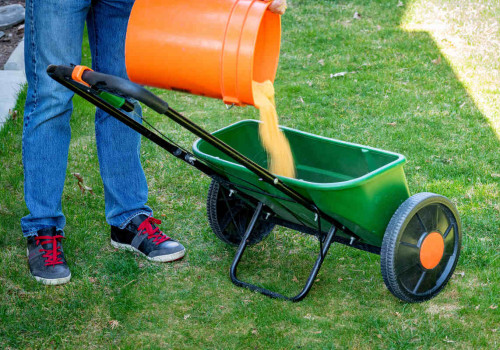
The method of application can also impact the effectiveness of your fertilization efforts. Consider these techniques:- Broadcast Spreader: This tool allows for even distribution of granular fertilizers across large areas.
- Lawn Sprayer: For liquid fertilizers, using a sprayer ensures uniform coverage and quick absorption.
- Hand Application: For small patches or specific areas, hand application can be effective but requires careful attention to avoid over-fertilization.
When to Fertilize Your Lawn: Seasonal Considerations
Understanding when to fertilize your lawn is crucial for maintaining a healthy and vibrant yard.The timing of lawn fertilization can significantly impact grass growth, nutrient absorption, and overall lawn health. Here’s a breakdown of seasonal considerations to help you optimize your fertilization schedule.
Spring Fertilization
As temperatures begin to rise in spring, grass enters its active growth phase. This is the ideal time for your first round of fertilization. Applying a balanced fertilizer in early spring provides essential nutrients that support robust growth and green-up.Aim for a nitrogen-rich formula to promote lush foliage.
Summer Care
During the hot summer months, grass may enter a state of dormancy, especially in regions with high temperatures. If your lawn is dormant, avoid fertilizing as it can stress the grass further. Instead, focus on proper watering and mowing practices to keep your lawn healthy.Fall Fertilization
Fall is one of the most critical times for seasonal lawn care. As temperatures cool, grass begins to store energy for the winter months.A fall fertilization application, ideally with a high potassium content, helps strengthen roots and prepares the lawn for dormancy. This practice not only enhances winter hardiness but also promotes early spring growth.
Winter Considerations
In winter, most grasses are dormant and do not require fertilization. However, this is an excellent time to assess your lawn's health and plan for the upcoming growing season. Consider conducting a soil test to determine nutrient needs for spring fertilization.By aligning your seasonal fertilization tips with the natural growth cycles of your grass, you can ensure a thriving lawn year-round.Remember that local climate conditions may also influence these general guidelines, so always consider regional factors when planning your lawn care schedule.
Common Myths About Lawn Fertilization
When it comes to lawn fertilization, several myths can lead homeowners astray, resulting in ineffective practices and unhealthy grass. Understanding these misconceptions is crucial for maintaining a vibrant lawn.- Myth 1: Fertilizing a dormant lawn is unnecessary. Many believe that if the grass is not actively growing, it doesn't need nutrients. However, applying a slow-release fertilizer during dormancy can help prepare the lawn for a robust recovery in the spring.
- Myth 2: More fertilizer equals better results. Over-fertilizing can actually harm your lawn. Excess nutrients can lead to rapid growth that weakens grass and increases susceptibility to pests and diseases.
It's essential to follow recommended application rates.
- Myth 3: All fertilizers are the same. Different types of fertilizers serve different purposes. Understanding the N-P-K ratio (Nitrogen, Phosphorus, Potassium) is vital for selecting the right product for your lawn's specific needs.
- Myth 4: Fertilization is only needed in spring and summer. While these are critical times for fertilization, fall applications are equally important. They help strengthen roots and prepare the lawn for winter dormancy.
Conclusion: Key Takeaways on Fertilizing Dormant Lawns
In conclusion, understanding the nuances of lawn fertilization during dormancy is crucial for maintaining a healthy lawn.While it may seem counterintuitive to fertilize a dormant lawn, there are specific circumstances where it can be beneficial.Key Takeaways:
- Timing is Essential: Fertilizing at the right time, typically in early spring or late fall, can provide essential nutrients that support the grass as it transitions out of dormancy.
- Type of Fertilizer Matters: Using a slow-release fertilizer can help ensure that nutrients are available when the grass begins to grow again, rather than being wasted during dormancy.
- Soil Health: Conducting a soil test before applying fertilizer can help determine the specific nutrient needs of your lawn, allowing for more targeted and effective fertilization.
- Watering Practices: Adequate watering after fertilization is important to help the nutrients penetrate the soil and reach the roots effectively.