Lawn fertilization is a crucial aspect of maintaining a vibrant and healthy lawn. It involves the application of nutrients to the soil to promote optimal grass growth, enhance color, and improve overall resilience against pests and diseases. Understanding the importance of fertilization is essential for any homeowner looking to achieve a lush, green landscape. Without proper nutrient management, lawns can become weak, thin, and susceptible to various environmental stresses. There are several types of fertilizers available, each designed to meet specific lawn needs.
Granular fertilizers are popular for their ease of application and slow-release properties, providing a steady supply of nutrients over time. On the other hand, liquid fertilizers offer quick absorption and immediate results, making them ideal for addressing nutrient deficiencies swiftly. Additionally, organic options are gaining traction among environmentally conscious homeowners, as they enrich the soil while promoting sustainable practices. However, while fertilization is vital for lawn health, it is equally important to apply the right amount at the right time. Over-fertilization can lead to a host of problems that can damage your lawn rather than help it thrive.
By understanding the fundamentals of lawn fertilization and recognizing the signs of over-application, you can ensure your grass remains healthy and vibrant throughout the seasons.
What is Over-Fertilization?
Over-fertilization
occurs when a lawn receives an excessive amount of nutrients, particularly nitrogen, phosphorus, and potassium, which are essential for healthy grass growth. While fertilization is crucial for maintaining a vibrant lawn, too much of these nutrients can lead to detrimental effects on both the grass and the surrounding environment.One of the primary causes of over-fertilization is the improper application of fertilizers. Homeowners may miscalculate the required amount or apply fertilizers too frequently, especially during the growing season. Additionally, using a fertilizer with a high nutrient concentration without considering the specific needs of the lawn can exacerbate the problem.
Effects of Over-Fertilization
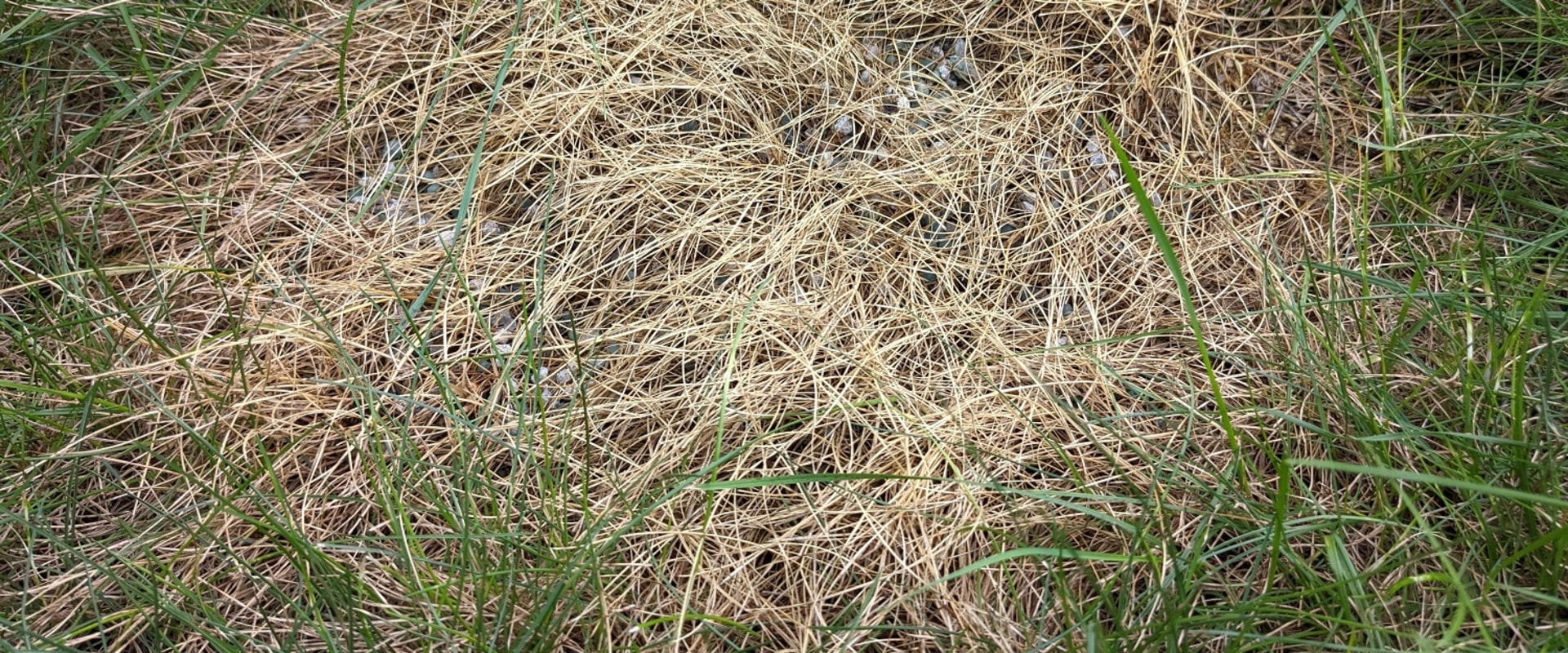
The effects of over-fertilization can be severe and often manifest in several ways:- Burnt Grass: One of the most immediate signs is the appearance of brown or burnt patches on the lawn.
This occurs when excess nitrogen causes the grass to grow too quickly, leading to root damage.
- Excessive Growth: While some growth is desirable, over-fertilized lawns may experience rapid and uneven growth, making them more susceptible to pests and diseases.
- Weed Proliferation: An abundance of nutrients can create an ideal environment for weeds to thrive, outcompeting your grass for resources.
- Environmental Impact: Over-fertilization can lead to nutrient runoff into nearby water sources, causing algal blooms that deplete oxygen levels and harm aquatic life.
Signs of Over-Fertilization on Your Lawn
Understanding the signs of over-fertilization is crucial for maintaining a healthy lawn. When a lawn receives too much fertilizer, it can lead to several detrimental effects that are often visible to the naked eye.1.Excessive Growth
One of the most noticeable symptoms of over-fertilization is rapid and excessive growth. While a healthy lawn should grow steadily, an over-fertilized lawn may exhibit an unnatural surge in growth, leading to tall, lush grass that requires frequent mowing.
2.Discoloration
Another key indicator is discoloration.
Over-fertilized grass may develop a dark green hue, which can be misleading. This vibrant color often indicates an excess of nitrogen, which can lead to other issues such as burning.
3.Leaf Burn
In severe cases, you may notice browning or burning tips on the grass blades. This occurs when the concentration of nutrients becomes too high, causing the grass to suffer from nutrient burn. If you see patches of brown grass amidst the green, it’s a clear sign that your lawn has been over-fertilized.
4.Weeds and Pests
An over-fertilized lawn can also become a breeding ground for weeds and pests.
The lush environment created by excess nutrients can attract unwanted weeds that thrive in such conditions, as well as insects that are drawn to the unhealthy growth patterns.
5.Soil Imbalance
Lastly, over-fertilization can lead to a nutrient imbalance in the soil. This imbalance can affect not only the grass but also the surrounding ecosystem, including beneficial microorganisms that help maintain soil health.By recognizing these symptoms of over-fertilization, homeowners can take proactive measures to restore their lawns to optimal health. Regular soil testing and adhering to recommended fertilization schedules are essential steps in preventing these issues.
Common Causes of Over-Fertilization
Understanding the common causes of over-fertilization is crucial for maintaining a healthy lawn. Many homeowners inadvertently apply too much fertilizer due to a variety of mistakes.Here are some of the most frequent culprits:
- Incorrect Application Rates: One of the primary reasons for over-fertilization is applying more fertilizer than recommended. Each type of fertilizer has specific guidelines regarding how much to use per square foot. Ignoring these guidelines can lead to excessive nutrient buildup.
- Timing Issues: The timing of fertilizer application plays a significant role in its effectiveness. Applying fertilizer during extreme weather conditions, such as high heat or heavy rain, can cause the nutrients to either evaporate or wash away, leading to uneven distribution and potential over-fertilization in certain areas.
- Using Fast-Release Fertilizers: Fast-release fertilizers provide nutrients quickly but can easily lead to over-fertilization if not monitored closely.
These fertilizers are best used when you can ensure regular watering and care, as they require precise timing to avoid nutrient spikes.
- Lack of Soil Testing: Failing to conduct a soil test before fertilizing can result in applying unnecessary nutrients. Soil tests provide valuable information about existing nutrient levels and pH balance, helping you determine the right amount of fertilizer needed.
How to Fix an Over-Fertilized Lawn
If you suspect that your lawn has been over-fertilized, taking immediate action is crucial to prevent long-term damage. Here are some effective recovery methods and lawn care tips to help restore your grass to its healthy state.1.Watering
One of the first steps in addressing an over-fertilized lawn is to water it thoroughly.This helps to dilute the excess nutrients in the soil and flush them away. Aim for at least 1 to 2 inches of water, either through rainfall or irrigation, over a few days. Be sure to check the soil moisture regularly to avoid overwatering.
2.Aeration
Aerating your lawn can also be beneficial. This process involves perforating the soil with holes to allow air, water, and nutrients to penetrate deeper into the root zone.Aeration can help alleviate compaction caused by excess fertilizer and promote healthier grass growth.
3.Topdressing
Applying a layer of organic compost or topsoil can help balance the nutrient levels in your lawn. This method not only improves soil structure but also introduces beneficial microorganisms that can aid in breaking down excess fertilizers.4.Mowing
Keep your grass at a higher mowing height during recovery. Taller grass blades can help shade the soil, reducing evaporation and stress on the roots. Additionally, avoid mowing too frequently until your lawn shows signs of recovery.5.Patience and Monitoring
Recovery from over-fertilization takes time.Monitor your lawn closely for signs of improvement, such as greener color and healthier growth patterns. If you notice persistent issues, consider consulting a lawn care professional for tailored advice.In summary, fixing an over-fertilized lawn involves a combination of watering, aeration, topdressing, and careful monitoring. By following these steps, you can help your lawn recover and thrive in the long run.
Preventing Over-Fertilization in the Future
To ensure a healthy lawn and prevent the pitfalls of over-fertilization, it is essential to adopt best practices for lawn fertilization. Here are some effective strategies:- Conduct Soil Testing: Before applying any fertilizer, perform a soil test to determine the nutrient levels and pH balance.
This will help you understand what your lawn truly needs and prevent unnecessary applications.
- Follow Recommended Guidelines: Adhere to the manufacturer’s instructions regarding the type and amount of fertilizer to use. Each product has specific guidelines based on the nutrient content, which should be followed closely.
- Use Slow-Release Fertilizers: Opt for slow-release fertilizers that provide nutrients gradually over time. This reduces the risk of nutrient spikes that can lead to over-fertilization.
- Apply Fertilizer at the Right Time: Timing is crucial in lawn maintenance. Fertilize during the growing season when your grass can effectively utilize the nutrients, typically in spring and early fall.
- Avoid Overlapping Applications: When applying fertilizer, ensure that you do not overlap areas.
This can lead to concentrated spots of nutrients, increasing the risk of over-fertilization.
Frequently Asked Questions about Lawn Fertilization and Over-Fertilization
When it comes to lawn fertilization, many homeowners have questions about the best practices and potential pitfalls, particularly regarding over-fertilization. Here are some frequently asked questions that can help clarify these concerns.What is over-fertilization?
Over-fertilization occurs when too much fertilizer is applied to the lawn, leading to nutrient imbalances and potential harm to the grass.This can result in a variety of issues, including burnt grass and increased susceptibility to pests and diseases.
What are the signs of over-fertilization?
- Burnt Grass: The most noticeable sign is the appearance of brown or yellow patches on the lawn, indicating that the grass is suffering from nutrient burn.
- Excessive Growth: While some growth is desirable, over-fertilized lawns may grow too quickly, leading to a need for more frequent mowing.
- Pest Infestation: An overabundance of nutrients can attract pests, making your lawn more vulnerable to infestations.
- Weed Proliferation: Over-fertilization can create an environment conducive to weeds, which may outcompete your grass for resources.
How can I prevent over-fertilization?
To avoid over-fertilization, consider the following tips:- Soil Testing: Conduct a soil test before applying fertilizer to determine the existing nutrient levels and pH balance.
- Follow Recommendations: Adhere to the recommended application rates provided on fertilizer packaging or by lawn care professionals.
- Timing: Fertilize during the appropriate seasons for your grass type, typically in spring and fall, to ensure optimal absorption.
Conclusion: Key Takeaways on Lawn Fertilization and Over-Fertilization Signs
Understanding the signs of over-fertilization is crucial for maintaining a healthy lawn. As we have discussed, excessive application of fertilizers can lead to a range of issues that not only affect the appearance of your grass but also its overall health. Here are the key takeaways regarding lawn fertilization and the signs of over-fertilization:- Yellowing Grass: One of the most common signs is the yellowing of grass blades, which indicates that the lawn is stressed due to nutrient overload.
- Burnt Tips: If you notice brown or burnt tips on your grass, this is a clear indication that the fertilizer has caused damage.
- Excessive Growth: While growth is generally a good sign, if your lawn is growing too quickly and requires frequent mowing, it may be a result of over-fertilization.
- Pest Attraction: Over-fertilized lawns can attract pests and diseases, as the lush growth creates an ideal environment for them to thrive.
- Soil Imbalance: Regularly testing your soil can help you identify nutrient imbalances caused by over-fertilization, allowing you to adjust your lawn care practices accordingly.
By being mindful of these factors, you can ensure that your lawn remains healthy and vibrant without falling victim to the adverse effects of over-fertilization.