Lawn fertilization is a crucial aspect of maintaining a vibrant and healthy lawn. It involves the application of essential nutrients to the soil, which in turn promotes robust grass growth and enhances the overall appearance of your outdoor space. Understanding lawn fertilization is key for homeowners and landscapers alike, as it directly impacts the health of your lawn and its ability to withstand environmental stressors. The primary purpose of lawn fertilization is to replenish the nutrients that grass needs to thrive. Just like any living organism, grass requires a balanced diet to grow strong and resist diseases.
Fertilizers typically contain three main nutrients: nitrogen, phosphorus, and potassium, each playing a vital role in plant health. Nitrogen encourages lush, green growth; phosphorus supports root development; and potassium helps with overall plant resilience. Without these nutrients, lawns can become weak, patchy, and susceptible to pests. Moreover, the benefits of lawn fertilization extend beyond mere aesthetics. A well-fertilized lawn can improve soil structure, enhance water retention, and promote biodiversity by providing a healthy habitat for beneficial organisms.
Additionally, regular fertilization can lead to reduced weed growth, as a thick and healthy lawn is better equipped to outcompete unwanted plants. In essence, understanding the importance of lawn fertilization not only contributes to a beautiful landscape but also fosters a sustainable environment for future generations.
The Benefits of Lawn Fertilization
Lawn fertilization is a crucial aspect of maintaining a healthy and vibrant lawn. By providing essential nutrients, it promotes improved growth and enhances the overall appearance of your grass. Here are some key benefits of lawn fertilization:- Enhanced Growth: Fertilizers supply vital nutrients such as nitrogen, phosphorus, and potassium, which are necessary for robust grass growth.
This leads to a denser and more lush lawn.
- Vibrant Color: A well-fertilized lawn exhibits a rich green color, indicating that it is healthy and thriving. This aesthetic appeal not only enhances your property’s curb appeal but also increases its value.
- Increased Resilience: Regular fertilization strengthens the grass, making it more resilient against pests, diseases, and environmental stressors such as drought or extreme temperatures. A strong lawn can better withstand these challenges, reducing the need for chemical treatments.
- Improved Soil Health: Fertilizers can also improve soil structure and fertility over time. Healthy soil supports beneficial microorganisms that contribute to nutrient cycling and overall soil health.
- Weed Suppression: A thick, healthy lawn can outcompete weeds for resources such as sunlight, water, and nutrients.
By fertilizing your lawn, you create an environment that discourages weed growth.
Key Nutrients in Lawn Fertilizers
Lawn fertilization is essential for maintaining a vibrant and healthy lawn, and understanding the key nutrients in lawn fertilizers can help homeowners make informed choices. The primary nutrients found in most lawn fertilizers are nitrogen, phosphorus, and potassium, commonly referred to as N-P-K.Nitrogen (N)
Nitrogen is crucial for promoting lush, green growth in grass.It plays a vital role in the process of photosynthesis, which allows plants to convert sunlight into energy. A nitrogen-rich fertilizer encourages rapid growth and enhances the overall color of the lawn. However, too much nitrogen can lead to excessive growth and increased susceptibility to pests and diseases.
Phosphorus (P)
Phosphorus is essential for root development and overall plant health. It aids in the formation of DNA and RNA, which are critical for cell division and growth.A healthy root system allows grass to absorb water and nutrients more effectively, leading to a more resilient lawn. Phosphorus is particularly important during the establishment phase of new grass or when overseeding an existing lawn.
Potassium (K)
Potassium helps strengthen grass against environmental stressors such as drought, disease, and extreme temperatures. It regulates various physiological processes within the plant, including water uptake and enzyme activation. A well-balanced potassium level ensures that grass can withstand challenging conditions while maintaining its vigor.In addition to these primary nutrients, many lawn fertilizers also contain secondary nutrients like calcium, magnesium, and sulfur, as well as micronutrients that support overall grass health.Understanding these components can help homeowners select the right fertilizer for their specific lawn needs.In summary, effective lawn fertilization hinges on the proper balance of nitrogen, phosphorus, and potassium. By ensuring that your lawn receives these essential nutrients, you can promote robust growth, enhance color, and improve resilience against environmental challenges.
When to Fertilize Your Lawn
Understanding when to fertilize your lawn is crucial for achieving a lush, green yard. The timing of your lawn fertilization efforts can significantly impact the health and appearance of your grass. Here’s a breakdown of the best times to fertilize your lawn throughout the year.Spring Fertilization
As temperatures begin to rise in early spring, your lawn starts to wake up from its winter dormancy.This is typically the best time for your first application of fertilizer. Aim to fertilize when the grass begins to grow actively, usually around late March to early April, depending on your region. A nitrogen-rich fertilizer will help promote vigorous growth and green color.
Summer Fertilization
During the hot summer months, your lawn may require additional nutrients to withstand heat stress. A second application of fertilizer can be beneficial, especially if you notice signs of nutrient deficiency, such as yellowing grass.Fertilizing in early summer (June) with a balanced fertilizer can help maintain health and resilience.
Fall Fertilization
Fall is arguably the most important time for lawn fertilization. As temperatures cool down, grass roots continue to grow, and a fall application helps prepare your lawn for winter. Fertilizing in September or October with a high-potassium fertilizer can enhance root development and improve cold tolerance.Winter Considerations
While most lawns do not require fertilization during winter, it’s essential to ensure that your lawn is healthy going into the colder months. A soil test can help determine if any amendments are needed before winter sets in.To summarize, a well-planned lawn fertilization schedule includes:- Early Spring: First application with nitrogen-rich fertilizer.
- Early Summer: Second application if needed for nutrient support.
- Fall: Final application with high-potassium fertilizer for winter preparation.
How to Choose the Right Fertilizer for Your Lawn
Choosing the right fertilizer for your lawn is crucial for promoting healthy growth and maintaining vibrant color.With various options available, understanding the specific needs of your lawn will help you make an informed decision.
Types of Lawn Fertilizers
- Granular Fertilizers: These are solid fertilizers that can be spread evenly across your lawn. They release nutrients slowly, providing a steady supply over time.
- Liquid Fertilizers: These fertilizers are mixed with water and applied directly to the grass. They offer quick nutrient absorption, making them ideal for immediate results.
- Slow-Release Fertilizers: Designed to release nutrients gradually, these fertilizers reduce the risk of nutrient runoff and provide long-lasting benefits.
- Quick-Release Fertilizers: These provide an immediate nutrient boost but require more frequent applications to maintain lawn health.
Organic vs Synthetic Fertilizers
When selecting a fertilizer, you may also consider whether to use organic or synthetic options:- Organic Fertilizers: Made from natural materials such as compost, manure, or bone meal, organic fertilizers improve soil health and promote beneficial microbial activity. They are generally safer for the environment and can enhance soil structure over time.
- Synthetic Fertilizers: These are chemically manufactured and often contain higher concentrations of nutrients.
They provide quick results but may lead to soil degradation if used excessively.
Application Methods for Lawn Fertilization
When it comes to lawn fertilization, the method of application can significantly impact the effectiveness of the fertilizer.Understanding how to apply lawn fertilizer properly ensures that your grass receives the nutrients it needs without causing harm.
Common Fertilizer Application Methods
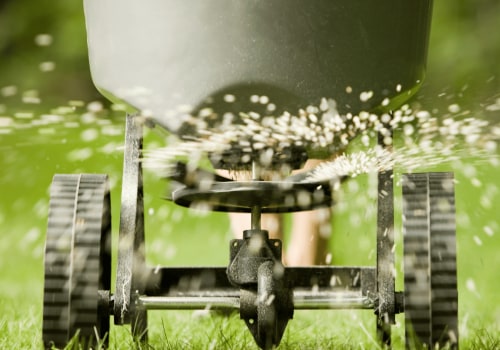
- Broadcast Spreading: This method involves using a broadcast spreader to evenly distribute granular fertilizer across the lawn. It’s ideal for large areas and allows for quick coverage.
- Drop Spreading: A drop spreader releases fertilizer directly below the spreader, making it perfect for precise applications along edges and flower beds. This method minimizes waste and ensures even distribution.
- Liquid Fertilizer Application: Liquid fertilizers can be applied using a sprayer or hose attachment. This method allows for quick absorption by the grass and is often used for quick fixes or during dry spells.
Best Practices for Fertilizing Grass
- Timing: Apply fertilizer during the growing season when grass is actively growing.
Early spring and fall are typically the best times for most grass types.
- Even Distribution: To avoid burning your lawn, ensure even distribution of fertilizer. Overlapping passes slightly while using a spreader can help achieve this.
- Watering: After applying fertilizer, water your lawn lightly to help the nutrients penetrate the soil. This also prevents potential burn from concentrated fertilizer granules.
- Avoiding Common Mistakes: Be cautious not to apply fertilizer on windy days, as this can lead to uneven application and potential runoff into unwanted areas.
Common Mistakes in Lawn Fertilization
Lawn fertilization is essential for maintaining a healthy and vibrant lawn, but many homeowners make common mistakes that can hinder their efforts. Understanding these pitfalls can help you achieve the lush green grass you desire.- Over-fertilizing grass: One of the most frequent errors is applying too much fertilizer.
This can lead to rapid growth, which may seem beneficial at first, but it often results in weak grass that is more susceptible to disease and pests. Additionally, excess fertilizer can cause nutrient runoff, harming local waterways. To avoid this, always follow the recommended application rates on the fertilizer package and consider using a spreader for even distribution.
- Under-fertilizing grass: On the flip side, under-fertilizing can leave your lawn lacking essential nutrients. This often leads to pale or yellowing grass and poor growth.
To prevent this mistake, conduct a soil test to determine nutrient levels and adjust your fertilization schedule accordingly. Regularly feeding your lawn during the growing season will ensure it receives adequate nutrition.
- Ignoring timing: Timing is crucial in lawn fertilization. Applying fertilizer at the wrong time can diminish its effectiveness. For cool-season grasses, early spring and fall are ideal times for fertilization, while warm-season grasses benefit from feeding in late spring and summer.
Always check local guidelines for optimal timing based on your specific grass type.
- Neglecting to water: Fertilizer needs moisture to activate and be absorbed by the grass roots. Failing to water after application can lead to fertilizer burn or ineffective nutrient uptake. Ensure you water your lawn adequately after fertilization to promote healthy growth.
Environmental Impact of Lawn Fertilization
Lawn fertilization plays a crucial role in maintaining healthy grass, but it also has significant environmental effects that must be considered.The use of synthetic fertilizers can lead to nutrient runoff, which contaminates local waterways and disrupts aquatic ecosystems. This runoff often contains nitrogen and phosphorus, which can cause algal blooms, depleting oxygen levels in the water and harming fish and other aquatic life.To mitigate these negative impacts, adopting sustainable lawn care practices is essential. Here are some strategies to consider:
- Soil Testing: Before applying any fertilizer, conduct a soil test to determine nutrient needs. This helps avoid over-fertilization and ensures that only the necessary nutrients are added.
- Organic Fertilizers: Opt for eco-friendly fertilizers, such as compost or manure, which release nutrients slowly and improve soil health without the harsh chemicals found in synthetic options.
- Timing of Application: Apply fertilizers during the growing season when grass can effectively utilize the nutrients.
Avoid fertilizing before heavy rain to reduce runoff.
- Buffer Zones: Create buffer zones with native plants around water bodies to absorb excess nutrients before they reach the water.
FAQs About Lawn Fertilization
When it comes to lawn fertilization, many homeowners have questions about the best practices and timing. Here are some of the most common FAQs:- How often should I fertilize my lawn?The frequency of lawn fertilization depends on several factors, including the type of grass, soil quality, and climate. Generally, it is recommended to fertilize your lawn at least twice a year: once in the spring and once in the fall.
However, some lawns may benefit from additional applications during the growing season.
- What type of fertilizer should I use?There are various types of fertilizers available, including synthetic and organic options. Synthetic fertilizers provide quick nutrients but can lead to runoff and environmental concerns. Organic fertilizers release nutrients slowly and improve soil health over time. Choose a fertilizer that matches your lawn's specific needs.
- Can I fertilize my lawn in the winter?Fertilizing in winter is generally not recommended as grass is dormant during this time.
However, applying a winterizer fertilizer in late fall can help prepare your lawn for spring growth by providing essential nutrients that support root development.
- Is it necessary to water after fertilizing?Yes, watering your lawn after applying fertilizer is crucial. It helps activate the nutrients and ensures they penetrate the soil effectively. Aim to water your lawn lightly after fertilization to avoid runoff.
- What signs indicate my lawn needs fertilization?Look for signs such as yellowing grass, slow growth, or bare patches. If your lawn appears unhealthy or lacks vibrancy, it may be time for a fertilization treatment.
Conclusion: The Importance of Regular Lawn Fertilization
In conclusion, lawn fertilization is a critical component of maintaining a vibrant and healthy yard.Throughout this article, we have explored the numerous benefits that come from regular fertilization practices, emphasizing how they contribute to the overall health of your lawn. One of the primary reasons for consistent lawn fertilization is its role in providing essential nutrients that grass needs to thrive. These nutrients, including nitrogen, phosphorus, and potassium, are vital for promoting growth, enhancing color, and improving resilience against pests and diseases. Without adequate fertilization, lawns can become weak and susceptible to various environmental stresses. Moreover, regular fertilization helps in:
- Improving Soil Health: Fertilizers can enhance soil structure and promote beneficial microbial activity.
- Encouraging Root Development: A well-fertilized lawn develops deeper roots, which can access water and nutrients more effectively.
- Enhancing Aesthetic Appeal: A lush, green lawn not only looks appealing but also increases property value.
A well-fertilized lawn not only enhances your outdoor space but also contributes positively to the environment by improving air quality and supporting local ecosystems. Therefore, make lawn fertilization a priority in your yard care routine for a thriving landscape.