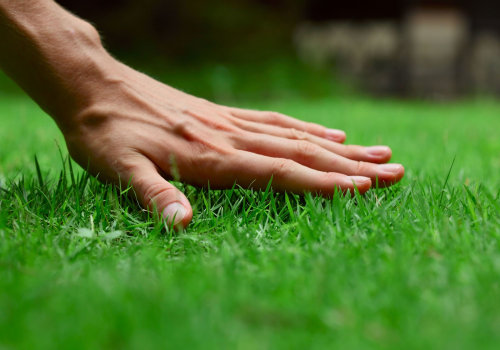
Lawn fertilization is a crucial aspect of maintaining a vibrant and healthy lawn. It involves the application of nutrients that are essential for grass growth, helping to create a lush, green landscape that enhances the overall aesthetic of your property. Understanding the importance of lawn fertilization goes beyond just aesthetics; it plays a significant role in promoting soil health, improving drought resistance, and preventing weed growth. A well-fertilized lawn can withstand environmental stresses better, making it more resilient throughout the changing seasons. The benefits of lawn fertilizers are manifold.
They not only provide essential nutrients like nitrogen, phosphorus, and potassium but also improve soil structure and microbial activity. This leads to better water retention and nutrient absorption, which are vital for grass health. Moreover, regular fertilization can help in achieving a thicker turf that naturally suppresses weeds and pests, reducing the need for chemical treatments. By investing in proper lawn fertilization practices, homeowners can enjoy a lush green space that serves as a perfect backdrop for outdoor activities and relaxation. As we delve deeper into the various types of lawn fertilizers available, it’s important to recognize that each type serves a specific purpose and can cater to different lawn needs.
Whether you’re looking for quick-release options for immediate results or slow-release fertilizers for long-term nourishment, understanding these differences will empower you to make informed decisions that will benefit your lawn in the long run.
Types of Lawn Fertilizers
When it comes to lawn fertilization, understanding the different types of fertilizers available is crucial for achieving a lush, green lawn. Fertilizers can be broadly categorized into two main types: organic and synthetic.Organic Fertilizers
Organic fertilizers are derived from natural sources, such as plant or animal matter. They improve soil health by enhancing its structure and promoting beneficial microbial activity. Common examples include:- Compost: Decomposed organic matter that enriches the soil.
- Manure: Animal waste that provides essential nutrients.
- Bone meal: A source of phosphorus that supports root development.
- Fish emulsion: A liquid fertilizer rich in nitrogen.
Synthetic Fertilizers
Synthetic fertilizers, on the other hand, are chemically manufactured and provide nutrients in a more concentrated form.They are often faster-acting than organic options, making them suitable for quick fixes. Common types include:
- Nitrogen fertilizers: Such as urea or ammonium nitrate, which promote leafy growth.
- Phosphorus fertilizers: Like superphosphate, which aids in root development and flowering.
- Potassium fertilizers: Such as potassium sulfate, which enhances overall plant health and disease resistance.
Granular vs Liquid Fertilizers
Lawn fertilizers also come in two primary forms: granular and liquid.- Granular fertilizers: These are solid particles that can be spread evenly across the lawn. They are typically slow-release, providing nutrients over time and requiring less frequent application.
- Liquid fertilizers: These are dissolved in water and can be applied using a sprayer. They offer quick nutrient absorption but may require more frequent applications to maintain nutrient levels.
Understanding these categories will help you make informed decisions for effective lawn care.
Organic Lawn Fertilizers
When it comes to lawn fertilization, organic lawn fertilizers have gained popularity among homeowners and landscapers alike. These fertilizers are derived from natural sources, making them a sustainable choice for maintaining healthy lawns.Benefits of Organic Fertilizers
Organic lawn fertilizers offer numerous advantages:- Improved Soil Health: They enhance soil structure and promote beneficial microbial activity, which is essential for nutrient absorption.
- Environmental Safety: Being free from synthetic chemicals, organic fertilizers reduce the risk of water contamination and are safer for pets and children.
- Slow Release of Nutrients: Organic fertilizers release nutrients gradually, providing a steady supply that supports long-term lawn health.
- Enhanced Nutrient Retention: They improve the soil's ability to retain moisture and nutrients, reducing the need for frequent applications.
Examples of Organic Fertilizers
There are several types of organic fertilizers available, each with unique properties:- Compost: Decomposed organic matter that enriches the soil with nutrients and improves its structure.
- Manure: Animal waste that provides a rich source of nitrogen, phosphorus, and potassium, essential for lawn growth.
- Bone Meal: A slow-release source of phosphorus that promotes root development and flowering.
- Fish Emulsion: A liquid fertilizer made from fish byproducts, high in nitrogen and beneficial for overall plant health.
- Kelp Meal: Derived from seaweed, it contains trace minerals and growth hormones that stimulate plant growth.
Synthetic Lawn Fertilizers
Synthetic lawn fertilizers are man-made products designed to provide essential nutrients to grass and other plants. These fertilizers typically contain a mix of nitrogen, phosphorus, and potassium (N-P-K), which are crucial for promoting healthy growth and vibrant color in lawns.One of the primary advantages of synthetic fertilizers is their quick-release properties.Unlike organic options, which may take time to break down and release nutrients, synthetic fertilizers can deliver immediate results. This makes them particularly appealing for homeowners looking to achieve a lush, green lawn in a short period.
Common Types of Synthetic Lawn Fertilizers
- Granular Fertilizers: These are solid particles that can be spread evenly across the lawn. They often come in slow-release formulations, providing nutrients over an extended period.
- Liquid Fertilizers: These are concentrated solutions that can be mixed with water and applied using a sprayer. They offer rapid absorption by grass roots.
- Slow-Release Fertilizers: Designed to release nutrients gradually, these fertilizers help maintain consistent nutrient levels in the soil over time.
Overuse can lead to nutrient runoff, which may harm local waterways and ecosystems. Additionally, reliance on synthetic options can deplete soil health over time, as they do not contribute organic matter like their natural counterparts.In conclusion, while synthetic lawn fertilization offers quick results and convenience, it is essential for homeowners to consider both the advantages and potential environmental impacts when choosing the right fertilizer for their lawns.
Granular vs. Liquid Fertilizers
When it comes to lawn fertilization, one of the primary decisions homeowners face is choosing between granular and liquid fertilizers. Each type has its own unique characteristics, advantages, and application methods that can significantly impact the health and appearance of your lawn.Granular Fertilizers
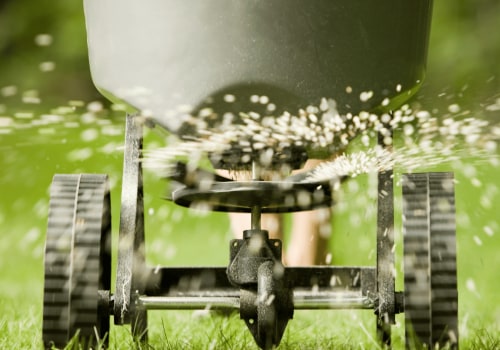
Granular fertilizers are solid particles that can be spread over the lawn using a broadcast spreader.They are often slow-release, providing nutrients over an extended period. This slow release can be beneficial for maintaining consistent nutrient levels in the soil.
- Advantages:
- Ease of Application: Granular fertilizers are straightforward to apply and require less frequent applications compared to liquids.
- Long-lasting Effects: The slow-release nature means that nutrients are available to the grass over several weeks or even months.
- Less Risk of Leaching: Granular forms are less likely to wash away with rain or irrigation, ensuring that nutrients stay in the soil longer.
Liquid Fertilizers
Liquid fertilizers, on the other hand, are typically mixed with water and applied using a sprayer. They provide a quick nutrient boost, making them ideal for immediate results.- Advantages:
- Rapid Absorption: Liquid fertilizers are absorbed quickly by grass blades and roots, leading to faster greening and growth.
- Precise Application: They allow for more targeted application, which can be beneficial for addressing specific nutrient deficiencies in certain areas of the lawn.
- Flexibility: Liquid fertilizers can be used in conjunction with other treatments, such as herbicides or pesticides, making them versatile for comprehensive lawn care.
Understanding these differences will help you make informed decisions for effective lawn fertilization.
Slow-Release vs. Fast-Release Fertilizers
When it comes to lawn fertilization, understanding the differences between slow-release and fast-release fertilizers is crucial for achieving optimal lawn health. Each type has its own unique characteristics, benefits, and ideal applications.Slow-Release Fertilizers
Slow-release fertilizers, also known as controlled-release fertilizers, gradually release nutrients over an extended period, typically ranging from several weeks to months. This slow nutrient release aligns with the natural growth cycles of grass, providing a steady supply of essential elements such as nitrogen, phosphorus, and potassium.- Benefits:
- Reduces the risk of nutrient leaching into water sources.
- Minimizes the frequency of application needed.
- Promotes healthier root development and overall lawn resilience.
Fast-Release Fertilizers
Fast-release fertilizers, on the other hand, provide a quick burst of nutrients that are readily available to the grass.These fertilizers are often used for immediate greening effects or to address specific nutrient deficiencies in the lawn.
- Benefits:
- Quickly improves the appearance of the lawn.
- Ideal for use during periods of rapid growth or recovery.
- Easily adjustable application rates based on immediate needs.
Key Differences
The primary difference between slow-release and fast-release fertilizers lies in their nutrient availability and timing:- Nutrient Release: Slow-release fertilizers provide a gradual supply of nutrients, while fast-release fertilizers deliver an immediate boost.
- Application Frequency: Slow-release options require less frequent applications compared to fast-release types, which may need to be reapplied more often to maintain nutrient levels.
- Lawn Growth Impact: Slow-release fertilizers support long-term growth and health, whereas fast-release fertilizers can lead to rapid but short-lived improvements in lawn appearance.
How to Choose the Right Fertilizer for Your Lawn
Choosing the right fertilizer for your lawn is crucial for achieving a lush, green landscape.Several factors come into play when selecting the appropriate product, including your lawn type, soil conditions, and specific nutrient needs.
Factors to Consider When Selecting Fertilizer
- Lawn Type: Different grass types have varying nutrient requirements. For instance, cool-season grasses like Kentucky bluegrass thrive with higher nitrogen levels in the spring and fall, while warm-season grasses such as Bermuda grass benefit from a balanced fertilizer during the summer months.
- Soil Conditions: Conducting a soil test is essential to understand the pH level and nutrient content of your soil. This information helps you choose a fertilizer that addresses specific deficiencies. For example, if your soil is low in phosphorus, look for a fertilizer with a higher middle number in the N-P-K ratio.
- Seasonal Needs: The time of year also influences fertilizer choice.
Early spring applications typically focus on nitrogen to promote growth, while late summer or fall applications may require more potassium to strengthen roots for winter.
Soil Testing for Fertilizer Selection
Before purchasing any fertilizer, it’s wise to perform a soil test. This process involves collecting samples from various areas of your lawn and sending them to a lab for analysis. The results will indicate nutrient levels and pH balance, guiding you in selecting a fertilizer that meets your lawn's specific needs.In summary, understanding your lawn's unique requirements through careful consideration of its type, soil conditions, and seasonal needs will lead you to the right fertilizer choice. This tailored approach not only enhances the health of your lawn but also promotes sustainable lawn care practices.Common Misconceptions About Lawn Fertilization
When it comes to lawn fertilization, many homeowners are often misled by common myths that can hinder their lawn care efforts.Understanding these misconceptions is crucial for achieving a healthy and vibrant lawn.
- Myth 1: More Fertilizer Equals a Greener Lawn
Many believe that applying more fertilizer will result in a lusher lawn. In reality, over-fertilization can lead to nutrient runoff, harming the environment and potentially damaging your grass. - Myth 2: Fertilizing in the Fall is Unnecessary
Some homeowners think that fertilization is only needed in the spring. However, fall fertilization is essential as it helps grass recover from summer stress and prepares it for winter dormancy. - Myth 3: All Fertilizers are the Same
Not all fertilizers provide the same nutrients. Understanding the differences between synthetic and organic fertilizers, as well as their N-P-K ratios, is vital for selecting the right product for your lawn's specific needs. - Myth 4: You Can Skip Soil Testing
Many people assume they can apply fertilizer without testing their soil first.Soil testing is crucial as it reveals nutrient deficiencies and pH levels, allowing for more targeted and effective fertilization.
Frequently Asked Questions About Lawn Fertilizers
When it comes to lawn fertilization, many homeowners have questions about the best practices and products to use. Here are some of the most frequently asked questions regarding lawn fertilizers:What is the best time to fertilize my lawn?
The optimal time for lawn fertilization largely depends on your grass type. For cool-season grasses, early spring and fall are ideal, while warm-season grasses benefit from fertilization in late spring and summer.Always check local guidelines for specific timing based on your region.
How often should I apply fertilizer?
Generally, lawns should be fertilized two to four times a year, depending on the type of fertilizer used and the specific needs of your grass. A soil test can help determine the right frequency and amount of fertilizer needed.What are the different types of lawn fertilizers?
- Granular Fertilizers: These are solid fertilizers that can be spread over the lawn. They release nutrients slowly, making them ideal for long-term feeding.
- Liquid Fertilizers: These fertilizers are mixed with water and applied directly to the grass. They provide quick nutrient absorption but may require more frequent applications.
- Organic Fertilizers: Made from natural materials, these fertilizers improve soil health over time and are less likely to harm the environment.
- Synthetic Fertilizers: These are chemically formulated to provide specific nutrient ratios and often deliver immediate results.
Can I use too much fertilizer?
Yes, over-fertilizing can lead to nutrient runoff, which can harm local waterways, and may also damage your lawn by causing burning or excessive growth.Always follow the recommended application rates on the product label.
What should I do if my lawn is not responding to fertilizer?
If your lawn shows little improvement after fertilization, consider conducting a soil test to check for pH imbalances or nutrient deficiencies. Additionally, ensure that you are watering properly and that your lawn is receiving adequate sunlight.By understanding these common questions about lawn care products, you can make informed decisions that will lead to a healthier, greener lawn.Conclusion: Nurturing Your Lawn with the Right Fertilizer Choices
In conclusion, understanding the various types of lawn fertilizers is essential for achieving a lush, healthy lawn. Each type of fertilizer offers unique benefits and is suited for different lawn care needs. By selecting the right fertilizer, you can ensure that your lawn receives the necessary nutrients to thrive. As we discussed, there are primarily three categories of fertilizers: synthetic , organic , and slow-release.Each has its own advantages:
- Synthetic fertilizers provide quick nutrient availability, making them ideal for immediate results.
- Organic fertilizers improve soil health over time and promote sustainable lawn care practices.
- Slow-release fertilizers offer a steady supply of nutrients, reducing the risk of over-fertilization and promoting long-term growth.