Lawn fertilization is a crucial aspect of maintaining a healthy and vibrant lawn. It involves the application of nutrients to the soil to promote growth, enhance color, and improve overall resilience against pests and diseases. Understanding the fundamentals of lawn fertilization is essential for any homeowner looking to achieve a lush, green landscape. Without proper fertilization, lawns can become weak, discolored, and susceptible to various environmental stresses. The importance of lawn fertilization cannot be overstated.
Just like any other living organism, grass requires a balanced diet to thrive. Essential nutrients such as nitrogen, phosphorus, and potassium play significant roles in the growth process. Nitrogen encourages lush foliage, phosphorus supports root development, and potassium enhances drought resistance and disease tolerance. By providing these nutrients through effective fertilization practices, homeowners can ensure their lawns remain healthy and attractive throughout the seasons. As we delve deeper into the topic of lawn fertilization, it’s important to consider the various options available, including natural and organic fertilizers.
These alternatives not only nourish the grass but also contribute positively to the environment by reducing chemical runoff and promoting soil health. In the following sections, we will explore how these organic options can be effectively utilized in your lawn care routine, ensuring that your outdoor space remains both beautiful and sustainable.
What Are Natural and Organic Fertilizers?
When it comes to lawn fertilization, understanding the difference between natural and organic fertilizers is crucial for making informed choices. Both types are derived from natural sources, but they have distinct characteristics that set them apart from synthetic fertilizers.Natural fertilizers
are materials that come from natural sources, including plant and animal byproducts. They can be either organic or inorganic.For instance, bone meal and fish emulsion are considered natural fertilizers because they originate from natural processes, but they may not meet the strict criteria for organic certification.
Organic fertilizers
, on the other hand, are a subset of natural fertilizers that are derived exclusively from plant or animal matter and are free from synthetic chemicals. These fertilizers undergo minimal processing and are often certified by organizations that ensure they meet specific organic standards. Common examples include:- Compost: Decomposed organic matter that enriches soil with nutrients.
- Manure: Animal waste that provides essential nutrients like nitrogen, phosphorus, and potassium.
- Bone meal: A slow-release source of phosphorus made from ground animal bones.
- Fish emulsion: A liquid fertilizer made from fish byproducts, rich in nitrogen.
- Kelp meal: Derived from seaweed, it contains trace minerals beneficial for plant growth.
By opting for natural or organic options, you can enhance soil health while minimizing the impact on local ecosystems.
Benefits of Using Natural and Organic Fertilizers on Your Lawn
Using natural and organic fertilizers on your lawn offers a multitude of benefits that contribute to both the health of your grass and the environment. Unlike synthetic fertilizers, which can lead to soil degradation and water pollution, organic options promote a sustainable approach to lawn care.Environmental Impact
One of the most significant advantages of using organic fertilizers is their positive impact on the environment. These fertilizers are derived from natural sources, such as plant materials, animal manure, and compost. This means they are biodegradable and less likely to leach harmful chemicals into the soil and waterways.By choosing organic, you are not only nourishing your lawn but also protecting local ecosystems.
Soil Health Improvement
Organic fertilizers enhance soil health by improving its structure and increasing its microbial activity. The nutrients in these fertilizers are released slowly, providing a steady supply of nourishment to your grass over time. This slow-release mechanism helps prevent nutrient runoff and ensures that your lawn receives consistent care. Additionally, organic matter from these fertilizers helps retain moisture in the soil, reducing the need for frequent watering.Lawn Vitality
When you use natural fertilizers, you promote long-term vitality in your lawn.Healthy soil leads to robust grass that can better withstand pests, diseases, and environmental stressors. Organic fertilizers also encourage deep root growth, which is essential for drought resistance and overall lawn resilience. As a result, your lawn will not only look lush and green but will also be more sustainable in the face of changing weather conditions.
- Improved Soil Structure: Enhances aeration and drainage.
- Increased Microbial Activity: Supports beneficial organisms that aid in nutrient absorption.
- Sustainable Growth: Promotes a self-sustaining ecosystem within your lawn.
- Reduced Chemical Dependency: Lowers the risk of chemical burns and toxicity.
How to Choose the Right Natural or Organic Fertilizer for Your Lawn
Choosing the right natural or organic fertilizer for your lawn involves understanding your specific lawn needs, soil conditions, and the type of grass you have.Here are some key factors to consider:
- Soil Testing: Before selecting a fertilizer, conduct a soil test to determine nutrient levels and pH. This will help you identify any deficiencies that need to be addressed.
- Grass Type: Different grass types have varying nutrient requirements. For instance, cool-season grasses like Kentucky bluegrass thrive with higher nitrogen levels, while warm-season grasses such as Bermuda grass may require more potassium.
- Organic Matter Content: If your soil is low in organic matter, consider using fertilizers that are rich in compost or well-rotted manure. These not only provide nutrients but also improve soil structure.
- Compost: A great all-around option that enriches the soil and promotes healthy microbial activity.
- Bone Meal: High in phosphorus, it supports root development and flowering.
- Fish Emulsion: A liquid fertilizer that provides a quick nutrient boost, particularly nitrogen.
- Kelp Meal: Rich in trace minerals and growth hormones, it enhances overall plant health.
Additionally, consider the application method; some fertilizers are best applied in granular form, while others work effectively as liquids. Timing is also crucial; applying fertilizers during the growing season will yield the best results.By taking these factors into account, you can make an informed decision on the right natural or organic fertilizer for your lawn, ensuring it remains healthy and vibrant throughout the year.
Application Methods for Natural and Organic Fertilizers
When it comes to lawn fertilization using natural and organic fertilizers, understanding the right application methods is crucial for achieving optimal results. Here are some effective techniques to consider:Application Techniques
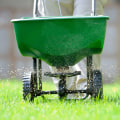
- Broadcast Spreading: This method involves evenly distributing the fertilizer over the lawn using a broadcast spreader. It’s ideal for granular organic fertilizers and ensures uniform coverage.
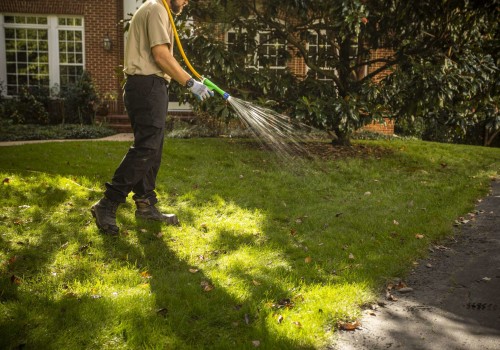
- Liquid Application: For liquid organic fertilizers, use a sprayer to apply the solution directly onto the grass.
This method allows for quick absorption and is particularly effective during the growing season.
- Top Dressing: This technique involves spreading a thin layer of compost or organic matter over the lawn. It not only provides nutrients but also improves soil structure and moisture retention.
Timing for Fertilizer Application
The timing of your fertilizer application can significantly impact its effectiveness. Here are some guidelines:- Spring Application: Apply organic fertilizers in early spring as the grass begins to grow. This helps kickstart growth after winter dormancy.
- Fall Application: A second application in the fall can help prepare your lawn for winter and promote root development.
- Avoiding Rainy Days: Try to apply fertilizers on dry days to prevent runoff and ensure that nutrients are absorbed into the soil.
Most lawns benefit from two to four applications of organic fertilizer per year, depending on soil health and grass type. Always follow the manufacturer’s instructions for specific products to avoid over-fertilization, which can harm your lawn.By employing these application methods and timing strategies, you can effectively utilize natural and organic fertilizers to enhance your lawn's health and appearance.
Common Myths About Natural and Organic Lawn Fertilization
When it comes to lawn fertilization, many homeowners are often misled by common myths surrounding natural and organic fertilizers. Understanding these misconceptions is crucial for making informed decisions about lawn care.- Myth 1: Organic fertilizers are less effective than synthetic ones. This is a prevalent belief, but it overlooks the fact that organic fertilizers release nutrients slowly, providing a steady supply over time. While synthetic fertilizers may offer quick results, they can lead to nutrient runoff and soil degradation.
- Myth 2: Natural fertilizers take too long to work. While it's true that organic options may not provide instant results, their gradual nutrient release promotes healthier soil and grass in the long run.
This slow-release mechanism helps prevent nutrient leaching and supports sustainable growth.
- Myth 3: Organic fertilizers are too expensive. Although some organic products may have a higher upfront cost, they often require less frequent application and improve soil health, leading to cost savings over time. Investing in quality organic fertilizers can yield a lush lawn without the need for constant reapplication.
- Myth 4: All natural fertilizers are the same. Not all organic fertilizers are created equal. It's essential to research and choose products that suit your specific lawn needs. Some may be high in nitrogen, while others focus on phosphorus or potassium, so understanding your soil's requirements is key.
Embracing these options not only benefits your lawn but also contributes positively to the environment.
Frequently Asked Questions About Lawn Fertilization with Natural Products
When considering lawn fertilization with natural or organic products, many homeowners have questions. Here are some of the most frequently asked questions:1.What are natural fertilizers?
Natural fertilizers are derived from organic sources such as plant materials, animal manure, and compost. Unlike synthetic fertilizers, they release nutrients slowly, improving soil health over time.2.Are organic fertilizers effective for lawn care?
Yes, organic fertilizers can be very effective for lawn care. They not only provide essential nutrients but also enhance soil structure and promote beneficial microbial activity, leading to a healthier lawn.3.How often should I apply natural fertilizers?
The frequency of application depends on the type of natural fertilizer used and the specific needs of your lawn.Generally, applying organic fertilizers every 6 to 8 weeks during the growing season is recommended.
4.Can I use natural fertilizers on all types of grass?
Most natural fertilizers are suitable for various grass types, including cool-season and warm-season grasses. However, it’s important to check the specific nutrient requirements of your grass type to ensure optimal growth.5.Are there any downsides to using organic fertilizers?
While organic fertilizers are beneficial, they may require more frequent applications compared to synthetic options due to their slower nutrient release. Additionally, some organic products can have a strong odor.6.How do I know if my lawn needs fertilization?
Signs that your lawn may need fertilization include yellowing grass, slow growth, and poor color. Conducting a soil test can also help determine nutrient deficiencies. By addressing these common questions about natural fertilizers, homeowners can make informed decisions that promote a lush and healthy lawn while being environmentally conscious.Conclusion: Embracing Natural Fertilization for a Greener Lawn
In conclusion, embracing natural and organic fertilizers for your lawn not only promotes a healthier environment but also enhances the overall quality of your grass.As we have explored, these fertilizers provide essential nutrients without the harmful chemicals often found in synthetic options. By choosing natural alternatives, you are making a conscious decision to support biodiversity and soil health.Here are some key benefits of using natural fertilizers:
- Improved Soil Structure: Organic fertilizers improve soil aeration and water retention, leading to a more robust root system.
- Long-Lasting Nutrients: Unlike synthetic fertilizers that offer quick fixes, organic options release nutrients slowly, ensuring your lawn receives a steady supply over time.
- Environmental Safety: Natural fertilizers reduce the risk of water pollution and harm to local wildlife, making them a safer choice for your garden and surrounding ecosystems.
- Enhanced Microbial Activity: Organic options promote beneficial microorganisms in the soil, which play a crucial role in nutrient cycling and plant health.
By prioritizing lawn fertilization methods that are kind to the earth, you can enjoy a vibrant lawn while being a responsible steward of the environment.